How to Prevent Mold in Toilet Bowl: Practical Guide
Learn how to prevent mold in toilet bowl with simple moisture control, cleaning routines, and maintenance tips. Mold Removal Lab shares practical steps for a safer bathroom.


By controlling moisture and routine cleaning, you can prevent mold in the toilet bowl. This guide explains practical steps—ventilation improvements, regular scrubbing with non-toxic cleaners, seal checks, and thorough drying—that reduce damp conditions and discourage mold growth. Learn why moisture matters, what tools you need, and an 8-step routine you can tailor to your home for consistent results.
Understanding Mold Risk in Bathroom Fixtures
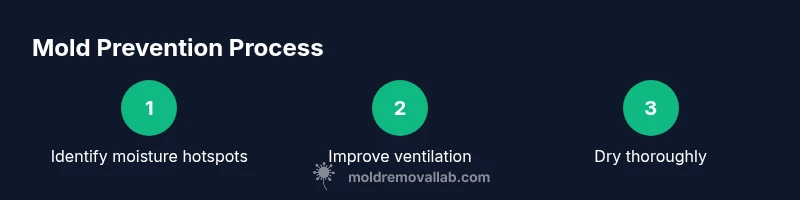
Even in small bathrooms, mold often starts where moisture lingers. According to Mold Removal Lab, moisture control is the single most important factor in preventing mold in toilet bowl and surrounding surfaces. Bathrooms present constant humidity, warm temperatures, and occasional splashes that create microhabitats ideal for mold spores to settle and multiply. When you understand how mold originates, you can interrupt its cycle with practical routines. Start by identifying moisture hotspots near the toilet—joint seals, the base caulking, the flush valve, and the pipe fittings. These areas are prone to leaks or condensate buildup if ventilation is weak. Use a moisture meter or simple indicators like persistent damp patches to confirm problem spots. By marrying good airflow with quick-drying practices, you reduce the time mold spores have to colonize surfaces.
Daily Maintenance Routines to Prevent Mold
Based on Mold Removal Lab analysis, consistent moisture control is far more effective than sporadic deep cleans. Establish a simple daily routine: run the exhaust fan during and after bathroom use, open a window if you can, and wipe down the bowl rim and surrounding tiles. After flushing, dry the inner rim with a microfiber cloth and let the area air-dry for a few minutes. Keep humid micro-environments from forming by removing standing water and ensuring the floor and baseboard areas stay dry. Add a quick 60-second check of seals and caulk each week. These small actions compound over time and dramatically lower mold risk.
Cleaning Methods that Tackle Mold Safely
Use non-toxic cleaners when possible to protect your plumbing and your health. White vinegar is effective for light mold on porcelain, while hydrogen peroxide helps with tougher spots. Sprinkle baking soda on stubborn areas to add gentle abrasion and deodorize. When applying cleaners, avoid mixing chemicals and always provide adequate ventilation. Let any solution sit for 5–10 minutes before scrubbing, then rinse and dry completely. For hard-to-reach corners under the rim, use a small brush to dislodge mold and rinse away residual debris.
Sealing Leaks and Fixing Fixtures
Mold thrives where leaks and persistent dampness occur. Inspect the toilet base and surrounding caulk for cracks or gaps; replace compromised sealant with a high-quality bathroom-grade caulk. Check the flush valve and supply lines for slow leaks that continuously wet the area. If you notice recurring damp patches along the base, address the source promptly—this is usually a sign the seal needs reworking. Proper sealing not only stops water intrusion but also makes routine cleaning more effective by eliminating hidden pockets where mold hides.
When to Call a Professional
If you clean and dry consistently but mold persists, or if you notice hidden mold behind walls or beneath flooring, it’s time to consult a licensed mold remediation professional. Persistent mold can indicate structural moisture problems or hidden leaks that require specialized assessment. A pro can identify moisture migration paths, rehouse or restore damaged areas, and provide a remediation plan that protects your health and home.
A Simple 4-Week Maintenance Plan to Prevent Long-Term Mold
Week 1: Conduct a thorough inspection of seals, caulk, and drainage; note any damp patches. Week 2: Implement daily moisture control (ventilation after use, wipe-down, drying). Week 3: Deep clean interior surfaces with non-toxic cleaners and re-check for signs of mold. Week 4: Schedule a brief check of seal integrity and ventilation performance to catch issues early. By repeating this cycle, you build a durable defense against mold growth and keep the toilet bowl hygienic for months to come.
Quick Reference Checklist for a Mold-Free Toilet Bowl
- Ventilate after use and dry surfaces thoroughly
- Clean interior surfaces weekly with non-toxic cleaners
- Inspect caulk and seals for cracks and reseal as needed
- Avoid mixing cleaners; use vinegar or hydrogen peroxide safely
- Seek professional help if mold persists or you smell a musty odor
Tools & Materials
- Non-toxic bathroom cleaner(Choose a product labeled safe for porcelain and septic systems)
- White vinegar(Use undiluted or diluted for light mold)
- Hydrogen peroxide (3%)(For tougher spots; avoid mixing with vinegar)
- Baking soda(Deodorizes and adds mild abrasion)
- Microfiber cloths(For drying and gentle scrubbing)
- Toilet brush(Clean interior bowl and under rim)
- Gloves(Protect hands during cleaning)
- Moisture meter (optional)(Helps identify damp spots)
- Caulk or bathroom-grade sealant(Use if base seals show wear)
- Ventilation solution (exhaust fan or window)(Ensure continuous air exchange)
Steps
Estimated time: 60-90 minutes
- 1
Inspect hotspots
Begin with a quick visual check around the toilet. Look for damp patches on caulk, floor seams, and the base. If you see moisture indicators or warm, humid air, note the area for priority cleaning and sealing.
Tip: Document problem spots with photos to track changes over time. - 2
Boost ventilation
Turn on the bathroom exhaust fan or open a window. Run ventilation for at least 15 minutes after bathroom use to reduce humidity and slow mold growth.
Tip: If you rely on a fan, consider upgrading to a higher-CFM unit for better air exchange. - 3
Prep cleaning area
Clear the area around the toilet and wear gloves. Put down towels to absorb drips and prepare your cleaning agents in reach to minimize time exposed to moisture.
Tip: Ventilate the space while you work to limit airborne mold spores. - 4
Scrub interior
Apply a non-toxic cleaner or vinegar solution to the bowl interior. Scrub thoroughly with a toilet brush, paying attention to under-the-rim areas where mold hides.
Tip: Let the solution sit for 5–10 minutes before scrubbing for better effectiveness. - 5
Treat mold-prone areas
Apply hydrogen peroxide to stubborn spots around the rim and under the lip. Rinse with clean water and dry completely.
Tip: Do not mix hydrogen peroxide with vinegar; use one cleaner at a time. - 6
Dry and air-out
Wipe all surfaces dry with microfiber cloths. Leave the lid open for a few minutes to allow air flow across the bowl and seat.
Tip: Keep cloths handy to dry any remaining moisture immediately. - 7
Check and reseal
Inspect the base caulk for cracks or gaps; reseal as needed with bathroom-grade caulk. Check the flush valve and supply lines for drips and tighten fittings if safe to do so.
Tip: If you’re unsure about plumbing, consult a professional before applying sealant. - 8
Set a maintenance cadence
Schedule a 20–30 minute weekly check to re-verify dry conditions and seal integrity. A simple calendar reminder helps you stay consistent and prevent mold return.
Tip: Form a routine: at the same day each week, perform this quick check.
FAQ
Is mold in a toilet bowl dangerous for health, and should I worry if I only see a small amount?
Most bathroom mold is surface-level and not highly toxic, but it can trigger allergies or irritation in some people. If you have asthma or sensitive skin, address it promptly and ventilate the area well.
Bathroom mold can affect sensitive individuals. It's best to clean it promptly and keep the area well-ventilated.
Can I use bleach to clean mold from the toilet bowl?
Bleach can kill surface mold but is harsh on porcelain and seals and can create harmful fumes if mixed with cleaners. Safer options include vinegar or hydrogen peroxide and proper ventilation.
Bleach isn't ideal; safer cleaners work better for porcelain and seals.
How often should I perform mold-prevention cleaning in a bathroom?
Aim for a light cleaning weekly, a more thorough wipe-down monthly, and daily quick dry after water exposure to minimize mold risk.
Clean regularly and dry after use to keep mold at bay.
What should I do if mold keeps returning after cleaning?
Persistent mold usually signals hidden moisture sources. Re-check seals, leaks, and ventilation paths; consider a professional assessment if it remains after repeated cleaning.
If mold keeps coming back, look for hidden moisture and consider a pro.
Is mold in a toilet dangerous for children or HVAC systems?
Mold exposure can affect sensitive individuals, including kids. Ensure good ventilation and address mold promptly; if symptoms persist, consult a healthcare professional.
Mold can affect kids; ventilate and clean promptly.
Watch Video
The Essentials
- Control moisture to prevent mold growth
- Use safe cleaners and avoid mixing chemicals
- Ventilate and dry thoroughly after cleaning
- Inspect seals and fix leaks promptly
- Create a repeatable weekly maintenance plan