Where to Report Mold in a House: A Practical Guide
Learn where to report mold in a house, who to contact, and how to document mold growth for tenants and homeowners. Step-by-step guidance from Mold Removal Lab to protect health and property.


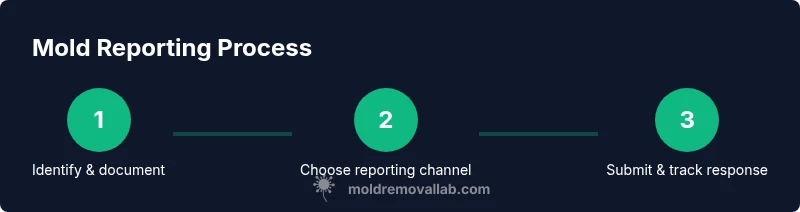
You should report mold in a house to local health or housing departments, building inspectors, or your landlord, depending on your situation. Start by documenting mold with photos and dates, then file a report with the appropriate agency. If you rent, notify the landlord in writing and keep copies of all communications. In serious cases, contact emergency services.
Understanding where to report mold in a house
According to Mold Removal Lab, reporting mold promptly to the right authorities helps protect occupants and speeds remediation. The exact reporting path can vary by location, the type of building (rental vs. owner-occupied), and the severity of mold growth. In general, most households should start with local public health or housing agencies, then consider building inspections, licensing boards, or environmental health offices if needed. This section outlines who typically handles mold reports and what each channel can do for you.
Key players include local health departments, environmental health divisions, code enforcement, housing authorities, and, for renters, property managers or landlords. Local health departments often investigate moisture-related health hazards and can issue guidance or orders to remediate. Conduct minimal sampling is typically not required for reporting; visual signs plus documentation are usually sufficient to trigger review.
Mold reporting is not just about a single event; it often initiates a process that may include inspections, remediation plans, and follow-up reports. The Mold Removal Lab team emphasizes that you should document all observations, preserve communications, and stay engaged through the remediation cycle. Always include your contact information and preferred method of follow-up; most agencies will respond with next steps within days to weeks, depending on their backlog and local regulations. Also remember to note any health symptoms your household is experiencing and where mold is visible in the home.
Reporting channels by location and scenario
Where you file a mold report depends on your living arrangement and local rules. For renters, the first line of contact is typically the landlord or property manager, paired with a report to the local health department or housing authority if the issue isn’t resolved promptly. For owner-occupants, you may report to a city or county environmental health office, especially if indoor air quality concerns persist despite cleaning efforts. Some jurisdictions require a formal inspection order before remediation begins, while others rely on documentation from tenants to trigger an official review.
Based on Mold Removal Lab analysis, channels differ by jurisdiction; some require landlords to be notified, while others allow direct tenant reports to public health or code enforcement. If your building is part of a homeowners association, you might also notify the HOA in addition to public agencies. In high-risk situations—such as when someone in the home has respiratory problems or mold appears in centralized HVAC systems—do not delay contacting health authorities. Quick escalation can prevent further health risks and limit structural damage.
For schools, daycares, or multi-family units, reporting pathways may involve occupancy safety officers, district health departments, or state environmental agencies. If you’re unsure which agency handles mold, start with your city or county government website; many have a dedicated mold or indoor air quality page with phone numbers and reporting forms. Keeping a clear paper trail helps agencies track the case and provide consistent guidance throughout remediation.
What information to include in your mold report
A well-prepared mold report speeds up review and action. Include the location (rooms with visible growth), approximate size of the affected area, suspected moisture source (leaky pipes, condensation, poor ventilation), and dates when you first noticed the issue. Attach or reference clear photographs showing the mold’s growth over time, any odors, and visible water damage. If health symptoms are present among residents, describe them with dates and severity. Include basic building information: occupancy type (rental vs owned), number of occupants, and whether the problem affects only one unit or shared spaces.
Provide a concise description of recent weather events or renovations that might have contributed to moisture. Supply a copy of your lease (for renters) or ownership documents (for homeowners) and note attempts you’ve already made to resolve the problem (such as notifying the landlord or maintenance staff). If a professional has already inspected the space, include the report or contact details. Most agencies require only documentation in digital form; keep originals in a safe place in case they’re requested later. Finally, specify your preferred method and time for follow-up so the agency can coordinate with you efficiently.
How to document and preserve evidence
Documentation is your best ally when reporting mold. Maintain a dedicated folder (digital or physical) for all mold-related materials: copies of your report submissions, emails, call logs, and dates of conversations. Save all photographs with a consistent naming convention that includes the date and location. Create a simple timeline that traces the onset of mold symptoms, moisture events, and remediation actions. If possible, record humidity readings and indoor temperature, as consistent moisture control data strengthens your case.
Keep a log of communications: who you spoke with, when, and what was promised. If you visit a clinic or doctor with mold-related symptoms, request copies of medical notes linking health effects to mold exposure. Preserve any receipts for temporary housing or remediation products you’ve used, as these may be reimbursable through insurance or landlord settlements. Finally, back up digital files in the cloud or on an external drive to prevent loss from device failure.
Navigating landlord and tenant rights when reporting
Tenant protections vary by jurisdiction but generally guarantee a safe and habitable living environment. If mold is present, many regions require landlords to remedy the issue within a reasonable timeframe after receiving notice. As a renter, you should document the problem in writing (email or certified mail) and request a remediation plan with deadlines. If the landlord fails to act, you may escalate the issue to public health, housing, or code enforcement, and you may have recourse through housing protections or rental dispute resolution services.
Homeowners should document issues similarly and consider consulting a licensed contractor for remediation guidance before proceeding with repairs, especially if the mold involves complex systems like HVAC, roofing, or structural elements. In both cases, avoid delaying action; prolonged moisture can worsen mold growth and increase health risks. If you’re unsure about the legality of steps or need specific timelines, consult your local ordinances or seek legal advice. The Mold Removal Lab team emphasizes sticking to factual reporting and following official instructions rather than attempting risky DIY remediation when large areas or hazardous molds are involved.
Next steps after filing a report
After you submit a mold report, follow up promptly if you don’t receive an acknowledgment within the timeframe specified by the agency. Expect a review period that might range from a few days to several weeks, depending on backlog and the complexity of the case. Be prepared to cooperate with inspectors, provide access to the property, and share additional documentation if requested. If remediation is ordered, maintain ongoing communication with the contractor and the agency to confirm compliance with health and safety standards. Finally, keep monitoring for any recurrence and report it immediately to prevent long-term exposure.
Local variations and common pitfalls
Local rules and definitions of mold exposure can vary; what triggers an inspection in one city may not in another. A common pitfall is relying on DIY containment without professional assessment when mold involves porous materials or hidden moisture sources. Another mistake is delaying reporting due to fear of rent penalties or disputes with neighbors; health and safety should come first. Keep in mind that some jurisdictions require certain forms or thresholds before action is taken. By following official reporting channels, documenting thoroughly, and staying engaged, you’ll increase the likelihood of a timely and effective remediation plan. The Mold Removal Lab team recommends maintaining a calm, factual tone in all communications and focusing on observable facts rather than assumptions.
Tools & Materials
- Smartphone or digital camera(High-resolution photos of mold and moisture sources)
- Notebook or note-taking app(Dates, times, and descriptions)
- Printer or digital copy access(Lease/ownership documents and prior reports)
- Measuring tape or ruler(To estimate mold area if needed)
- Pen and basic forms(For writing notes or filling out forms)
- Cloud storage or external drive(Backups of evidence and reports)
- Health records or doctor notes(Link health symptoms to exposure if present)
Steps
Estimated time: 45-90 minutes
- 1
Identify and document mold
Walk through the home and locate visible mold areas. Take clear, well-lit photos from multiple angles and note the size and location. Record any signs of moisture, such as leaks or water stains. This establishes a factual basis for your report.
Tip: Capture a plan view or layout sketch to show where each mold patch sits in relation to rooms and moisture sources. - 2
Gather supporting information
Collect lease or ownership documents, recent maintenance requests, and any prior remediation efforts. Compile a list of affected occupants and any related health symptoms with dates. Prepare to provide contact details for follow-up.
Tip: Create a simple timeline documenting when issues were first noticed and when actions were requested. - 3
Determine the reporting channel
Identify the appropriate authority based on your location and scenario (landlord, local health department, housing authority, or code enforcement). If unsure, start with the local government website or call center for mold or indoor air quality guidance.
Tip: If you rent, begin with the landlord in writing and copy the health department to escalate if needed. - 4
Prepare and submit the report
Draft a concise report that includes location, photos, moisture sources, dates, and your requested outcome. Attach evidence and provide preferred follow-up contact. Submit via the agency’s portal or mail as required.
Tip: Keep a confirmation receipt or timestamp for every submission. - 5
Track, follow up, and cooperate
Monitor the agency’s response. Cooperate with inspectors and contractors, granting access to the property as needed. Document any remediation steps and keep communications organized.
Tip: If a remediation or inspection is scheduled, prepare a checklist of questions to ensure the scope is complete. - 6
Review outcomes and prevent recurrence
After remediation, verify that affected areas are clean and moisture issues are addressed. Request a follow-up inspection or written confirmation of completion. Implement ongoing moisture control measures and monitor for regrowth.
Tip: Ask for a written remediation completion report and store it with other mold records.
FAQ
What counts as mold that should be reported?
Visible mold growth, musty odors, or moisture problems that cause health concerns should be reported. If you’re unsure, report the issue and let the reviewing agency determine the appropriate next steps.
Visible mold or related health concerns should be reported. If in doubt, file the report and the agency will guide you.
Who should renters report mold to if there is a writing requirement?
Renters should start with the landlord in writing. If the landlord doesn’t act, report to the local health department or housing authority per local rules.
Start with your landlord in writing, then escalate to the local authorities if needed.
Do I need a professional mold inspection before reporting?
In most cases, you can report based on visible mold and moisture issues without a professional inspection. Agencies many times accept photos and descriptions as initial evidence, but they may request a licensed inspection later for formal remediation.
Usually you can report with photos and notes; a licensed inspection may be asked for later.
How do I file a mold report with a local health department?
Visit the department’s website to access an online form or download a report template. Attach photos and moisture documentation, then submit. You should receive a confirmation and a case number for follow-up.
Use the health department's form or portal, attach your evidence, and save the case number.
Can reporting mold affect my lease?
Reporting mold is meant to protect health and safety and should not be used against you for expressing concerns. Some regions provide protections for tenants asserting habitability issues, and landlords must address legitimate mold problems promptly.
Reporting mold should not jeopardize your tenancy; many places protect tenants who report health hazards.
Are there deadlines for reporting mold?
Deadlines vary by jurisdiction and the severity of the issue. Many areas expect timely reporting once mold is observed, particularly when health symptoms or structural damage are present.
Deadline timelines depend on local rules; report promptly when you notice mold or related health concerns.
Watch Video
The Essentials
- Document mold quickly with photos and dates.
- Submit reports through the appropriate local authority channels.
- Keep a thorough record of all communications and remediation steps.
- Renters should notify landlords in writing and escalate if needed.
- Protect health by avoiding exposure and seeking professional help for large areas.