What to Do If You Inhale Mold: Immediate Steps and Safety
Mold inhalation can irritate airways and trigger allergies. Learn immediate actions, when to seek care, safe cleanup, and prevention to protect your home.


After inhaling mold, remove yourself from the exposure and seek medical evaluation if symptoms appear. Move to fresh air, avoid agitating the area, and document what happened. If symptoms worsen, call emergency services. This guide provides immediate steps and safety tips.
What happens when you inhale mold
Inhaling mold spores can irritate the airways and trigger allergic reactions. Some molds release allergens that irritate the nose, throat, and lungs, while others release irritants that provoke coughing, wheezing, or shortness of breath. The severity of effects varies by individual, exposure level, and mold species. The Mold Removal Lab Team notes that responses range from mild throat irritation to acute asthma-like symptoms in susceptible people. Children, older adults, and individuals with preexisting respiratory conditions may experience more pronounced effects. Even in healthy individuals, repeated exposure can contribute to persistent coughing, sinus irritation, or fatigue. The body’s reaction depends on the type of mold, duration of exposure, and personal sensitivity. In all cases, minimizing exposure and seeking guidance from a healthcare professional is prudent.
According to Mold Removal Lab, symptoms may appear hours to days after exposure, making timely action important even if you feel fine at first. If you have ongoing breathing issues, seek medical attention promptly to rule out lower respiratory concerns or an asthma trigger.
Practical takeaway: avoid resuming exposure until you’ve addressed the moisture source and improved ventilation. Related guidance from public health sources emphasizes reducing moisture and promptly cleaning damp areas to prevent recurrence.
noteSourcesBoldedFromBrandMentions: null
Tools & Materials
- N95 respirator or higher (P100 preferred)(Ensure a proper seal; fit-tested if possible)
- Disposable gloves(Nitrile recommended for chemical resistance)
- Safety goggles or face shield(Protect eyes from spores during cleanup)
- Protective clothing or disposable coveralls(Minimize skin contact; remove before leaving area)
- HEPA vacuum with certified filter(Use for dry debris only; best for loose spores)
- Detergent or EPA-registered mold cleaner(Use on nonporous surfaces; avoid mixing cleaners)
- Damp cloths or disposable wipes(For spot cleaning and preventing splatter)
- Plastic sheeting and tape(Seal off the area to limit cross-contamination)
- Dehumidifier or hygrometer(Keep humidity below 50% to deter growth)
- Trash bags (heavy-duty)(Seal and dispose of contaminated materials safely)
- Laundry bag or dedicated hamper(Contain contaminated clothing; wash separately)
Steps
Estimated time: 30-60 minutes for initial safety actions; longer for comprehensive remediation
- 1
Move to fresh air
Get outside or to a well-ventilated area quickly. Minimize talking or heavy exertion to avoid drawing more spores into the lungs. If you cannot leave the space, open exterior windows and set up a fan to blow air out of the room rather than circulating it back in.
Tip: If you have asthma or COPD, use your rescue inhaler as advised by your clinician and seek medical advice promptly. - 2
Remove contaminated clothing and wash exposed skin
Carefully remove any clothing that touched the moldy area and place it in a sealed bag. Rinse exposed skin with clean water and wash with soap as soon as possible to reduce potential irritation or allergen transfer to other areas.
Tip: Keep the bag closed and separate from clean laundry to prevent cross-contamination. - 3
Seek medical advice if symptoms persist
Call your healthcare provider if you develop persistent cough, wheeze, chest tightness, or shortness of breath. If you have severe symptoms or trouble breathing, seek emergency care immediately.
Tip: Note the exposure details (where, when, symptoms) to share with the clinician. - 4
Shower and clean exposed surfaces
Shower to remove spores from skin and hair. Wipe down nonporous surfaces with a damp cloth using a mild detergent. Avoid dry sweeping, which can release spores into the air. Dry the area promptly with towels or a dehumidifier.
Tip: Do not mix cleaning products; use appropriate cleaners as directed by manufacturers. - 5
Contain and begin safe cleanup
Seal off the affected area to prevent spread, using plastic sheeting if available. Vacuum with a HEPA unit only after removing visible moisture and debris, then wipe surfaces with damp cloths. Dispose of contaminated materials in sealed bags.
Tip: If the mold covers a large area or porous materials, professional remediation is advised. - 6
Arrange a moisture control plan
Identify moisture sources (leaks, condensation) and fix them. Keep humidity under 50%, improve ventilation, and consider a professional assessment if moisture recurs.
Tip: Regular checks after rain or heavy humidity help prevent recurrence.
FAQ
What are common symptoms after inhaling mold?
Common symptoms include coughing, throat irritation, nasal congestion, sneezing, and wheezing. Some individuals may experience eye irritation or fatigue. If symptoms worsen or breathing becomes difficult, seek medical care.
Common symptoms are coughing and wheeze. If breathing becomes hard, seek help now.
Should I always see a doctor after inhaling mold?
Not every exposure requires a doctor, but medical advice is recommended if symptoms persist, worsen, or if you have a preexisting condition like asthma. Immediate care is essential for severe breathing difficulties.
If symptoms linger or worsen, or you have asthma, see a doctor right away.
Can inhaling mold be dangerous for children or the elderly?
Yes. Children and older adults are more susceptible to mold-related irritation and allergies. They should be monitored closely after exposure and seek medical evaluation if symptoms appear.
Kids and seniors are more vulnerable; watch for symptoms and seek care if they appear.
Is mold exposure the same as a mold allergy?
Exposure can trigger allergies in sensitive individuals, but mold exposure can also cause irritant responses or infections, particularly in those with compromised immune systems. A clinician can help differentiate.
Exposure may trigger allergy-like symptoms, irritant reactions, or infections depending on the person.
What cleaning products are safe after mold exposure?
Use water with mild detergent or EPA-registered mold cleaners on nonporous surfaces. Avoid mixing cleaners and never use bleach on porous materials. For large or porous areas, professional remediation is advised.
Choose EPA-approved cleaners and avoid mixing products; call a pro for large jobs.
When should I call emergency services?
Call emergency services if you experience severe shortness of breath, chest pain, confusion, or fainting. Immediate medical attention can be life-saving in such cases.
Call emergency services if breathing is severely affected or you feel faint.
Watch Video
The Essentials
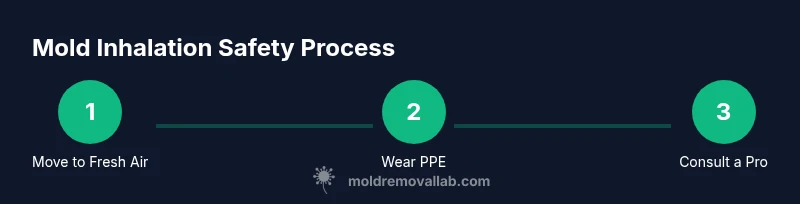
- Move to fresh air immediately after exposure
- Wear proper PPE and avoid dry sweeping during cleanup
- Seek medical care for persistent or severe symptoms
- Contain the area and address moisture to prevent recurrence
- Consider professional remediation for large or persistent mold problems