Mold in Lungs: How to Get It Out Safely
A practical, safety-first guide for recognizing mold exposure in the lungs and seeking medical care. Learn symptoms, diagnosis, and steps to reduce indoor mold with expert tips from Mold Removal Lab.


Mold inhalation can irritate the lungs and may lead to serious health issues; there is no safe, DIY way to remove mold from lung tissue. If you suspect mold exposure, seek urgent medical evaluation, as treatment depends on symptoms and exposure history.
What mold in lungs means
Mold in the lungs is not a single disease; it's a spectrum of possible reactions to mold exposure, from irritant effects to allergic responses and, in rare cases, invasive conditions. When inhaled spores settle in the airways or lung tissue, they can trigger coughing, wheezing, chest tightness, and shortness of breath. If you are researching mold in lungs how to get it out, you should know that there is no safe home remedy or regimen that will reliably remove mold from the lungs. Instead, the priority is to minimize ongoing exposure and seek medical evaluation promptly. According to Mold Removal Lab, the lungs are resilient but vulnerable to ongoing irritation from spores, mycotoxins, or inflammatory mediators. Early medical assessment helps differentiate acute irritation from more persistent issues like allergic bronchopulmonary mycosis or other mold-related lung conditions. A clinician will consider your exposure history, symptoms, and risk factors (such as preexisting asthma, COPD, or immunosuppression) to tailor care. You may hear terms like airway inflammation, hypersensitivity, or aspiration depending on the situation. In most cases, stopping exposure and supporting respiratory health are essential first steps.
How mold affects the lungs and breathing
Mold spores and fragments can irritate the lining of the airways and lung tissue. For some people, exposure triggers an allergic reaction that inflames airways, leading to coughing, wheezing, and shortness of breath. Others may experience mucus production, chest discomfort, or flu-like symptoms after exposure. Chronic exposure without relief can worsen asthma control or trigger new respiratory sensitivity. The body’s defense mechanisms may produce inflammation to fight what it perceives as an invader, which can temporarily impair lung function. Importantly, mold-related breathing issues are not the same for everyone; individual history, genetics, and current health status all shape the outcome. Mold Removal Lab emphasizes that indoor air quality, humidity, and ventilation play critical roles in ongoing risk. Reducing exposure is a foundational step in any plan to protect lung health.
Common exposure contexts
Exposure often occurs in damp, poorly ventilated spaces such as basements, bathrooms, or areas with visible mold growth. Occupants may be exposed during remodeling or when bringing in water-damaged materials. People with preexisting lung conditions or weakened immune systems are more susceptible to adverse effects from mold exposure. Indoor humidity above 60% promotes spore growth, and spores can travel through HVAC systems, extending exposure beyond the original source. Monitoring for mold signs—musty odor, visible patches, or staining—is important, but air sampling should be guided by a clinician or qualified indoor air specialist. Mold Removal Lab notes that addressing the moisture source is as crucial as remediation, because without moisture control, mold returns.
Symptoms and when to seek urgent care
Symptoms vary and may include coughing, wheeze, chest tightness, shortness of breath, nasal congestion, or sore throat after exposure. Some people may develop sinus symptoms or eye irritation. If you notice new or worsening breathing difficulties, chest pain, confusion, or severe hives after mold exposure, seek immediate medical attention. Individuals with asthma, COPD, or immune suppression should treat any suspected exposure as potentially serious and contact a healthcare provider promptly. Remember, mold in the lungs requires professional assessment; do not rely on self-treatment or over-the-counter products without medical guidance. The Mold Removal Lab team recommends erring on the side of caution and obtaining an accurate diagnosis to guide care.
Diagnostic approaches doctors may use
Clinicians begin with a thorough exposure history and symptom review. They may perform a physical exam, lung function testing (spirometry), chest imaging (like X-ray or CT scan), and blood tests to check for markers of inflammation or allergy. In some cases, clinicians may pursue allergy testing or sputum analysis to identify specific mold-related triggers. Diagnosis hinges on linking symptoms with exposure history and test results, and it often requires collaboration between primary care, pulmonology, and sometimes infectious disease specialists. Mold Removal Lab notes that accurate diagnosis informs both treatment and decisions about environmental remediation to prevent recurrence.
Indoor environment: reducing ongoing exposure
After exposure concerns are identified, reducing indoor mold becomes a priority to protect lung health. Practical steps include fixing leaks promptly, controlling humidity with dehumidifiers or ventilation, and cleaning visible mold with appropriate safety measures. Do not blend bleach with ammonia or other cleaners, and wear protective gear during cleanup. Engage a qualified professional for extensive mold remediation in living spaces, especially if mold covers large areas or penetrates structural components. A clean indoor environment lowers ongoing irritants in the lungs and supports recovery, even as you receive medical care. The Mold Removal Lab team underlines that remediation should target both the mold source and moisture control to prevent future growth.
Interim actions you can take while waiting for care
If you suspect mold exposure and cannot immediately access care, minimize exposure by staying out of damp areas and maintaining good ventilation where possible. Use a portable HEPA purifier in living spaces to reduce airborne spores, and avoid activities that stir up mold, like drywall sanding in moldy rooms. Document symptoms, dates, and suspected sources to share with your healthcare provider. While at home, maintain a clean, dry environment and promptly address any water leaks or damp conditions. Remember, interim steps cannot substitute professional evaluation, but they can reduce ongoing risk while you pursue medical care. Mold Removal Lab recommends prioritizing medical assessment alongside environmental control to protect lung health.
Myths and realities
Myth: You can simply “wash out” mold from the lungs with home remedies. Reality: No home method reliably removes mold from lung tissue; professional evaluation is essential. Myth: If you don’t have severe symptoms, you’re fine to wait it out. Reality: Mold-related lung issues can worsen or become chronic, especially for those with asthma or immune compromise. Myth: Cleaning the house removes all risk if you ventilate. Reality: Ventilation helps but does not eliminate mold in a damp environment without moisture control and professional remediation. The truth is that a combination of medical care and environmental management protects long-term lung health. Mold Removal Lab emphasizes avoiding unproven remedies and seeking evidence-based care.
Safety resources and getting help
If you’re unsure where to start, contact a primary care physician or pulmonologist for an evaluation. Local health departments and university extension services offer guidance on indoor air quality and mold remediation best practices. Look for certified indoor environmental professionals for complex remediation projects. You can also explore reputable online resources from government and university sources to understand symptoms, testing, and safe cleanup practices. The Mold Removal Lab team encourages seeking trusted, science-based information and working with healthcare providers to protect lung health.
Tools & Materials
- Notebook or digital symptom log(Record dates, symptoms, exposures, and responses to care)
- Phone or telehealth access(Arrange medical evaluation and share exposure history)
- N95/KN95 respirator(Use during necessary cleanup or when entering moldy spaces to reduce inhalation)
- Gloves and eye protection(Wear during cleanup or handling damp materials)
- HEPA air purifier (portable)(Can reduce airborne spores in living areas while awaiting care)
- Mold remediation cleaners (non-toxic)(Follow label directions; avoid mixing cleaners)
Steps
Estimated time: 1-2 weeks for initial evaluation and tests; follow-up depends on treatment and remediation progress
- 1
Identify symptoms and possible exposure
Note new or worsening respiratory symptoms after possible mold exposure, including cough, wheeze, chest tightness, and breathlessness. Establish a timeline, potential sources, and any preexisting conditions. This helps clinicians assess risk and prioritize tests.
Tip: Keep a running log of symptoms to share with your clinician. - 2
Schedule medical evaluation promptly
Contact a primary care clinician or pulmonologist to discuss mold exposure and symptoms. If symptoms worsen or you have trouble breathing, seek urgent care or emergency services.
Tip: If you cannot access care quickly, use telehealth options to begin a medical conversation. - 3
Prepare exposure and medical history
Bring details about water damage, leaks, recent remodeling, and any prior mold problems. Include medications, allergies, and preexisting lung or immune conditions.
Tip: Have photos of damp areas or mold growth available if a clinician asks for environmental context. - 4
Undergo clinician-directed tests
Expect a physical exam, lung function tests, and imaging as guided by your clinician. Tests may help distinguish irritation from allergic or infectious processes related to mold.
Tip: Ask which tests are most appropriate for your case and what results mean. - 5
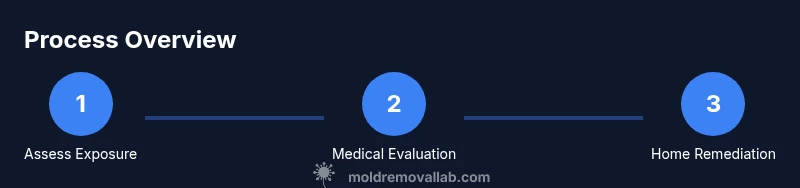
Begin treatment and environmental steps
Follow the prescribed care plan, which may include medications to control inflammation or symptoms and recommendations for indoor mold remediation and humidity control.
Tip: Address moisture sources in your home to prevent recurrence. - 6
Monitor and plan follow-up
Keep tracking symptoms and arrange follow-up visits to assess response to treatment and environmental improvements. Reassess exposure sources and remediation progress as needed.
Tip: If symptoms persist or worsen, contact your clinician promptly.
FAQ
Can mold in the lungs be removed without medical treatment?
No. There is no safe DIY method to reliably remove mold from lung tissue. Medical evaluation is essential to determine next steps and appropriate treatment.
There is no safe home method to remove mold from lung tissue; seek medical care for evaluation and treatment.
What symptoms should prompt urgent medical attention?
New or worsening trouble breathing, chest pain, confusion, or severe wheeze after mold exposure require urgent care. If in doubt, contact emergency services.
Seek urgent care if breathing worsens, chest pain occurs, or you feel confused after mold exposure.
How is mold exposure diagnosed by doctors?
Clinicians review exposure history and symptoms, perform a physical exam, and order tests such as lung function tests and imaging. Additional tests may assess allergies or infections related to mold.
Doctors use history, exams, and tests like lung function and imaging to diagnose mold-related lung concerns.
Should I move out of a moldy home immediately?
If the indoor environment has active mold growth and moisture problems, minimize exposure and consult remediation professionals. Immediate relocation is advised only if the environment poses a hazard or you experience severe symptoms.
Limit exposure and seek remediation guidance; relocate if mold conditions threaten health or symptoms are severe.
Are there safe home remedies for mold exposure?
Most home remedies are not proven to treat mold-related lung issues. Rely on medical guidance and environmental remediation rather than unverified cures.
Avoid unproven home cures; follow clinician advice and proper mold remediation instead.
What long-term steps prevent mold-related health issues?
Control indoor moisture, repair leaks, and arrange professional mold remediation when needed. Ongoing medical follow-up helps ensure your lung health improves with environmental changes.
Control moisture and pursue professional remediation; keep up with medical follow-up.
Watch Video
The Essentials
- Seek professional medical evaluation for suspected mold exposure.
- Avoid DIY lung treatments or home cures.
- Address indoor mold sources to reduce ongoing risk.
- Document symptoms and exposures for clinicians.
- Follow medical and environmental remediation guidance for long-term protection.