What to Do If You Ingest Mold: Practical Steps
Learn clear, actionable steps for what to do if you ingest mold. This guide covers immediate actions, when to seek care, and prevention tips to keep your family safe from mold-related health risks.


What you’ll accomplish: know exactly what to do if you ingest mold, minimize risks, and know when to seek medical help. You’ll learn rapid steps to take if you suspect contamination, how to monitor symptoms, and how to prevent future exposure. This quick guide focuses on safety, immediate actions, and when to contact a healthcare professional or poison control.
Understanding mold ingestion: why it happens and what risks exist
Mold growth in kitchens, pantries, and damp basements can lead to more than a noseful of odor; if someone accidentally swallows mold, it's important to understand what to do if you ingest mold and why exposure matters. The Mold Removal Lab team notes that most mold exposure occurs through inhalation, but ingestion cases do happen, usually from contaminated food or heavily moldy leftovers. While many molds are harmless when ingested in small amounts, some produce mycotoxins that can irritate the GI tract or trigger an immune reaction in susceptible people. The key is not to panic, assess the symptoms, and choose an appropriate course of action. According to Mold Removal Lab, even small exposures should be followed by careful observation. If you have underlying conditions such as asthma or immunocompromise, the consequences may be more pronounced. Your body may react with stomach upset, nausea, vomiting, or diarrhea, but many cases resolve on their own with hydration and rest. This section lays out the biology of mold and practical reasons why ingestion prompts medical guidance rather than self-treatment alone. By understanding the risks, you’ll know when to seek help and how to document events for future prevention.
Immediate actions after suspected ingestion
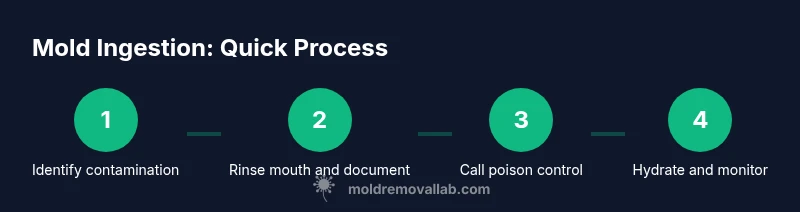
If you suspect you have ingested mold, act quickly but calmly. The first step is to remove any remaining contaminated food from reach and discard it safely. Rinse your mouth with clean water to reduce residual spores, and avoid vomiting, which can cause additional irritation or aspiration. Document what you ate, when, and the product's mold status; this information helps healthcare professionals assess risk. Do not rely on home remedies alone to neutralize toxins; food safety won’t always eliminate the risk. Instead, contact your local poison control center or your primary care physician for tailored guidance. If you already have a health condition such as asthma or a compromised immune system, inform the clinician about this upfront. In many regions, poison control services can direct you to the right care level and may recommend a visit within a few hours if symptoms begin. Finally, hydration matters: sip water or an oral rehydration solution, and rest while you monitor for changes in symptoms.
When to seek emergency care or urgent evaluation
Not all mold ingestion requires clinic visits, but some signs demand immediate attention. Seek emergency care if you experience difficulty breathing, severe chest pain, confusion, fainting, persistent vomiting, or signs of dehydration that do not improve with fluids. If the symptoms come on rapidly after ingestion, assume a faster risk and go to the nearest emergency department. Even if symptoms are mild, call your clinician if you have ongoing abdominal pain, a high fever, blood in stools, or if you are pregnant, elderly, or immunocompromised. The goal is to rule out a serious reaction and ensure you’re not dealing with toxins that could affect organs beyond the GI tract. In some cases, your doctor may order tests, such as a basic metabolic panel or stool analysis, to assess hydration status and infection risk. Remember that delayed care can complicate outcomes, so when in doubt, err on the side of professional evaluation.
Medical evaluation: what clinicians look for after ingestion
Medical teams consider several factors when evaluating mold ingestion. They review the amount and type of exposure, symptoms, and any existing medical conditions. Clinicians often ask about recent meals, food storage practices, and whether mold appeared on consumed products. They may perform a physical exam focused on the abdomen and lungs, check vital signs, and assess hydration status. If symptoms persist beyond a few hours or if there are concerning signs, doctors may order lab tests, such as a complete blood count or electrolyte panel, to gauge inflammation or dehydration. Some patients with persistent GI symptoms or a history of mold allergy may benefit from referral to a gastroenterologist or allergist. While there is no universal antidote for mold toxins, treatment centers on supportive care, symptom relief, and preventing further exposure. This section helps you understand why professionals make these decisions and how you can prepare your information before a visit.
Home safety and prevention to minimize future ingestion risk
Prevention is the best approach to reduce ingested mold risk. Start by inspecting humidity-prone areas like kitchens, basements, and laundry rooms for leaks or condensation, and fix them promptly. Store foods in sealed containers and discard moldy items, even if the mold seems confined to a small area. Clean shelves and surfaces regularly with soap and water; for non-bleach households, a mixture of water and vinegar can be effective for routine sanitation. Avoid relying on color or texture changes to determine safety; mold may be invisible behind packaging or inside soft foods. When you must store leftovers, label them with date and use-by times; refrigerate promptly and keep the fridge below 40°F (4°C). For households with children or elderly residents, consider additional precautions such as mold-resistant storage containers and regular inspections of pantry packaging. Finally, prevent mold growth by addressing moisture sources, improving ventilation, and using dehumidifiers in damp spaces. A proactive plan minimizes risk and supports overall home health.
Managing mild symptoms at home and monitoring progress
If symptoms are mild and you feel generally well, you can manage at home with supportive care. Hydration is crucial, so sip fluids regularly and consider oral rehydration solutions if there is vomiting or diarrhea. Rest as needed and avoid heavy meals until you feel settled. Ginger tea or saltine crackers can help with nausea, but avoid caffeine if you are dehydrated. Keep a symptom diary to capture onset times, foods eaten, and any changes; this information will help your clinician determine if further tests are necessary. Avoid self-prescribing medications that can irritate the GI tract or interact with existing conditions. If you experience chest tightness, severe abdominal pain, or dehydration that worsens, seek urgent care. This section emphasizes patient empowerment—understanding how to support your body while you await professional advice.
Special considerations for children, older adults, and immunocompromised individuals
Children, older adults, and individuals with weakened immune systems may experience more pronounced symptoms after mold ingestion. For them, even mild GI upset or cough can escalate quickly into dehydration or respiratory distress. In these groups, it is prudent to seek medical advice promptly after any ingestion incident, and to consider a preventive approach that minimizes exposure in the future. Carry a quick reference of emergency contacts, keep a list of current medications, and ensure that foods are stored safely with intact packaging. Providers may opt for closer monitoring or early referral to specialists when risk factors like asthma, diabetes, or immune suppression exist. The overarching goal is to avoid progression to severe illness and to empower caregivers with clear steps and resources.
Common myths and facts about mold in food
Myth: All mold is extremely dangerous and must be discarded immediately. Fact: Most mold on non-perishable foods can be trimmed or discarded, but mold on soft foods like bread or dairy should be discarded entirely. Myth: Cooking or reheating moldy food makes it safe. Fact: Heat does not reliably destroy mycotoxins that may be present. Myth: A quick rinse removes mold from spoiled foods. Fact: Surface cleaning is not enough for sealed or porous foods. Understanding these nuances helps you avoid unnecessary waste while reducing health risks.
What Mold Removal Lab recommends and next steps
The Mold Removal Lab team emphasizes practical, readable guidance for homeowners and renters. If you ingest mold and symptoms are mild, focus on hydration, symptom tracking, and prompt medical consultation if anything worsens. For persistent or severe symptoms, professional evaluation is essential to rule out complications. Mold prevention—addressing moisture, improving ventilation, and promptly discarding moldy foods—remains the safest strategy. Our verdict is clear: safety comes first, and rapid access to medical care when indicated significantly improves outcomes. For ongoing concerns, consider a professional mold risk assessment to protect your family from future exposures.
Tools & Materials
- Emergency contact numbers(Local poison control and emergency services)
- Medical history summary(List allergies, current medications, and chronic conditions)
- Symptom diary(Record onset, foods eaten, and progression of symptoms)
- Water and oral rehydration supplies(Have plain water and, if possible, an oral rehydration solution)
Steps
Estimated time: 1-2 hours (varies by symptom development and clinician access)
- 1
Identify and remove contaminated foods
Review what was eaten and discard any moldy items or leftovers. This reduces further exposure and helps your clinician assess risk based on the likely source.
Tip: Keep the area contained; seal packaging before disposal to avoid cross-contamination. - 2
Rinse mouth and avoid self-induced vomiting
Gently rinse with clean water to remove spores. Do not induce vomiting, as this can cause additional irritation or aspiration.
Tip: Spit out rinse water into a sink and rinse again if you feel residual taste or spores. - 3
Document details for healthcare guidance
Note the foods involved, when exposure occurred, and any symptoms. This helps clinicians estimate risk and choose appropriate care.
Tip: Include product names, expiration dates, and storage conditions if known. - 4
Contact poison control or your clinician
Get tailored advice based on the amount ingested, symptoms, and your health history. They may guide you to observe at home or seek in-person care.
Tip: If symptoms develop quickly, do not delay—seek urgent care. - 5
Monitor symptoms and hydrate
Sip water or an oral rehydration solution and rest. Track changes in GI comfort, thirst, or dizziness over the next few hours.
Tip: A symptom diary will help your clinician decide if tests are needed. - 6
Seek emergency care if warning signs appear
Breathing difficulties, severe dehydration, confusion, or persistent vomiting require immediate evaluation.
Tip: Call emergency services if you cannot reach a clinician quickly.
FAQ
Can ingesting mold be fatal?
Ingesting mold can cause serious symptoms in sensitive people, but fatalities are rare. Seek medical help if you have severe symptoms or are in a high-risk group. Mild cases often improve with hydration and monitoring.
In most cases, ingesting mold is not fatal, but severe symptoms require urgent care. If in doubt, contact a clinician promptly.
Should I induce vomiting after mold ingestion?
No. Inducing vomiting can cause additional harm. Rinse your mouth and seek guidance from poison control or a clinician for the next steps.
Don't try to vomit. Rinse your mouth and call a healthcare professional for advice on what to do next.
Are all molds dangerous if swallowed?
Not all molds produce toxins or cause illness when swallowed in small amounts. The risk depends on mold type, amount, and your health. Medical advice is advised if you’re unsure.
Not every mold is dangerous if swallowed, but some can cause symptoms—get guidance if you’re worried.
When should I seek emergency care after mold ingestion?
Seek emergency care if you have trouble breathing, severe vomiting, chest pain, confusion, or signs of dehydration that don’t improve with fluids.
Go to the ER if you have trouble breathing, severe vomiting, or dehydration that won’t improve.
What can I do at home to reduce risk in the future?
Improve ventilation, fix moisture problems, store foods properly, and discard moldy items promptly to reduce ingestion risk overall.
Improve ventilation and moisture control, store foods safely, and throw out moldy items to prevent future exposure.
Watch Video
The Essentials
- Know when to seek help early to prevent complications
- Disposal and hygiene reduce ongoing exposure
- Document exposure details for accurate care
- Hydration supports recovery and symptom monitoring
- Mold safety relies on moisture control and prevention