What If Mold Touches Your Skin? A Practical Safety Guide
Learn practical steps to take when mold touches your skin. This expert guide covers immediate first aid, symptom signs, safe cleanup, and prevention to protect your health at home.


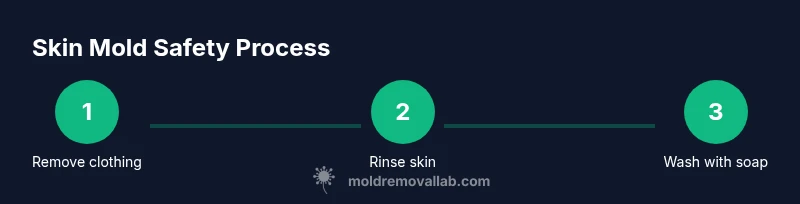
To minimize risk when mold touches skin, act quickly: remove contaminated clothing, rinse skin with clean water, wash with mild soap for 20 seconds, dry gently, apply a clean barrier if no irritation, and seek medical advice if a rash, swelling, or breathing symptoms appear. Avoid scrubbing and spreading spores.
Understanding the risk of skin contact with mold
Mold exposure on the skin can range from mild irritation to allergic reactions, depending on the species, exposure duration, and individual sensitivity. What if mold touches your skin? In general, healthy people experience transient itching, redness, or dermatitis rather than systemic illness. According to Mold Removal Lab, skin contact with mold is typically an irritant or allergen exposure, not a toxin-based danger. Vulnerable groups—young children, older adults, and people with eczema or asthma—may react more strongly, with swelling, hives, or increased itch within minutes to days after contact. The key takeaway is that even seemingly minor contact deserves care: clean the area promptly, reduce further exposure, and monitor for symptoms. This practical overview helps homeowners and renters respond quickly and reduce the risk of longer-term skin problems.
mold spores, moisture, and skin barrier integrity all influence how your skin reacts. If your skin barrier is compromised by dryness or a preexisting condition, mold contact can feel more irritating. By understanding the mechanics of exposure, you can tailor a response that protects your skin and reduces the chance of a secondary infection.
Immediate actions after skin contact
If mold touches your skin, act quickly and calmly to minimize irritation and prevent spreading spores to other surfaces or people. Begin by removing any contaminated clothing and placing it in a sealed bag. Rinse the skin under cool, running water for at least 15-20 seconds to physically flush spores. Then wash with a mild, fragrance-free soap for 20 seconds, rinse again, and pat dry with a clean towel. Do not scrub hard, which can irritate the skin or drive spores deeper into the pores. After cleansing, apply a fragrance-free moisturizer or a barrier such as petrolatum only if your skin shows no signs of cracking, open wounds, or irritation. If you wear contact lenses or have eye exposure, rinse eyes with clean water or saline and seek care if irritation persists. Finally, wash hands thoroughly before touching other surfaces to prevent secondary contamination.
These steps help remove mold from the skin surface while preserving the skin’s natural barrier for faster recovery.
Understanding reactions: irritation, allergy, and infection risk
Most skin exposures cause irritation, redness, and itching rather than dangerous systemic effects for healthy people. But mold can trigger allergic contact dermatitis in sensitive individuals, presenting as a spreading rash, swelling, or small blisters that may require medical treatment. Some species, especially damp indoor mold like Aspergillus or Stachybotrys, can aggravate symptoms in those with asthma or eczema. If you notice a rash that expands, severe itching, fever, or difficulty breathing, seek urgent medical care. For persistent skin symptoms, a clinician may perform a patch test or review your environmental exposure to identify the mold source. Throughout, avoid scratching, which worsens inflammation and can lead to infection. Early management often prevents longer-term skin problems and reduces risk of secondary fungal infections.
Individuals with known mold allergies may experience quicker reactions, and prolonged exposure can increase irritation duration. Recognize that home environments with chronic moisture can sustain mold growth that repeatedly contacts skin, underscoring the need for environmental remediation alongside personal care.
Safe cleanup to minimize future skin contact
Reducing mold growth and repeated skin contact starts with environmental safety. Wear protective clothing: long sleeves, gloves (nitrile or latex), and eye protection when handling moldy items. Work in a well-ventilated area and use a damp, not dry, approach to wipe surfaces to minimize airborne spores. After cleanup, wash contaminated clothing separately and sanitize reusable tools. For skin care, avoid irritants such as fragranced lotions or harsh cleaners after exposure; apply a gentle moisturizer when the skin is soothed. If you must re-enter a moldy area, re-check gloves for tears and replace if damaged. Regular cleaning and moisture control—fixing leaks, improving ventilation, and using dehumidifiers—reduce future risk of skin exposure.
Practical remediation also minimizes skin contact by reducing damp surfaces and the time mold has to interact with skin.
Who is at higher risk and how to protect them
Children, older adults, and people with chronic skin conditions or immune suppression are more vulnerable to mold-related skin reactions. People with a history of dermatitis or allergy may experience quicker or more intense symptoms. For these groups, protective strategies are essential: wear protective clothing during any mold cleanup, wash hands frequently, and avoid touching moldy materials with bare skin. In shared living spaces, keep humidity under control (ideally 30-50%), fix leaks promptly, and address dampness to lower mold colonization. By understanding risk, homeowners can tailor prevention plans and reduce the chance of accidental skin contact.
Building a routine around moisture management and protective habits helps minimize skin exposure across the whole home.
When to seek medical evaluation or testing
If skin symptoms fail to improve within 24-48 hours, or if a rash spreads or blisters develop, contact a healthcare professional. They can assess whether you are experiencing contact dermatitis, an irritant reaction, or a secondary fungal infection. In cases of known mold exposure coupled with asthma or COPD, a clinician may adjust treatment or recommend environmental remediation. Testing for mold exposure is not typically required for simple skin contact, but environmental testing may be advised if symptoms persist or recur in the same environment. The Mold Removal Lab team emphasizes that professional remediation is essential when mold growth is visible or persistent in the home.
Timely medical input supports both skin healing and environmental decision-making.
Long-term skin safety and prevention tips
Prevention hinges on moisture control and protective habits. Use gloves when handling moldy items, keep skin moisturized with fragrance-free products, and regularly inspect areas prone to dampness (basements, bathrooms, laundry rooms). Repair leaks promptly, clean with appropriate products, and avoid dry brushing or abrasive scrubbing that can irritate the skin. If a rash appears after exposure, document its onset and consult a clinician. For ongoing mold concerns, consider integrated mold management—address moisture sources, improve ventilation, and schedule professional remediation as needed. This approach aligns with Mold Removal Lab recommendations for maintaining healthy, safe living environments.
Consistent moisture management, protective skincare routines, and timely remediation create a resilient home environment that minimizes future skin exposure risks.
Tools & Materials
- nitrile or latex gloves(disposable; choose powder-free)
- long-sleeved clothing(protect skin during cleanup)
- eye protection/goggles(to prevent splash exposure)
- fragrance-free soap(mild cleanser for skin)
- fragrance-free moisturizer or barrier cream(post-wash skin protection)
- clean towels/paper towels(drying without contamination)
- sealed bag for contaminated items(dispose or sanitize after)
- air-drying space or fan for ventilation(avoid damp, closed areas)
- non-abrasive scrub brush (optional)(used cautiously if needed)
- hygiene wipes (alcohol-free)(for quick surface cleaning without irritants)
Steps
Estimated time: 25-40 minutes (plus 24-48 hour symptom monitoring)
- 1
Remove contaminated clothing
Carefully take off any clothes or textiles that touched visible mold. Place them in a sealed bag to prevent spreading spores during transport. Do not reuse until properly cleaned or discarded.
Tip: If clothing is heavily contaminated, double-bag and label for disposal. - 2
Rinse exposed skin
Rinse the skin under cool, running water for 15-20 seconds to flush away loose spores. Avoid hot water, which can irritate sensitive skin.
Tip: Keep the rinse gentle; aggressive rubbing can worsen irritation. - 3
Wash with mild soap
Wash the exposed area with a fragrance-free soap for about 20 seconds. Rinse thoroughly and pat dry with a clean towel; avoid rubbing.
Tip: Use a separate towel for the affected area to prevent cross-contamination. - 4
Apply barrier or moisturizer
Apply a fragrance-free moisturizer or petrolatum if the skin appears intact with no cracks. Do not apply on open wounds or severe irritation.
Tip: Choose products labeled 'fragrance-free' to reduce irritation risk. - 5
Monitor for symptoms
Observe the skin over the next 24-48 hours. If redness or itching worsens or spreads, seek medical advice promptly.
Tip: Document onset times to communicate clearly with healthcare providers. - 6
Protect skin during future exposure
Wear protective clothing during any mold inspection or cleanup and wash hands thoroughly after handling moldy items.
Tip: Inspect moisture sources to reduce future exposures. - 7
Escalate if symptoms persist
If symptoms persist beyond 48 hours or worsen, contact a clinician. Consider environmental remediation to eliminate mold sources.
Tip: Professional remediation is advised for hidden mold growth.
FAQ
Is it dangerous if mold touches the skin?
Skin contact is usually irritating rather than acutely dangerous for healthy individuals. Allergic reactions or dermatitis may occur in sensitive people. Seek medical advice if symptoms worsen.
Skin contact is mainly irritating, but seek care if you notice a spreading rash or breathing difficulties.
Can I safely clean mold myself after touching skin?
DIY cleanup can be safe for small, isolated exposures if you use PPE and follow proper cleaning steps. For larger mold growth or persistent symptoms, hire a professional to prevent re-exposure.
Yes, small exposures can be managed with proper protective gear and careful cleaning; for bigger jobs, hire a pro.
What if the skin reaction doesn’t improve in 48 hours?
If symptoms don’t improve within 48 hours or worsen, seek medical evaluation. A clinician can distinguish dermatitis from infection and advise treatment.
If it doesn’t improve after two days, check with a doctor.
Should I test my home for mold if I touched it once?
Single incidents may not require testing, but visible mold or ongoing dampness warrants environmental assessment by professionals to identify and remediate sources.
Testing isn’t always needed after one contact, but persistent dampness should be checked by pros.
Are certain people at higher risk from skin mold exposure?
Yes. Children, older adults, and individuals with eczema or allergies are more susceptible to stronger skin reactions and should take extra precautions.
Kids, seniors, and allergy-prone people are more at risk.
What signs require urgent medical care?
If you experience swelling, difficulty breathing, widespread hives, or severe eye irritation, seek urgent medical care immediately.
Watch for swelling or breathing problems—seek urgent help if they occur.
Watch Video
The Essentials
- Act quickly to remove skin contact and contaminated clothing.
- Cleanse with mild soap and cool water to protect the skin barrier.
- Monitor symptoms for 24-48 hours and seek care if worsening.
- Use protective gear during future mold exposure and address moisture sources.
- Professional remediation is advised for persistent mold problems.