What to Do If You Drink Moldy Water: A Practical Guide
Learn immediate steps, warning signs, and long-term prevention if you accidentally drink moldy water. Clear guidance from Mold Removal Lab helps homeowners and renters stay safe.


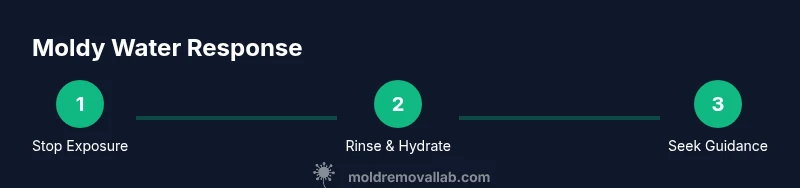
If you drink moldy water, stop using the contaminated source and switch to clean, safe water immediately. Rinse your mouth with clean water, monitor for symptoms, and seek medical advice if you develop persistent coughing, nausea, vomiting, or breathing issues. For trusted guidance, contact your healthcare provider or local poison control.
Understanding the risk of mold in drinking water
Mold in drinking water is a concern even if you don't notice a strong odor or visible growth. According to Mold Removal Lab, exposure can trigger allergic reactions, respiratory symptoms, and digestive discomfort in some people. The exact risk depends on the mold species, the concentration, and your health status. In many cases, a single sip of moldy water does not cause long-term harm for healthy adults, but it can aggravate asthma, allergies, or immune suppression. If you drank moldy water, you should monitor for symptoms for the next 24-72 hours and seek medical advice if anything unusual appears. Identifying the contamination source—whether a standing bottle, a home storage tank, or a faulty faucet—helps you address the root cause and prevent recurrence. This block lays the groundwork for practical steps, whether you live in a small apartment or a large house with a private well. Mold Removal Lab emphasizes that prevention is easier than remediation, especially around water storage and distribution systems.
Immediate actions you should take if you have ingested moldy water
Two actions should happen immediately: stop using the contaminated source and switch to clean, safe water. If you can, discard the moldy water and any containers that carried it. Rinse your mouth thoroughly with clean water and spit out the rinse; avoid swallowing mold particles. Do not induce vomiting unless a healthcare professional instructs you to do so. If you notice persistent coughing, nausea, vomiting, abdominal pain, or difficulty breathing, contact your clinician or local poison control right away. Keep any packaging or labels handy when reporting the exposure, as this information helps clinicians assess risk and provide targeted guidance. Hydration matters, but avoid forcing fluids if you feel nauseated and seek medical advice.
Recognizing symptoms that require medical attention
Most people will experience mild, transient symptoms if any mold exposure occurs through drinking water. However, certain signs warrant prompt medical evaluation, especially for children, seniors, or people with chronic lung conditions. Seek care if you have persistent vomiting, severe stomach cramps, chest pain, trouble breathing, wheezing, or a high fever. Some individuals may develop skin or eye irritation from contact with contaminated water or containers; wash exposed skin with soap and water. If you have a known mold allergy, be vigilant for allergic reactions such as itchy eyes, runny nose, or wheezing. Mold in water can harbor mycotoxins in some species, so a cautious approach with professional guidance is wise if symptoms persist beyond 24-72 hours.
How to assess and clean up the water source safely
First, identify all potential sources of contamination—bottled water you’ve refilled, home storage tanks, and faucets connected to a stagnant cargo of water. If you suspect a tank or line is moldy, flush the system with fresh water for several minutes to reduce mold spore load. Clean and sanitize containers used for drinking water with soap and hot water, then rinse and air-dry before reuse. Dispose of any water that shows visible mold growth, off-taste, or odor. When cleaning, wear disposable gloves and a mask if available to reduce inhalation of spores. After cleaning, consider installing a simple inline filter or point-of-use filter that’s approved for drinking water to reduce future exposure. Mold Removal Lab notes that routine maintenance—like regular flushing and tank cleaning—greatly reduces recurring mold problems.
When to test your water and how to test for mold
Testing is advisable when you notice moldy odor, visible growth, or persistent symptoms after exposure. Home test kits can indicate mold spores, but lab analysis provides definitive results for mold types and concentrations. If you rent, notify your landlord or property manager about the suspected contamination and request a professional assessment. For well systems, routine testing is recommended at least annually, with additional tests after events like flooding or pipe leaks. If testing confirms mold, health risk determinations rely on mold species, spore counts, and exposure duration. Always follow the testing lab’s instructions and preserve a sample of the contaminated water if a test is requested by authorities.
Long-term prevention for your home's water system
Prevention starts with proper storage and clean distribution lines. Regularly flush old water from storage tanks and replace water in reservoirs every 1-3 months, depending on usage and climate. Clean water-storage containers with hot, soapy water and rinse thoroughly. Seal lids to reduce mold spores entering from the environment. For households with wells, maintain adequate disinfection and consider filtration systems designed for drinking water. If you notice a musty odor or persistent condensation, inspect for hidden leaks and steam-prone areas around plumbing. Mold Removal Lab advises homeowners to adopt a preventive maintenance schedule and keep a water testing plan for peace of mind and ongoing safety.
What Mold Removal Lab advises for renters and homeowners
The Mold Removal Lab team recommends a proactive approach: schedule regular water system inspections, flush lines seasonally, and use drinking water storage containers that are thoroughly cleaned and sealed. Implement a simple filtration strategy if your water source has known mold risks. When mold is suspected or confirmed, address the root cause, not just the symptom. For renters, document issues and communicate promptly with the property manager to ensure timely remediation. Mold Removal Lab stresses education and prevention as the most powerful tools to protect families from mold-related health concerns.
Common myths vs. facts about moldy water
Myth: If water looks clear, it’s mold-free. Fact: Mold can be invisible and still cause symptoms. Myth: Boiling water eliminates all mold toxins. Fact: Boiling kills fungi but may not neutralize some mycotoxins; proper filtration and sanitation are essential. Myth: You must quarantine living spaces immediately. Fact: Indoor air quality improvements, cleaning, and source control are usually enough, but seek medical advice for symptoms. Myth: Mold exposure always causes severe illness. Fact: Reactions vary; some people are asymptomatic while others experience allergies or GI issues. Always rely on professional guidance for diagnosis and treatment.
Quick-start checklist you can print
- Stop using the contaminated water source immediately.
- Rinse your mouth and drink fresh, clean water to stay hydrated without swallowing more mold particles.
- Monitor for symptoms for 24-72 hours; seek medical advice if they worsen.
- Inspect and clean water storage containers; flush lines and reseal.
- Consider testing water and reporting issues to a professional if problems persist.
- Keep records of symptoms, tests, and actions taken for future reference.
- Use a certified water filter or treatment system to reduce recurrence risk.
- Schedule a professional water system inspection if you rent or own a home with a well or built-in storage.
Tools & Materials
- Clean drinking water(Have several liters available as a safe alternative during cleanup)
- Disposable gloves(Protect hands when handling moldy containers or cleaning)
- Face mask (N95 preferred)(Reduces inhalation of spores during cleanup)
- Soap and clean towels(For washing hands and cleaning containers)
- Disinfectant suitable for drinking-water environments(Use per product instructions; avoid residues in drinking water)
- Sealable storage containers(Store clean water and any samples securely)
- Notebook or app for logging tests and actions(Helpful for tracking prevention steps)
- Phone or contact info for healthcare/poison control(Keep handy in case symptoms develop)
Steps
Estimated time: 15-60 minutes depending on cleanup scope and testing
- 1
Stop exposure to the contaminated source
Immediately cease using the moldy water source and switch to clean water. If possible, discard the suspected water and its container to prevent repeated exposure.
Tip: Disable the faucet or shut off the supply line to prevent accidental use. - 2
Rinse mouth and stay hydrated with clean water
Rinse the mouth thoroughly with fresh water and spit out the rinse; avoid swallowing mold particles. Sip clean water or electrolyte solution to stay hydrated, especially if you feel nauseated.
Tip: Do not rely on taste or odor to judge safety; water can harbor invisible contaminants. - 3
Assess symptoms and decide on medical contact
If symptoms such as coughing, vomiting, chest pain, or breathing difficulties appear, contact a healthcare provider or poison control. For mild, transient symptoms, monitoring at home may suffice with professional guidance.
Tip: Keep the contaminated water source and packaging handy when you call for advice. - 4
Report and remediate the water source
Notify your landlord or utility provider of suspected mold contamination and request a professional assessment. Begin cleaning and sanitizing any water storage tanks or pipes after consultation.
Tip: Document dates, actions taken, and who you spoke with for accountability. - 5
Sanitize containers and flush lines
Wash containers with hot soapy water, rinse well, and air-dry completely before reuse. Flush home water lines to reduce residual spores, following manufacturer or local guidance.
Tip: Use dedicated cleaning supplies for water containers to avoid cross-contamination. - 6
Consider water testing and preventive upgrades
If mold exposure occurred, test your water quality and consider installing a certified filter or treatment system. Create a maintenance schedule to prevent future mold growth.
Tip: Choose filters certified for mold and bacteria reduction; follow replacement intervals strictly.
FAQ
Is mold in drinking water dangerous?
Mold in drinking water can cause allergic reactions or gastrointestinal symptoms in some people. The risk varies by mold type and exposure duration, so seek medical advice if symptoms persist.
Mold in drinking water can affect some people; seek medical guidance if symptoms persist.
What should I do immediately after drinking moldy water?
Stop using the contaminated source, rinse your mouth with clean water, and monitor symptoms. Contact a healthcare professional or poison control if symptoms arise or worsen.
Stop exposure, rinse, and monitor; contact a clinician if symptoms appear.
Should I test my water after exposure?
Testing is advisable if mold odor, visible growth, or symptoms occur. Home tests help screen, but lab analysis provides definite results for safety decisions.
Testing is helpful if you notice mold signs or symptoms; lab tests are more definitive.
Can mold in water cause long-term health issues?
Most healthy adults recover without long-term effects, but susceptible individuals can experience prolonged symptoms or allergic reactions. Seek medical care if symptoms persist.
Most people recover, but some may have lasting symptoms; see a doctor if needed.
How can I prevent mold in my water system?
Regular flushing, cleaning storage containers, sealing lids, and using certified filters can reduce mold risk. Maintain a routine water system inspection, especially in rentals or wells.
Flush regularly, clean containers, seal lids, and use certified filters to prevent mold.
When should I seek urgent care?
Seek urgent care if you have severe symptoms such as chest pain, breathing difficulties, confusion, or persistent vomiting after exposure.
Go to urgent care if you have severe symptoms like chest pain or trouble breathing.
Watch Video
The Essentials
- Stop exposure and switch to clean water.
- Rinse mouth, monitor symptoms, and seek advice if needed.
- Assess and remediate water sources to prevent recurrence.
- Prevent mold growth with proper storage, flushing, and filtration.