What to Do If You Ate Moldy Bread
Learn practical steps to respond safely after accidentally eating moldy bread, when to seek care, and how to prevent future mold exposure with storage tips and health guidance.


After you accidentally eat moldy bread, stay calm and act methodically. Start by noting any symptoms, then hydrate and rest. Most healthy adults recover with observation, but seek medical advice if you have persistent vomiting, fever, severe abdominal pain, or an allergic reaction. This quick guide explains the exact steps to take and when to seek urgent care.
What happens when you eat moldy bread?
Molds are fungi that can grow on bread when moisture and warmth create a hospitable environment. Some molds produce mycotoxins, substances that can irritate the stomach and trigger allergic reactions in sensitive people. In healthy adults, accidentally consuming a small amount of moldy bread may lead to mild gastrointestinal upset or a brief period of nausea. The risk varies with the mold species, the amount ingested, and individual health factors. If you have a compromised immune system, asthma, or a mold allergy, the potential for more pronounced symptoms increases. This section helps you understand why you might feel off after exposure and sets the stage for the concrete steps that follow.
In most cases, observing your symptoms over the next 24 to 72 hours is appropriate. Do not assume the bread is harmless or that you can “wash away” the mold with food or drink. If symptoms escalate, seek medical advice promptly. Remember, mold exposure from bread is seldom life-threatening for healthy individuals, but it’s wise to be cautious and informed.
Brand note: According to Mold Removal Lab, staying calm and following a structured plan reduces anxiety and helps you act quickly and appropriately if symptoms appear.
Immediate actions after realizing you ate moldy bread
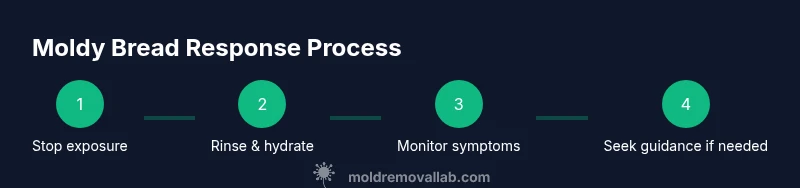
First, remove yourself from the source and stop eating any more moldy bread or moldy foods. Seal the package to prevent the mold from spreading and dispose of it in a sealed trash bag. Do not try to trim mold off or “pick out” parts to eat the rest—mold can penetrate the loaf beyond what you can see. Rinse your mouth with clean water and spit it out to reduce any residual tastes or particles. If you have a mouthful of mold, consider another rinse after a short break. Hydration matters, so drink a glass of water and rest for a few minutes if you feel unsettled. If you wear dentures or a mouth-guard, remove and rinse them as well. Keeping you calm and minimizing exposure helps you assess symptoms accurately and seek guidance if needed.
tip1_dio_1_1:
Tools & Materials
- Clean water(For mouth rinsing and hydration during the response process)
- Notebook or phone(Record onset time of symptoms and any changes in how you feel)
- Sealable trash bag(Dispose of moldy bread safely to prevent spread in the home)
- Soft cloth or paper towels(Dry hands and clean any spills around the disposal area)
- Optional mouth rinse(If available, a simple saltwater rinse can provide extra cleansing)
Steps
Estimated time: 60-90 minutes
- 1
Stop exposure and assess
Immediately stop consuming the moldy bread and remove yourself from the source. Do not eat more moldy food or attempt to salvage contaminated bread by cutting away the mold. Take a moment to note when you ate the bread and how much you consumed.
Tip: Act quickly but calmly to prevent further exposure. - 2
Rinse your mouth with clean water
Rinse your mouth thoroughly with plain water for about 30 seconds, then spit it out. Repeat if needed to remove any lingering taste or particles. Do not swallow mouthwash or other cleaning agents.
Tip: A second rinse can help if you noticed mold tastes after the first rinse. - 3
Hydrate and rest
Drink a glass of water and sit down for a few minutes. Rest helps your body cope with mild irritation or GI upset that may follow mold exposure.
Tip: Avoid alcohol or caffeinated drinks right after exposure, which can irritate the stomach. - 4
Monitor symptoms and document changes
Keep a simple log of symptoms (nausea, vomiting, diarrhea, abdominal pain, wheeze, or skin irritation) and their times. If symptoms worsen or persist beyond 24–48 hours, seek medical advice.
Tip: Note any breathing difficulties or signs of an allergic reaction promptly. - 5
Call a clinician for guidance
Contact your primary care clinician, urgent care, or local poison control line for personalized advice. Share what you ate, when you ate it, and current symptoms.
Tip: Even if you feel better, a quick check-in can provide reassurance and tailored recommendations. - 6
Seek urgent care if red flags appear
Go to urgent care or emergency services if you have trouble breathing, severe abdominal pain, vomiting that won’t stop, high fever, or swelling of the face or throat.
Tip: Call ahead if you are able so staff can prepare for your visit. - 7
Prepare information for your clinician
Be ready to describe the bread type, mold appearance if noticed, and any home remedies tried. Include any preexisting conditions that affect your risk (e.g., immune suppression, asthma).
Tip: Bringing a photo of the bread packaging can help with identification. - 8
Dispose of moldy bread and clean the area
Place the moldy bread in a sealed bag and discard it. Clean the surfaces where mold was present with mild soap and water, then dry completely. Wash your hands thoroughly after handling contaminated items.
Tip: Prevent cross-contamination by washing hands before touching other foods. - 9
Plan preventive steps for the future
To reduce mold risk, store bread properly (refrigerate or freeze if you won’t eat it soon), check expiration dates, and ensure good kitchen ventilation and low humidity to deter mold growth.
Tip: Label bags with dates if freezing bread in portions.
FAQ
Is it dangerous to eat moldy bread?
Most healthy people experience mild symptoms or none at all after accidentally eating moldy bread. The risk is higher for those with mold allergies or weakened immune systems. If symptoms persist or worsen, consult a clinician.
Most people recover with observation, but seek medical care if symptoms don’t improve or if you have trouble breathing or severe abdominal pain.
Should I induce vomiting after eating moldy bread?
No. Do not induce vomiting unless instructed by a clinician. Vomiting can cause additional irritation and isn’t guaranteed to remove the mold exposure.
Don’t try to make yourself vomit; instead, seek medical guidance if you’re concerned.
Can mold on bread cause poisoning?
Mold on bread can irritate the stomach or trigger allergies, but poisoning is uncommon in healthy individuals. The risk depends on mold type and amount eaten.
Poisoning is unlikely for most people, but symptoms should be watched closely.
When should I see a doctor after eating moldy bread?
If you have persistent vomiting, severe abdominal pain, fever, breathing difficulties, or if you’re immunocompromised, consult a clinician promptly.
If severe symptoms appear, don’t delay—seek medical care right away.
How can I store bread to prevent mold?
Keep bread sealed and refrigerate or freeze if you won’t eat it soon. Store in a cool, dry place and check expiration dates regularly.
Store it cold or freeze to slow mold growth and reduce waste.
Watch Video
The Essentials
- Stay calm and act quickly after exposure
- Rinse, hydrate, and monitor symptoms for 24–72 hours
- Seek medical advice if symptoms persist or worsen
- Prevent future mold growth with proper storage and handling