Treatment for Black Mold Illness: A Practical Guide for Homeowners
A comprehensive, step-by-step guide to recognizing mold-related health issues, seeking medical care, and safely remediating mold at home to reduce exposure and prevent recurrence.


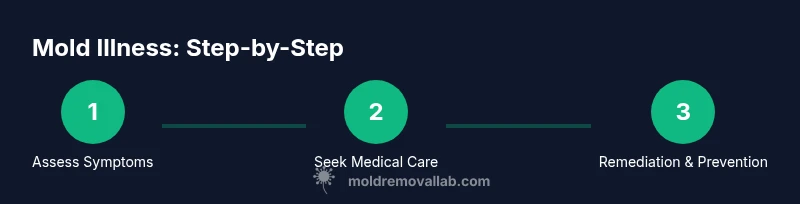
If you suspect a mold-related illness, your immediate goal is to reduce exposure and obtain medical evaluation. This quick guide outlines symptoms linked to black mold, how clinicians diagnose mold illness, and practical steps for safe home remediation. By combining medical care with environmental control, you can lower health risks and support recovery.
Understanding Black Mold Illness and Why Treatment Matters
Mold exposure, especially to species commonly labeled as black mold, can trigger a range of health effects—from mild allergic reactions to more concerning respiratory symptoms. The exact response depends on your sensitivity, the amount of exposure, and the duration of contact. A formal, evidence-based approach to treatment for black mold illness starts with medical evaluation, followed by environmental controls to minimize ongoing exposure. According to Mold Removal Lab, early attention to mold-related symptoms improves outcomes and helps prevent chronic issues. This article outlines what to watch for, how clinicians assess mold illness, and practical steps homeowners can take to protect health while addressing indoor mold sources.
Understanding these principles helps you make informed decisions about when to treat through a clinician and how to coordinate remediation with home maintenance.
Recognizing Symptoms Linked to Mold Exposure
Mold illness can present with a spectrum of symptoms. Common respiratory signs include coughing, wheezing, nasal congestion, and throat irritation. People with asthma or allergies may experience exacerbations, while some individuals report fatigue, headaches, or skin irritation after indoor exposure. Mold can also worsen underlying conditions such as chronic obstructive pulmonary disease (COPD) or sinus infections. If symptoms persist for days to weeks, especially in spaces with visible mold or after moisture events, it’s time to seek medical advice. The goal is to differentiate mold-related effects from other illnesses and to identify whether environmental remediation is necessary to improve health outcomes.
As you evaluate symptoms, document timing relative to occupancy in specific rooms, moisture events, or renovations. This record helps clinicians determine whether mold exposure is a contributor and informs both treatment and remediation planning.
Medical Evaluation: What Doctors Look For
A clinician will take a detailed exposure history, review symptoms, and perform a physical examination. Diagnostic steps may include lung function tests, imaging if respiratory symptoms are significant, and allergy testing if appropriate. Blood work can help rule out other conditions, while clinicians assess whether symptoms align with mold exposure or an underlying condition that requires specialty care. In some cases, the clinician may recommend environmental testing or refer you to an indoor air quality professional for a joint assessment. The aim is to confirm a mold-related illness and create a treatment plan that includes both symptom management and exposure reduction.
Patients should bring records of moisture problems, mold growth, cleaning attempts, and any self-treatment attempts. Open communication with your healthcare provider ensures you receive appropriate recommendations, including when to pursue specialist care or further testing.
Common Treatments and What to Expect
Treatment for mold-related illness typically centers on symptom relief, managing inflammation, and addressing exposure sources. Medical approaches may include antihistamines or nasal corticosteroids for allergic-type symptoms, inhaled bronchodilators for wheeze, and, in some cases, antibiotics if a secondary infection is suspected. It is essential to follow a clinician’s guidance rather than self-prescribing medications. In addition to pharmaceutical management, clinicians often recommend environmental controls—reducing humidity, fixing leaks, and removing mold sources—to prevent recurrence. Expect a plan that may involve short-term symptom relief plus longer-term strategies to minimize re-exposure. It’s important to monitor progress and schedule follow-ups to assess response to treatment and remediation efforts.
For many patients, symptom improvement occurs after addressing both medical needs and environmental sources. The Mold Removal Lab approach emphasizes coordinating care with remediation professionals to support recovery and prevent future health issues linked to ongoing mold exposure.
Environmental Control: Stopping Exposure at Home
Reducing indoor mold requires controlling moisture and improving air quality. Immediate steps include fixing leaks, drying areas thoroughly within 24-48 hours after moisture events, and using dehumidifiers to maintain indoor humidity below 50%. Regular cleaning with non-ammonia detergents and using HEPA-filtered vacuums can help, but porous materials with visible mold should be considered for removal and replacement rather than cleaning. Sealing off affected areas during remediation protects occupants and workers. A comprehensive plan also involves improving ventilation in bathrooms, kitchens, and laundry spaces, and ensuring proper drainage around the home’s foundation. These environmental controls complement medical treatment and reduce the likelihood of recurrent symptoms.
Mold Removal Lab analyses emphasize that environmental controls are not optional add-ons; they are essential components of a successful recovery strategy and long-term health safety. Planning with a professional remediation contractor can ensure the work is thorough and compliant with safety guidelines.
Step-by-Step Home Remediation: When to DIY vs Hire Pros
Remediation decisions depend on the size of the problem, the location, and safety considerations. If the affected area is small (less than 10 square feet) and you can safely access it, you may perform limited remediation using protective gear and containment. For larger areas, hidden mold, or mold in HVAC systems, professional remediation is strongly recommended. Always avoid disturbing mold in ways that release spores into living spaces.
Key actions include: (1) isolate the area, (2) wear appropriate PPE, (3) remove contaminated materials, (4) clean surfaces with recommended solutions, and (5) verify results with a follow-up assessment. Documentation of the work helps ensure accountability and future prevention. When hiring pros, request access to air sampling data and remediation methods to confirm thorough mold removal while protecting occupants.
Protective Measures and Personal Safety
Your safety matters during all stages of assessment and remediation. Use a properly fitted respirator (N95 or better), gloves, eye protection, and disposable coveralls when handling contaminated materials. Never mix cleaning agents without guidance, and avoid creating aerosols in moldy spaces. Children, pregnant people, and individuals with asthma or immune concerns should avoid affected areas until remediation is complete. Ventilation is important, but during cleaning, containment may be necessary to prevent mold spores from spreading. Always dispose of contaminated materials in sealed bags and wash hands thoroughly after handling.
The best outcomes come from careful, informed steps that balance medical care with environmental remediation and occupant safety. Mold Removal Lab’s guidance stresses the importance of professional input when the mold problem is extensive or the indoor environment remains damp after remediation.
Long-Term Health Considerations and Follow-Up
Even after mold removal and symptom improvement, some individuals may experience lingering fatigue or respiratory sensitivity. It is wise to schedule follow-up visits with your clinician to monitor progress, especially if symptoms recur after returning to previously moldy spaces. Long-term prevention includes addressing moisture sources, improving ventilation, and maintaining a clean, dry environment. If new symptoms arise, re-evaluate both health and environmental conditions. Renting or owning a home may require ongoing moisture management strategies and periodic inspections to ensure mold does not return. Stay informed about indoor air quality and seek guidance from healthcare and remediation professionals when needed.
The Mold Removal Lab team encourages ongoing collaboration between occupants, clinicians, and remediation specialists to maintain a safe living environment and support enduring health.
Resources for Caregivers and Renters
Caregivers and renters have unique concerns about mold exposure. Seek trustworthy, science-backed information, work with landlords to address moisture problems, and know your rights regarding safe living conditions. Documentation, such as moisture logs, remediation quotes, and medical notes, can facilitate timely action. Use reputable sources from public health agencies and universities to guide decisions, and consider renting a portable air purifier if advised by a clinician or indoor air quality professional. This information can help you navigate the practical steps required to protect families from black mold illness and maintain a healthier home environment.
Tools & Materials
- N95 or P100 respirator(Fit-tested if possible; replace filters regularly)
- Goggles or eye protection(Clear lenses; wraparound style preferred)
- Disposable coveralls(Impermeable, with hood if possible)
- Nitrile or latex gloves(Long-cuff; multiple pairs for disposal)
- HEPA-filter vacuum(Certified HEPA; avoid sweeping moldy debris)
- Detergent and water(Mild detergent for initial cleaning)
- Disposable plastic sheeting(To contain the work area; seal doors)
- Trash bags (heavy-duty)(Seal tightly; double bag if heavily contaminated)
- Moisture meter (optional)(Helps monitor humidity and moisture sources)
- Dehumidifier(Keep humidity below 50% in affected areas)
Steps
Estimated time: 2-6 weeks for initial medical + remediation steps
- 1
Schedule medical evaluation
Arrange a visit with your healthcare provider to discuss mold exposure and symptoms. Bring notes on moisture events and any prior treatments. A clinician can guide appropriate testing and treatment, and determine whether environmental factors may be contributing to symptoms.
Tip: Prepare a symptom diary and exposure timeline to share with the clinician. - 2
Document exposure sources
Identify rooms or areas with visible mold, leaks, or dampness. Take photos, record dates of moisture incidents, and note any cleaners used. This helps patients and clinicians coordinate medical care with remediation.
Tip: Keep a simple log for quick reference during visits. - 3
Stop further exposure at home
Contain the area to prevent mold spread. Avoid disturbing moldy materials, reduce humidity, and correct leaks where possible. If you must enter, wear PPE and limit the time you spend in affected zones.
Tip: Do not attempt aggressive mold scraping in living spaces without proper containment. - 4
Follow medical testing and treatment plan
Complete clinician-recommended tests and follow prescribed medications or therapies. Do not self-prescribe or abruptly stop medications. Report any adverse reactions to your clinician.
Tip: Adhere to the prescribed schedule and report concerns promptly. - 5
Coordinate environmental remediation
Work with licensed professionals to remediate mold sources, remove contaminated materials, and improve ventilation. Obtain quotes and ask for documentation of containment and air-quality measures.
Tip: Ask for remediation plans and post-remediation verification. - 6
Monitor symptoms and adjust plan
Track changes in symptoms after medical treatment and remediation. Schedule follow-up appointments to assess recovery and address any persistent or recurring issues.
Tip: Keep a symptom and exposure log to support ongoing care.
FAQ
What is black mold illness and how can it affect health?
Black mold illness refers to health effects from exposure to certain mold species. Symptoms may include respiratory irritation, allergies, persistent cough, and fatigue. Severity varies by individual and exposure level. Seek medical evaluation if symptoms persist after being in damp spaces.
Black mold illness involves symptoms like coughing and nasal irritation after mold exposure. See a clinician if symptoms linger after exposure.
When should I seek urgent care for mold exposure?
If you experience severe shortness of breath, chest pain, confusion, fainting, or signs of a serious allergic reaction, seek urgent care immediately. For ongoing symptoms that don’t improve after a few days, contact your healthcare provider.
Go to urgent care if you have trouble breathing or chest pain; otherwise schedule a regular appointment to review symptoms.
Can I clean mold myself at home?
Light, small-scale mold in non-porous areas can sometimes be addressed with appropriate PPE and cleaning products. Large areas, porous materials, or mold inside HVAC systems should be handled by professionals to prevent spread and exposure.
Small mold on non-porous surfaces might be cleaned with care, but big problems need pros.
What environmental steps reduce mold after exposure?
Fix moisture sources, improve ventilation, and maintain humidity below 50%. Regular cleaning with safe detergents and appropriate containment during cleaning can help prevent recurrence.
Fix leaks, dry areas quickly, and keep humidity down to prevent mold from coming back.
How long does remediation take and what should I expect?
Remediation duration depends on the extent of contamination. Expect a timeline from a few days to several weeks, with post-remediation verification and improved moisture controls to prevent recurrence.
Remediation can take days to weeks, plus follow-up checks to ensure mold is gone.
Is mold exposure harmful to pets?
Yes, pets can suffer allergic reactions and respiratory issues from mold exposure. Protect animals by reducing indoor mold and seeking veterinary care if they show symptoms.
Pets can be affected too; watch for coughing or breathing trouble and consult a vet if concerns arise.
Watch Video
The Essentials
- Act quickly to reduce mold exposure and seek medical advice.
- Coordinate medical care with professional remediation for lasting safety.
- Keep humidity under 50% and fix moisture problems to prevent recurrence.
- Document symptoms and moisture events to inform treatment and remediation.
- Choose professional remediation for large mold problems and ensure post-remediation verification.