Treat Mold Exposure: A Practical, Step-by-Step Guide
Practical steps to treat mold exposure at home, protect health, and prevent recurrence with Mold Removal Lab's expert guidance.


This guide helps you treat mold exposure at home by outlining immediate safety steps, how to evaluate symptoms, basic DIY cleanup where appropriate, and when to call a professional. You’ll learn how to minimize health risks, control moisture, and prevent recurrence while keeping your household safe.
Why treating mold exposure matters
Mold exposure can affect breathing, skin, and overall health, especially for children, older adults, and people with allergies or asthma. If you suspect exposure, the goal is to reduce inhalation of mold spores, limit moisture, and start a safe cleanup plan. According to Mold Removal Lab, taking prompt, structured action when exposure is suspected can significantly reduce risk and speed recovery. The Mold Removal Lab team found that even low levels of mold in living spaces can trigger coughing, wheeze, and sinus irritation in sensitive individuals, underscoring the importance of treating mold exposure early and effectively.
In many homes, exposure arises from hidden moisture behind walls, under sinks, or in basements. A patient, or resident, might not notice symptoms until days or weeks after a moisture event. Treating mold exposure is not just about cleaning visible growth; it’s about stopping the moisture, cleaning safely, and preventing regrowth through durable moisture-control practices. This section lays a practical foundation for both prevention and remediation in everyday homes.
Recognizing symptoms and when to seek care
Exposure symptoms vary by person but commonly include cough, nasal congestion, irritated eyes, sinus pressure, wheeze, and skin irritation. Some individuals may experience fatigue, headaches, or muscle stiffness after prolonged exposure. If symptoms worsen with time or are accompanied by fever, chest tightness, or shortness of breath, seek medical attention promptly. While many mold-related symptoms are mild and short-lived, persistent exposure can aggravate asthma or allergies and require medical evaluation. The Mold Removal Lab team emphasizes that health comes first; if you have a preexisting condition or suspect a high exposure, consult a healthcare professional even before starting cleanup steps. Early medical advice helps tailor treatment, especially for children, pregnant individuals, or immune-compromised residents.
Immediate steps if exposure is suspected
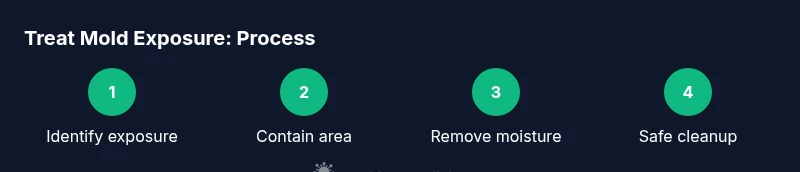
- Leave the affected area if symptoms are severe, and ventilate by opening windows where safe. 2) Wear proper PPE—an adjustable respirator, nitrile gloves, and eye protection—before re-entering the space. 3) Limit cross-contamination by sealing off the space with plastic sheeting and using separate cleaning tools for the affected area. 4) Document moisture sources and take photos for future remediation plans. 5) Begin moisture reduction measures (drying, dehumidification) while planning professional help if growth is extensive. 6) Avoid disturbing molds on porous materials, which can release spores into the air. The priority is reducing exposure and preventing spread while you gather information for a remediation plan.
Tools, materials, and safety precautions you’ll need
- PPE: N95 or P100 respirator, safety goggles, nitrile gloves, disposable coveralls (optional but recommended for large jobs)
- Cleaning supplies: mild detergent, water spray bottle, disposable rags, plastic sheeting, tape
- Moisture control: dehumidifier or fans, moisture meter if available
- Containment: heavy-duty trash bags, tape, scissors for cutting plastic
- Optional: HEPA vacuum for dry cleanup, desiccants for fast drying
Safety note: Never mix ammonia with bleach; exposure to mixed cleaning agents can create toxic gases. If mold growth is extensive, or if you’re dealing with structural dampness, contact a licensed professional for remediation.
Finding and addressing moisture sources
Mold growth is fueled by moisture. Start by identifying the moisture source(s)—a leaky roof, plumbing defect, condensation on windows, or high humidity in poorly ventilated areas. Inspect ceilings, walls, basements, and crawl spaces, paying close attention to areas that have had leaks or flooding. Once you know the source, repair should be prioritized alongside cleanup. In many homes, condensation on windows or poor ventilation contributes more to mold risk than visible growth, so improving air exchange and insulating surfaces can dramatically reduce recurrence.
After repairs begin, ensure the area is thoroughly dried within 24–48 hours. Moisture meters can help, but visual cues like absence of dampness and no musty odor are reliable indicators of a reduced risk. Keeping humidity under 50% (ideally 30–40%) in living spaces is a practical target for most homes.
Cleaning vs. remediation: when to DIY and when to call a pro
DIY cleaning works well for small, non-porous surfaces (glass, metal, tile) and light, non-extended growth. For porous materials like drywall, carpet, or ceiling tiles, or when mold covers hidden areas, professional remediation is recommended. DIY attempts on large areas can lead to mold re-growth if moisture sources aren’t fully controlled. The decision to DIY should weigh the area size, material type, and the likelihood of hidden growth behind walls. If you’re unsure, start with a conservative plan: isolate the space, use proper PPE, and seek professional guidance if growth extends beyond 10 square feet or recurs after cleaning.
Safe cleaning methods for common surfaces
- Non-porous surfaces (tiles, glass, metal): use detergent and water, or a diluted bleach solution if approved for the surface and local guidelines allow it. Rinse and dry completely.
- Porous surfaces (drywall, fabric, carpet): if visible growth is entrenched, remove and replace the affected material; do not attempt to salvage with cleaning.
- Avoid over-wetting; moisture drives regrowth. Work in small sections, drying each area before moving on. For stubborn spots, use a mild detergent and a brush, followed by thorough drying.
Always test a hidden area first to ensure cleaners won’t damage finishes. Ventilate while cleaning and wear respiratory protection to minimize inhalation of spores.
Drying, ventilation, and preventing recurrence
After cleaning, drying is critical. Use fans and dehumidifiers to achieve a moisture level below 50% throughout the space within 24–72 hours. Keep doors and windows open if weather permits, and use exhaust fans in kitchens and bathrooms. Regularly monitor humidity with a hygrometer and address leaks promptly. A preventative routine should include routine moisture checks after rain, a quick inspection of plumbing every few months, and a plan to address any signs of water intrusion immediately.
Preventive maintenance is cheaper and safer than repeated remediation. Consistent moisture control reduces mold growth and helps protect occupant health over time. A well-ventilated, dry home supports breathable air and minimizes future exposure risk.
When to bring in professionals for mold exposure treatment
If you notice extensive or rapidly growing mold, structural staining, or persistent musty smells after cleaning, it’s time to call a licensed mold remediation specialist. Large areas, or growth on unpredictable substrates (like foam insulation or inside wall cavities), require professional containment, specialized equipment, and post-remediation verification. Professionals can also identify hidden moisture sources and provide a documentation trail that’s useful for insurance claims and future prevention plans. The Mold Removal Lab team recommends seeking professional help for any growth beyond a small, easily accessible area or if there are ongoing health concerns.
Documentation, testing, and follow-up after treatment
Keep a remediation log that documents when growth was observed, cleanup steps taken, moisture readings, and any medical symptoms reported by household members. Consider post-remediation testing if growth recurs or if a medical professional recommends it for sensitive individuals. Many households benefit from a follow-up inspection 3–6 months after remediation to ensure conditions remain stable and moisture issues are resolved. Certified inspectors can provide a formal report that supports ongoing prevention efforts and helps with insurance documentation.
Creating a mold-free home: a practical action plan for households
Develop a simple, actionable plan that includes: 1) daily moisture awareness (check humidity, fix leaks promptly), 2) a cleaning rotation for non-porous surfaces, 3) a quarterly space check for hidden damp areas (basements, crawl spaces, behind appliances), and 4) a medical alert for family members who may be more susceptible. Share the plan with all household members and assign responsibilities. The Mold Removal Lab team emphasizes that consistent, small steps beat large, infrequent efforts when it comes to preventing mold growth and protecting health.
Quick reference checklist for treating mold exposure at home
- Identify moisture sources and fix leaks.
- Wear PPE before any cleanup.
- Isolate the area to prevent cross-contamination.
- Clean non-porous surfaces; replace porous materials.
- Dry thoroughly within 24–72 hours.
- Monitor humidity and maintain below 50%.
Authoritative sources and ongoing education
For further guidance, consult reputable health and safety sources. Always align practices with local regulations and insurer requirements. See resources from federal agencies for mold-related health guidance and remediation standards.
- Authoritative sources: https://www.epa.gov/mold, https://www.cdc.gov/mold/index.html, https://www.osha.gov/mold
Tools & Materials
- N95 respirator or P100 mask(Fit-tested if possible; ensure proper fit before work.)
- Safety goggles or prescription eye protection(Protect eyes from splash and spores.)
- Nitrile gloves(Choose chemical-resistant gloves; disposable is preferred.)
- Disposable coveralls (optional but recommended for large jobs)(Keeps clothing clean and reduces cross-contamination.)
- Plastic sheeting and tape(Create containment barriers for the work area.)
- Detergent and mild cleaning solution(Use non-ammonia cleaners; test surfaces first.)
- Spray bottle with water(Mist to minimize dust during cleaning.)
- Rags or disposable towels(Use single-use materials to prevent spreading spores.)
- Trash bags (heavy-duty)(Seal and dispose of contaminated materials safely.)
- Dehumidifier or fans(Speed up drying and reduce humidity.)
- HEPA vacuum (optional)(Use only after heavy cleaning is done to minimize dust.)
- Moisture meter (optional)(Helps verify drying progress.)
Steps
Estimated time: 2-6 hours
- 1
Assess exposure and safety
Evaluate symptoms, determine area scope, and plan containment. If symptoms are severe, seek medical advice and avoid extended exposure during cleaning.
Tip: Start with a quick health check for vulnerable household members (children, elderly, asthma sufferers). - 2
Shut moisture sources and contain
Repair leaks if visible, and seal the area with plastic sheeting to prevent spore spread. Keep doorways closed and use tape to seal seams.
Tip: Containment reduces cross-contamination and protects other rooms. - 3
Protect yourself with PPE and prepare area
Put on an N95 mask, goggles, and gloves before touching affected materials. Remove clothing and bag it after work.
Tip: Proper PPE is non-negotiable for safety. - 4
Clean non-porous surfaces
Wipe surfaces with mild detergent and water; rinse and dry completely. For light mold, a diluted cleaner can be used with a scrub brush.
Tip: Avoid soaking surfaces to prevent moisture buildup. - 5
Assess and remove porous materials
Porous materials with mold growth (drywall, certain fabrics) often need removal and replacement rather than cleaning.
Tip: When in doubt, replace suspect materials to prevent recurrence. - 6
Dry thoroughly and monitor progress
Use dehumidifiers and fans to reach <50% humidity and ensure everything dries within 24–72 hours.
Tip: Recheck areas for signs of moisture after cleaning. - 7
Revisit moisture control and prevention
Repair ongoing moisture issues and improve ventilation to prevent future growth.
Tip: Long-term prevention requires addressing root causes.
FAQ
What does it mean to treat mold exposure?
Treating mold exposure involves reducing contact with mold, controlling moisture, cleaning safely, and taking steps to prevent recurrence. It also includes seeking medical advice if symptoms persist or worsen.
Treating mold exposure means reducing contact, cleaning safely, and preventing future mold growth, while watching for health symptoms and seeking medical help when needed.
Is it safe to DIY mold cleanup?
DIY cleanup is feasible for small, non-porous areas and minimal growth. For large areas, porous materials, or hidden growth, professionals should be involved to ensure complete removal and moisture control.
DIY cleanup is possible for small areas, but for bigger jobs or hidden mold, call a pro.
When should I see a doctor about mold exposure?
See a doctor if you have persistent cough, wheeze, chest tightness, or skin or eye irritation that doesn’t improve after cleaning. Individuals with asthma, allergies, or immune issues should seek medical advice sooner.
If symptoms persist or worsen after cleanup, consult a healthcare provider.
Do I need post-remediation testing after cleanup?
Post-remediation testing can confirm mold removal success, especially in sensitive households. It’s not always necessary for small jobs but is recommended when there was extensive growth or ongoing symptoms.
Testing helps confirm the space is mold-free after remediation.
Can mold exposure have long-term health effects?
Chronic exposure can worsen asthma, allergies, and respiratory conditions in susceptible people. Short-term symptoms often improve after cleanup, but ongoing exposure may require medical management.
Long-term health effects are more likely with ongoing exposure, especially for sensitive individuals.
What maintenance helps prevent mold recurrence?
Keep humidity below 50%, fix leaks promptly, vent moist areas (kitchens, bathrooms), and inspect hidden spaces like basements and crawl spaces regularly.
Preventing mold means keeping moisture low and inspecting spaces often.
Watch Video
The Essentials
- Wear proper PPE before any cleanup
- Control moisture to stop mold growth
- Differentiate DIY cleanup from professional remediation
- Replace porous materials when needed to prevent regrowth
- Maintain humidity under 50% to minimize recurrence