How Is Mold Toxicity Diagnosed: A Practical Guide
Meta description: Learn how mold toxicity is diagnosed, including medical history, exposure assessment, laboratory tests, and practical steps to prepare for evaluation. A clear, actionable guide for homeowners and renters.


How is mold toxicity diagnosed? This quick guide outlines the essential steps: a clinician reviews medical history and exposure, followed by selective tests to assess immune response and symptoms. You’ll learn common tests, how results are interpreted, and practical steps to prepare for evaluation. Always consult a healthcare professional for a personalized plan.
What mold toxicity is and why diagnosis matters
Mold toxicity is not a single disease but a spectrum of symptoms and immune responses triggered by exposure to mold and mycotoxins. People experience fatigue, cognitive fog, respiratory irritation, skin reactions, or headaches, and these signs can resemble other health issues. A careful diagnosis helps distinguish mold-related illness from allergies, infections, or chronic conditions, enabling targeted treatment and environmental fixes. According to Mold Removal Lab, many cases go undiagnosed or misattributed without a structured evaluation that combines medical history, exposure assessment, and appropriate testing. The goal is not only to identify an illness but to identify the mold sources in the home or workplace and remedy them to prevent ongoing exposure. The first step is recognizing that symptoms may be intermittent and context-dependent, often worse after active mold growth or in damp spaces. Clinicians typically look for patterns across multiple symptoms, timing with environmental changes, and whether tests support a mold-related mechanism. This section sets the foundation for the diagnostic journey and explains why a comprehensive approach yields the best results.
The diagnostic pathway: history, symptoms, and exposure assessment
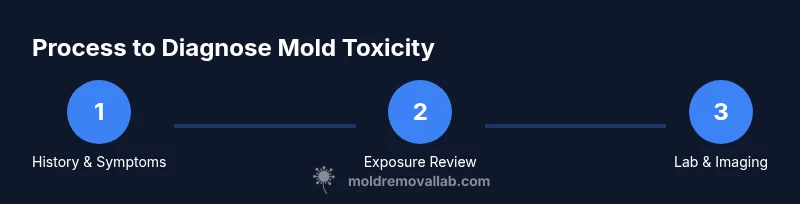
The journey to diagnose mold toxicity begins with a thorough history and careful symptom documentation. Patients are asked about onset and progression of symptoms, places where they spend most of their time, and periods when symptoms worsen—particularly after residence in damp areas or after water damage. Clinicians also collect information about immune status, existing chronic conditions, medications, and prior environmental exposures. An exposure assessment identifies likely sources, such as water-damaged walls, leaky plumbing, or high humidity that fosters mold growth. The Mold Removal Lab team emphasizes that examining a person’s daily environments helps distinguish mold-related illness from other conditions like allergies or chemical sensitivities. In many cases, history and exposure cues guide which tests to order and how to interpret results. This pathway is not a one-size-fits-all checklist; it requires personalized consultation and may involve iterative testing to confirm which mold species or metabolites are relevant to a patient’s health.
Laboratory tests and screening tools used in diagnosis
There is no single test that proves mold toxicity. Clinicians use a combination of tests to assemble a clinical picture. Common elements include a targeted medical history, allergen panels, and objective measurements such as complete blood count and inflammatory markers. Some clinicians order mold-specific IgE or IgG panels to assess sensitization or exposure, while others monitor inflammatory or autoimmune indicators if symptoms are systemic. Some labs offer mycotoxin testing on urine or serum, but interpretation is nuanced: a positive result may reflect exposure without clinical illness, and negative results do not always rule out sensitivity. Imaging studies, chest function tests, or neurocognitive assessments may be used if respiratory or neurological symptoms are prominent. The key is clinical correlation: results must be interpreted in the context of symptom patterns, exposure history, and physical examination. The Mold Removal Lab guidance notes that test availability and interpretation vary, so working with a knowledgeable clinician is essential.
Interpreting results and diagnostic considerations
Interpreting a mold-toxicity workup involves weighing the strength and relevance of each data point. A single abnormal result rarely proves illness; rather, clinicians look for consistent patterns across history, exposure, and test results. They consider the timing of symptoms, dose-response relationships, and whether environmental remediation leads to improvement. False positives and cross-reactivity can complicate interpretation; some tests may indicate sensitization without actual disease. Clinicians may categorize findings as probable, possible, or inconclusive depending on the overall picture. Because mold exposure is common in many indoor environments, context is critical: a mild lab anomaly in a person with no symptoms may not justify aggressive treatment, while clear symptom-exposure links with supportive test trends can guide targeted therapy and remediation plans.
Environmental assessment and differential diagnosis
Beyond biology, the environment plays a central role in diagnosis. Indoor air testing, surface sampling, and moisture assessments help identify sources while acknowledging limitations: many mold fragments are not easily captured, and levels can fluctuate with weather and ventilation. Medical professionals also consider other conditions that mimic mold-related illness, such as chronic fatigue syndrome, Lyme disease, autoimmune disorders, or chemical sensitivities. A robust diagnostic approach integrates environmental findings with patient history, symptom clusters, and response to remediation attempts. The Mold Removal Lab team recommends a cautious, stepwise plan to avoid over-treatment and unnecessary costs while ensuring safety.
Practical steps to prepare for evaluation and what to expect
Preparing for a mold toxicity evaluation involves organizing key information and setting realistic expectations. Start by compiling a detailed history of symptoms, their onset, and any correlation with damp environments or water incidents. Gather medical records, prior test results, and information about medications or supplements. Maintain an exposure diary noting where you spend time, whether rooms feel damp, and any visible mold. Discuss with your clinician which tests are appropriate and how scheduling may affect your timeline. Many patients need several appointments, lab visits, and possibly home or workplace assessments before a clear diagnosis emerges. While the process may feel lengthy, documenting carefully at the outset reduces back-and-forth and speeds up decision-making. The Mold Removal Lab guidance underscores the value of proactive preparation and collaboration with healthcare providers to ensure patient safety and clarity throughout the journey.
Safety, myths, and when to seek professional help
Mold toxicity diagnosis requires careful clinical judgment rather than a single lab result. Be wary of test-only conclusions or do-it-yourself remediation claims. If you experience severe symptoms—shortness of breath, chest tightness, or neurological changes—seek immediate medical attention. For persistent symptoms with suspected mold exposure, consult a clinician who specializes in environmental health or an allergist. Remember that environmental remediation should be guided by professional assessments to ensure safety and effectiveness. The Mold Removal Lab team emphasizes coordinating with healthcare professionals and certified remediation specialists to protect household members and prevent re-exposure. A thoughtful, evidence-based approach provides the best path to recovery and a healthier indoor environment.
Tools & Materials
- Health records and prior test results(Bring any prior mold-related tests, allergen panels, imaging, or blood work.)
- Exposure diary or home assessment notes(Record dates, locations, suspected mold sources, and any remediation steps taken.)
- Clinical contact information(Primary care physician, allergist, or environmental health specialist contact details.)
- Medical and insurance information(Carry insurance cards and any relevant authorization forms.)
- Notebook or digital device(For recording questions and clinician instructions during visits.)
Steps
Estimated time: 2-8 weeks (varies by test availability and scheduling)
- 1
Gather medical history and exposure diary
Compile symptom timelines, locations (home, work), and possible mold exposure events. Include water damage incidents and changes in humidity. This sets the foundation for targeted testing.
Tip: Include dates, room names, and what you were doing when symptoms flared. - 2
Consult a healthcare professional
Schedule a visit with a clinician experienced in environmental health or allergology. Share your diary and records to help tailor testing.
Tip: Ask about the clinician’s experience with mold-related illnesses and testing options. - 3
Request a targeted testing plan
Work with your clinician to decide which tests are appropriate (e.g., allergen panels, blood work, or mycotoxin screening) based on symptoms and exposure history.
Tip: Clarify what each test can and cannot tell you about your health. - 4
Complete prescribed tests and evaluations
Attend all tests as scheduled and follow any preparatory instructions (e.g., fasting, medication holds). Collect results and notes for review.
Tip: Request copies of all results and ask for plain-language explanations. - 5
Review results with your clinician
Discuss how findings fit your exposure history and symptoms. Decide on next steps, including environmental remediation and medical management if needed.
Tip: Ask about the reliability and limitations of each test and how remediation may affect symptoms. - 6
Plan follow-up and monitor progress
After remediation or treatment, schedule follow-up to assess symptom changes and determine if further testing is necessary.
Tip: Document changes after remediation to track improvement or persistent issues.
FAQ
What symptoms may indicate mold toxicity?
Symptoms vary widely and can include fatigue, cognitive issues, respiratory irritation, and headaches. They overlap with other conditions, so medical assessment is essential.
Mold-related symptoms can vary and overlap with other illnesses; see a clinician for a proper evaluation.
Are there specific blood tests for mold toxicity?
There is no single definitive blood test for mold toxicity. Clinicians use panels and markers in context with exposure and symptoms.
There isn’t one blood test that proves mold toxicity; doctors interpret several tests together with your history.
How long does diagnosis take?
Diagnosis duration depends on test availability and scheduling. Some results come quickly; others require follow-up and multiple tests.
Diagnosis can take days to weeks depending on tests and scheduling.
Can I diagnose mold toxicity at home?
Home tests can indicate exposure but are not diagnostic. A clinician evaluation is required for an official diagnosis.
Home tests aren’t enough to diagnose mold toxicity; you need a clinician.
What should I do if mold is found at home?
Limit exposure, fix the mold source, and consult a clinician for testing and remediation guidance.
If you find mold, limit exposure and seek professional advice for testing and remediation.
Who can help with diagnosis?
Your primary care doctor, an allergist, or an environmental health specialist can guide diagnosis and plan.
Your doctor or an environmental health expert can help with diagnosis.
Watch Video
The Essentials
- Understand mold toxicity as a clinical syndrome, not a single disease
- Prepare a comprehensive history and exposure diary
- Use a tailored test plan guided by a skilled clinician
- Interpret results in the context of symptoms and environment
- Coordinate remediation with medical follow-up for best outcomes