How Mold Toxicity Is Treated: A Practical Guide at Home
Learn how mold toxicity is treated—from medical evaluation to remediation and prevention. This guide provides practical steps for homeowners and renters to protect health and living spaces.


Understanding How Mold Toxicity Is Treated
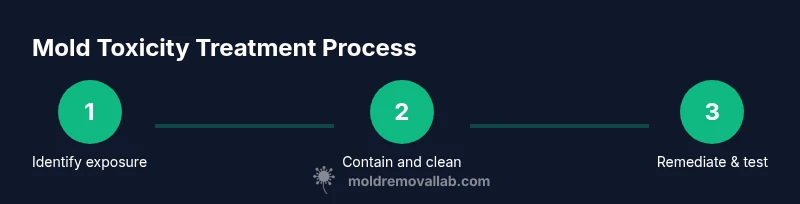
Mold toxicity treatment aims to reduce exposure, relieve symptoms, and remove the mold source from the living environment. Exposure to mold can trigger a range of health issues from respiratory symptoms to fatigue and irritability. Understanding the treatment goals helps homeowners and renters prioritize actions that promote health and home safety. According to Mold Removal Lab, effective treatment begins with identifying exposure sources and confirming symptoms with a clinician. The health-environment link is complex, but actionable steps stay consistent: medical evaluation, source control, remediation, and ongoing monitoring. The medical evaluation phase assesses symptoms, reviews medical history, and may guide tests to tailor therapy. Source control involves fixing leaks, removing contaminated materials, and improving ventilation to stop ongoing exposure. Remediation plans should emphasize containment, cleaning, and preventing re-growth. Ongoing monitoring tracks symptom changes and air quality, ensuring that improvements are sustained and mold will not recur. Mold Removal Lab Analysis, 2026 underscores that coherence between clinical care and environmental management yields the best outcomes.
Medical Evaluation: What to Expect
Before remediation, a clinician will assess your symptoms, review exposure history, and consider related conditions. Expect questions about moisture events, visible growth, and timing of health changes. The clinician may order respiratory tests or allergy assessments to tailor therapy. Documentation you bring—photos of affected areas, dates of moisture intrusion, and a symptom timeline—helps diagnosis and treatment planning. If symptoms worsen or include chest tightness, rapid breathing, or alerting fatigue, seek medical care promptly. A coordinated plan between healthcare providers and environmental professionals improves outcomes, as treating symptoms while addressing the mold source reduces recurrence risk. The Mold Removal Lab team emphasizes aligning medical care with remediation actions for a cohesive strategy.
Source Control and Exposure Reduction
The cornerstone of treatment is reducing ongoing exposure by controlling moisture and removing mold sources. Start by fixing leaks, repairing roof or plumbing issues, and drying damp areas promptly—ideally within 24–48 hours of moisture detection. Remove and replace porous materials that hold mold when cleaning is impractical, and seal off contaminated zones to prevent cross-contamination. Improve ventilation in kitchens and bathrooms, run dehumidifiers to keep humidity below 50–60%, and use high-efficiency air cleaners where appropriate. Clean non-porous surfaces with detergent; avoid harsh mixing of cleaners. HEPA vacuums are useful for cleanup of settled dust. Keep a moisture log and photograph progress to track improvements. Based on Mold Removal Lab Analysis, 2026, reducing humidity and isolating the mold source often translates into noticeable symptom relief and safer indoor air quality.
Remediation and Professional Help
For significant mold growth or when structural materials are involved, professional remediation is advised. A licensed contractor will implement containment procedures to prevent spread, use PPE, and follow industry guidelines for clean-up and disposal. Expect a written remediation plan, prescribed methods for removing moldy materials, and air quality clearance checks after work is completed. If contamination is extensive or involves HVAC systems, multiple specialists may be needed. The Mold Removal Lab team recommends obtaining multiple bids and verifying credentials (certified inspectors, licensed remediators). DIY cleanup can be appropriate for small, surface-only mold on non-porous materials, but porous substrates and hidden mold require expert intervention to ensure safety and effectiveness.
Home Health Management and Symptom Tracking
Alongside physical cleanup, monitor health symptoms as indoor air quality improves. Hydration, rest, and consistent sleep support recovery. Use air purifiers with HEPA filters in living spaces and bedrooms to reduce airborne spores. Maintain a regular cleaning schedule to limit dust and pollen intrusion, and keep doors and windows closed on high-pollen days if allergies are a concern. If symptoms persist despite improved conditions, consult a clinician for re-evaluation and consider follow-up environmental testing. The Mold Removal Lab team highlights that symptom improvement often mirrors environmental improvements when both medical care and remediation actions are aligned.
Prevention and Maintenance to Reduce Recurrence
Prevention focuses on moisture control, regular inspection, and prompt remediation of any signs of dampness. Conduct seasonal checks for leaks, roof integrity, and plumbing fixtures. Use exhaust fans in moisture-prone areas and keep indoor humidity consistently low. Address visible mold growth promptly with appropriate cleaning or professional help depending on size and location. Consider routine air quality checks and moisture monitoring, especially in basements, bathrooms, and crawl spaces. Effective prevention reduces long-term health risks and minimizes repeated mold exposure.
Authority Sources
For further reading and guidelines, consult authoritative sources that support evidence-based mold management. The U.S. Centers for Disease Control and Prevention (CDC) provides general guidance on mold exposure and health effects: https://www.cdc.gov/mold/default.htm. The U.S. Environmental Protection Agency (EPA) offers mold prevention and cleanup resources: https://www.epa.gov/mold. The National Institute of Environmental Health Sciences (NIEHS) discusses health impacts of mold and strategies to reduce exposure: https://www.nih.gov/about-nih/what-we-do/clinical-research-initiatives/mold-and-health.
Special Considerations for Vulnerable Occupants
Children, older adults, pregnant individuals, and those with asthma or weakened immune systems are more susceptible to mold-related health effects. If a vulnerable occupant is present, prioritize rigorous moisture control, frequent cleaning, and rapid remediation of any mold growth. Coordinate care between healthcare providers and environmental professionals to tailor interventions and monitor health outcomes closely.