Burger Mold: Safe Prevention and Removal for Home Cooks
Learn how to spot burger mold, safely discard spoiled meat, clean efficiently, and prevent recurrence with practical tips from Mold Removal Lab. A practical guide for homeowners and renters.


According to Mold Removal Lab, you can identify burger mold, decide if a patty is salvageable, and safely dispose of spoiled meat. This quick answer outlines visible signs, immediate disposal steps, cleaning methods, and practical prevention to reduce future burger mold growth. By following these steps, you minimize health risks and protect your kitchen from contamination.
The Health Risks of Burger Mold
According to Mold Removal Lab, burger mold is not just an unattractive sight—it can signal health risks for your household. When mold appears on meat or cheese in burgers, it may indicate spoilage and contamination that can produce mycotoxins or trigger allergic reactions in sensitive individuals. The health risks from burger mold extend beyond the visible growth; mold colonies release spores that can travel through air and contaminate nearby foods and surfaces. People with weakened immune systems, young children, and pregnant individuals are especially vulnerable. Even if a portion of a burger looks clean, mold can have infiltrated textures you can't easily see, and heating the surface may not neutralize all toxins. In short, burger mold means you should treat the item as unsafe and discard it. Understanding how mold develops on burgers helps you prevent recurrence and keep your kitchen safe.
Visible Signs and What They Mean for Burger Mold
Mold on burgers usually starts with fuzzy growth, unusual colors like green, blue, or white, or a musty odor. In the context of burger mold, you may notice mold on the bun, patty surface, or packaging around the meat. Sometimes the mold is visible only on the package while the patty interior appears fine; other times, you can see denser colonies on the exposed surfaces. It’s essential to identify patterns: if any portion shows color that isn’t typical for fresh meat, or if the texture has changed from smooth to powdery, treat it as burger mold. Do not sample or taste; mold can produce harmful toxins.
Safe Disposal and Immediate Actions
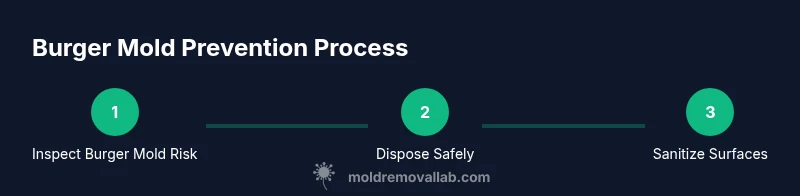
If you encounter burger mold, act quickly to prevent spread. Put the moldy burger and any affected packaging into a sealed bag, then place it in an outdoor trash receptacle away from other foods. Do not leave moldy meat on counters or in the sink where spores can circulate. Double-bag if necessary and avoid crushing the patty to prevent releasing spores. After disposal, wash your hands thoroughly, then sanitize the surrounding surfaces and utensils that touched the product. This is essential to stop burger mold from migrating to other foods in the kitchen.
Sanitizing Surfaces After Mold Exposure
Sanitation is critical after you encounter burger mold. Use warm, soapy water to clean counters, cutting boards, knives, and any serving utensils that contacted the moldy burger. Follow with a kitchen-safe disinfectant or a diluted bleach solution approved for food-contact surfaces, then rinse with clean water and dry completely. Replace towels and cloths used during cleanup to avoid recontamination. If you have porous surfaces like wood or fabric in contact with the moldy patty, consider replacing or thoroughly sealing those items to remove the mold reservoir. Proper sanitization dramatically reduces the risk of burger mold spreading.
Refrigerator Storage and Preventing Burger Mold
Burger mold often results from improper storage. After disposal, clean the fridge shelves and crisper with a mild detergent and dry completely. Store raw meats in leak-proof containers on the bottom shelf to prevent drips onto other foods. Ensure the fridge is at a safe temperature (generally at or below 40°F/4°C) and avoid crowding, which restricts airflow and creates damp pockets where mold can thrive. For best results, separate leftovers from fresh groceries, label storage dates, and freeze items that won’t be eaten promptly. Implementing strict storage discipline reduces the likelihood of burger mold recurring in your kitchen.
Authority Sources
When tackling burger mold, rely on guidance from trusted health and food-safety authorities. These organizations provide evidence-based practices for handling moldy foods and maintaining clean kitchen environments. For quick reference, visit the following official sources:
- CDC Food Safety: https://www.cdc.gov/foodsafety
- FDA Safe Food Handling: https://www.fda.gov/food/buy-store-serve-food/safe-food-handling
- USDA Food Safety: https://www.usda.gov/topics/food-safety
Common Myths About Burger Mold Debunked
Myth: Cooking moldy burger makes it safe to eat. Reality: Cooking may kill some surface organisms, but it does not reliably neutralize toxins or penetrate moldy interiors. Do not rely on heat to render a moldy burger safe. Myth: If the outside looks mold-free, the inside is fine. Reality: Mold can penetrate porous meats and wrap materials, making interior contamination possible even when exterior looks normal. Myth: All breaded or wrapped burgers are equally risky. Reality: Mold growth can occur on any component of a burger, including buns, cheese slices, and condiments; discard any item showing signs of mold. Myths like these undermine food safety; prioritize disposal and sanitation.
Practical Prevention Strategies for Home Kitchens
To prevent burger mold, start with every step of the food-handling process. Maintain clean surfaces and utensils dedicated to raw meat, and sanitize after contact. Store burgers and other perishable items promptly in the fridge or freezer, use airtight containers, and avoid leaving meat out at room temperature. Practice proper hand hygiene before and after handling raw meat, and regularly inspect the fridge for signs of moisture buildup or odor. By building disciplined storage habits and cleaning routines, you reduce burger mold risks and create a safer kitchen environment for your family.
Tools & Materials
- Disposable gloves(to protect hands from mold spores and contamination)
- Leak-proof trash bags(for safe disposal of moldy burger and packaging)
- Dish soap and warm water(for handwashing and surface cleaning)
- Disinfectant safe for kitchen surfaces(use product appropriate for food-contact surfaces)
- Paper towels or clean cloths(for drying and wiping surfaces)
Steps
Estimated time: 25-35 minutes
- 1
Inspect the burger for mold extent
Check the patty, bun, packaging, and any wrapping for visible mold growth. Note locations and spread so you can decide if disposal is necessary. If you see mold on any part of the product, treat the entire item as unsafe and proceed to discard.
Tip: Take a quick photo for reference before disposal. - 2
Discard the moldy burger safely
Place the moldy burger and packaging in a sealed bag and seal it tightly. Move it to an outdoor trash bin to minimize indoor exposure. Do not attempt to salvage or taste the product.
Tip: Double-bag if you suspect leaks or strong odors. - 3
Contain contaminated packaging
If the packaging is contaminated, seal it in another bag to prevent spores from escaping. Avoid crushing the contents to prevent releasing airborne particles.
Tip: Keep trash bags away from food prep areas until disposal. - 4
Sanitize surfaces after handling
Wash counters, cutting boards, knives, and any reusable containers with soap and warm water, then disinfect with a kitchen-safe product. Rinse and dry thoroughly.
Tip: Use a separate towel for drying to prevent cross-contamination. - 5
Wash hands and replace gloves
Remove contaminated gloves and wash hands with soap. Put on fresh gloves if you must handle other foods, and avoid touching ready-to-eat items until hands are clean.
Tip: Avoid touching your face while cleaning moldy items. - 6
Check the fridge and adjust storage
Inspect the fridge for moisture or odor that could indicate lingering mold risk. Reorganize shelves to improve airflow, store remaining perishables properly, and keep raw meat on the bottom shelf in a sealed container.
Tip: Consider a quick fridge audit weekly to catch early signs of spoilage. - 7
Prevent future burger mold
Adopt strict storage practices: refrigerate promptly, use airtight containers, date leftovers, and freeze items that won’t be eaten within a couple of days. Regularly clean the fridge and practice good personal hygiene in the kitchen.
Tip: Label items with storage dates to avoid forgetting them.
FAQ
Is burger mold dangerous for health?
Yes. Mold on burger can pose health risks, especially to vulnerable individuals. Treat moldy burgers as unsafe, discard them, and clean and sanitize all surfaces that contacted the product.
Mold on a burger can pose health risks, especially for vulnerable individuals. Discard the burger and sanitize all surfaces that touched it.
Can I salvage a burger if mold is only on the bun?
No. Mold can spread beyond visible areas, and larvae or toxins may be present inside. It’s safest to discard the entire burger and any affected packaging.
If you see mold on the bun, discard the entire burger and its packaging to avoid risk.
Should I try to cook moldy burger to kill it?
Cooking does not reliably neutralize mold toxins and can release spores into your kitchen. Do not rely on heat to make moldy burgers safe.
Cooking moldy burgers isn’t reliable for safety—discard and clean instead.
How can I prevent burger mold in the fridge?
Store burgers promptly in sealed containers, maintain fridge temperature, keep items organized for air circulation, and clean shelves regularly to prevent burger mold recurrence.
Keep burgers sealed, maintain a cold fridge, and clean shelves to prevent mold.
What should I do with moldy leftovers?
Discard moldy leftovers in a sealed bag, sanitize surfaces, and check other leftovers for signs of contamination. Do not reuse or taste suspicious items.
Discard moldy leftovers and sanitize surfaces to prevent spread.
Is mold on cooked burgers safer than on raw?
No. Mold growth indicates spoilage whether on cooked or raw meat. Treat any moldy burger as unsafe and discard.
Mold on any burger is a safety concern; discard regardless of cooking state.
Watch Video
The Essentials
- Discard moldy burgers immediately.
- Sanitize all kitchen surfaces and utensils after handling.
- Store remaining groceries properly to prevent recurrence.
- Use airtight containers and label leftovers with dates.
- Follow credible food-safety guidance to minimize health risks.