Lunch Mold: Prevention, Cleaning, and Safe Storage
Learn practical steps to prevent lunch mold in food and lunch containers. A homeowner-focused guide by Mold Removal Lab for safer, healthier meals.


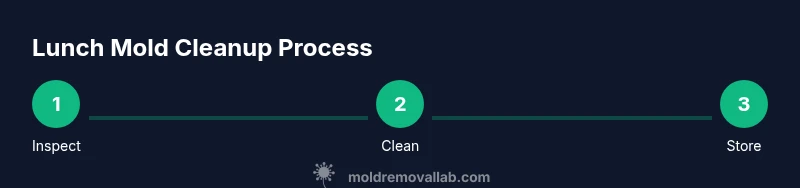
By following these steps, you can prevent lunch mold from growing on food, containers, and storage areas. Learn quick checks, safe cleaning methods, and smart storage habits to keep meals fresh and safe. Start with disposing spoiled items and sanitizing lunch gear after each use, then establish routine cleaning habits today.
What is lunch mold and where does it come from
Lunch mold refers to mold growth on foods and the tools you use to store them, such as lunch boxes, thermoses, and reusable containers. Mold spores are everywhere and can settle on moist, nutrient-rich surfaces, then multiply when warmth, humidity, and organic residues are present. In practical terms, this means that leftovers sitting in a closed lunch bag or a warm fridge, or containers with tiny scratches where food particles lodge, are prime places for mold to take hold. Understanding these basics helps you prevent growth before it becomes visible, protecting your family from spoiled meals and potential health concerns. Separate, hard surfaces like metal or glass are easier to keep mold-free than porous plastics, but all materials require consistent cleaning. The lunch mold you encounter is often a combination of moisture retention, temperature fluctuations, and lingering food particles that invite fungal life. By tackling each of these factors—moisture, temperature, and cleanliness—you can substantially reduce mold risk around lunchtime.
Common sources of lunch mold in kitchens
Mold loves warmth, moisture, and organic residues, which makes the kitchen a frequent battleground for lunch mold. In the context of everyday lunches, the most common sources are damp storage areas, lingering moisture inside sealed containers, and foods that aren’t refrigerated promptly after prep. Even refrigerated leftovers can mold if they are stored in containers that sit against the back wall where cool air may not circulate well, or if the lid seals trap condensation. The Mold Removal Lab analysis shows that residue in gasket seals and crevices in lunch gear can provide micro-habitats for mold spores to take hold, especially when containers are scratched or become slightly warped. Plastic and silicone containers are particularly susceptible if they are scratched or porous, because these micro-scratches trap food particles and moisture. Regular inspection for odor, visible color changes, or fuzzy growth is essential to catching mold early and avoiding cross-contamination to other foods.
Safe cleaning methods for lunch containers and gear
Begin with a thorough rinse to remove loose debris, then wash with warm water and dish soap. Use a bottle brush to scrub hard-to-reach areas like lids, gaskets, and seams; pay special attention to folds where food particles hide. Rinse again to remove soap residues, then disinfect using kitchen-safe options. A simple approach is a 1:1 mix of white vinegar and water for disinfecting hard surfaces, or 3% hydrogen peroxide on non-porous containers. Allow the surface to dwell for about five minutes before a final rinse, then air-dry completely on a rack or clean towel. Avoid mixing cleaners—keep acids and bleaches separate—and work in a well-ventilated area. For stubborn mold on seals, scrub with a paste of baking soda and water, rinse, and dry thoroughly before reuse.
Storage practices to prevent lunch mold growth
Once items are clean and completely dry, store them in a cool, dry place and refrigerate perishable foods promptly. Keep containers sealed when storing leftovers to minimize moisture exposure and exposure to air, both of which feed mold. Use clear, labeled containers so you can quickly spot spoilage without opening every lid. The Mold Removal Lab analysis shows that moisture retention during storage is a leading cause of recurrent mold growth, so emphasize proper sealing, prompt refrigeration, and rotating stock to use older items first. Avoid leaving meals out on the counter for extended periods and consider small portions that can be reheated easily, reducing unused leftovers that become breeding grounds for mold.
Handling leftovers and disposal safely
Never taste or sniff moldy foods; discard them immediately and away from fresh groceries. If a container shows persistent mold despite cleaning, retire it and replace with a new one. Wipe down fridge shelves and any area where mold could spread, using a dedicated sponge or cloth that is rinsed and washed after use. Use a dedicated trash bag for contaminated items and seal it before disposal to reduce the chance of recontamination in your kitchen. Rewash hands after handling mold-prone items, and avoid placing moldy foods back in the fridge even if they seem salvageable.
Building a mold-free lunch habit
Develop a regular routine: wash containers after each use, sanitize weekly, and keep a small cleaning caddy with dish soap, brushes, and absorbent towels. Schedule a quick weekly check of lunch gear to catch potential mold early and to replace worn seals before they fail. Create a simple checklist that the household can follow, noting items that need new lids or gaskets. The Mold Removal Lab team recommends adopting these routines to keep lunch mold-free and protect your family’s health, and we remind readers to revisit the checklist after any kitchen remodeling or seasonal changes when mold risk can shift.
Authority Sources
For authoritative guidance on mold, food safety, and storage practices, consult these sources:
- Centers for Disease Control and Prevention (CDC): https://www.cdc.gov/mold/default.htm
- Environmental Protection Agency (EPA): https://www.epa.gov/mold/mold-basics
- U.S. Department of Agriculture (USDA) Food Safety and Inspection Service: https://www.fsis.usda.gov/food-safety/safe-food-storage-preparation
Tools & Materials
- Dish soap(Any mild liquid dish soap)
- Warm water(Hot tap water is fine)
- Bottle brush or long-handled scrub brush(For bottles and narrow containers)
- Soft sponge or microfiber cloth(Non-abrasive for most plastics)
- White vinegar(Dilute 1:1 with water for disinfecting)
- Hydrogen peroxide 3%(Optional disinfectant for hard surfaces)
- Baking soda(Mild abrasive for seals and gaskets)
- Bleach (optional)(Only for hard non-porous surfaces; rinse thoroughly)
- Drying rack or clean towels(Air-dry completely before reuse)
- Trash bags(For disposing of moldy items)
- Labels and marker(Optional for dating containers)
Steps
Estimated time: Estimated total time: 25-40 minutes
- 1
Inspect items for mold and spoilage
Carefully examine all lunch items and gear for visible mold, unusual odor, discoloration, or soft spots. Separate anything suspect and set it aside for disposal. This initial scan prevents transferring mold to fresh foods.
Tip: Document recurring issues by food type or container to adjust storage practices. - 2
Remove contaminated items
If you find mold on any food, discard it in a sealed bag. Do not sniff or taste moldy items to avoid exposure. Remove all contaminated portions of containers if possible.
Tip: When in doubt, discard the item to minimize health risks. - 3
Rinse and pre-clean
Rinse containers under running water to remove loose debris. Pre-clean lids and seals with warm soapy water, paying attention to seams where residue hides.
Tip: Keep a small bottle brush dedicated to lids for better access to tight corners. - 4
Wash thoroughly
Wash with dish soap and warm water for all reusable items. Scrub surfaces, inside seals, and rims; rinse until no suds remain. This step removes food residues that feed mold.
Tip: Use a soft sponge on delicate plastics to avoid scratches that harbor mold. - 5
Disinfect and dwell
Disinfect hard, non-porous surfaces with a vinegar solution or hydrogen peroxide. Let the disinfectant sit for about five minutes before rinsing again.
Tip: Never mix cleaners; ensure ventilation when using strong solutions. - 6
Dry completely
Air-dry items on a rack or clean towel until completely dry. Moisture left in lids or seals is a common mold trigger.
Tip: If possible, sun-dry or use a clean towel to speed up moisture removal. - 7
Reinspect before reuse
Look for any remaining signs of mold or odor after drying. If in doubt, repeat cleaning or retire the item.
Tip: Keep a simple log of which containers are replaced and when. - 8
Store properly
Store containers with dry lids in a cool, dry place or refrigerate perishable items promptly. Sealed, dry storage reduces mold risk.
Tip: Label storage dates to rotate stock and use older items first.
FAQ
What is lunch mold and how does it form?
Lunch mold forms when mold spores land on moist food or storage surfaces and encounter warmth. It grows quickly in damp, warm environments and can appear as fuzzy patches, spots, or unusual odors. Regular cleaning and proper storage reduce the risk.
Lunch mold happens when mold spores land on damp food or containers and warm conditions let them grow. Clean regularly and store foods properly to prevent it.
Is it safe to eat food if I see mold on the container?
If you see mold on any food or inside a container that held food, discard the item. Some molds produce toxins that can affect health, so it’s safer to err on the side of caution.
If you spot mold on food or in its container, throw it away. Mold can produce toxins, so it’s safest to discard.
What cleaning agents are safe for lunch containers?
Mild dish soap with warm water cleans most containers. For disinfection, white vinegar and hydrogen peroxide are common, kitchen-safe options for hard surfaces. Avoid mixing cleaners and follow label directions.
Use dish soap and water for everyday cleaning; for disinfection, vinegar or hydrogen peroxide works on hard surfaces.
How often should I sanitize lunch containers?
Sanitize after each use and do a deeper clean weekly or whenever you suspect mold. Consistent cleaning reduces mold buildup and cross-contamination.
Sanitize after every use and deep clean weekly or when you suspect mold.
What storage practices help prevent lunch mold?
Prompt refrigeration, airtight sealing, and clearly labeled containers minimize moisture and exposure to air, both of which promote mold growth. Rotate stock to use older items first.
Store lunches promptly in the fridge in airtight containers to keep mold away.
Can lunch mold occur in non-food items like bottles or lunch boxes?
Yes. Mold can grow inside seals, gaskets, and interiors of lunch gear if not cleaned regularly. Regular wipe-downs and targeted cleaning prevent hidden mold.
Mold can grow inside lunch gear too, so clean seals and interiors regularly.
Watch Video
The Essentials
- Inspect and discard moldy items promptly.
- Clean containers thoroughly after each use.
- Disinfect and dry completely before reuse.
- Store lunches in sealed, properly refrigerated containers.
- Adopt a weekly mold-prevention routine.