Bread Mold: Identification, Risks, and Safe Cleanup
Comprehensive guide to bread mold: signs, health risks, disposal, cleaning, and prevention to keep kitchens safe. Practical steps for homeowners and renters.


By the end, you’ll identify common bread mold, understand health risks, and follow a safe remediation plan to prevent spread in your kitchen. This guide covers visual signs, how to handle moldy bread safely, when to discard it, and practical prevention tips to reduce future occurrences in humid or stored environments.
What bread mold is and how it forms
Bread mold refers to fungi that grow on bread when moisture, warmth, and nutrients create a hospitable microclimate. In homes, common offenders include fast-growing molds that produce fuzzy, colored colonies on the surface. According to Mold Removal Lab, bread mold is a common kitchen mold and a sign that humidity levels and storage practices could use adjustment. Mold spores are present in the environment and can land on bread, where they may begin to multiply within hours under the right conditions. The spores themselves are microscopic, but visible growth often becomes noticeable after a few days of poor sealing or exposure to warm air. In most households, mold on bread develops on slices or loaves that are left exposed in warm pantries, cupboards, or sealed plastic bags. Proper handling begins with rapid identification and containment to prevent spores from dispersing to nearby foods or surfaces.
Common mold species found on bread and how they differ
On bread, several mold genera may appear, with color and texture offering clues about the type. The most commonly observed is a black, powdery growth that can spread quickly across the surface. Other molds may present as green, white, or gray fuzz. While some molds are relatively benign, others can produce irritants or mycotoxins; it is not safe to assume all bread mold is harmless. The Mold Removal Lab team emphasizes that visual cues are not a perfect guide to safety, and any visible mold on bread should be treated with caution. If you see growth, discard the affected bread and inspect nearby items for signs of contamination. Always err on the side of caution when mold is present in food.
How bread mold grows: moisture, temperature, and storage
Mold requires three factors to thrive: moisture, warmth, and a nutritious substrate. Bread provides a ready-food source for mold spores, and improper storage—such as keeping bread exposed to air, leaving bags open, or storing in a humid cupboard—creates ideal conditions for growth. The spores are tiny and can travel by air currents, meaning that even distant shelves in a pantry could become contaminated. When bread is stored in sealed bags, moisture can still accumulate, promoting mold growth on the surface and into the interior. To reduce risk, transfer bread to airtight containers or reseal bags immediately after use, and store in a cool, dry place. Avoid leaving bread out for extended periods in warm kitchens, especially near heat sources or direct sunlight.
Health risks associated with bread mold and who is most at risk
Bread mold can trigger allergic reactions, irritate the respiratory system, or cause infections in people with compromised immune systems or chronic respiratory conditions. While most healthy individuals recover from brief exposure, inhalation of mold spores or contact with moldy bread can exacerbate asthma symptoms and trigger coughing or throat irritation. It is prudent to treat any visible mold as a potential hazard and limit handling. The Mold Removal Lab analysis highlights that spores can become airborne during handling, so wearing gloves and a mask reduces exposure. Always prioritize safety by disposing of moldy bread promptly and cleaning surfaces thoroughly to prevent secondary exposure.
Safe disposal and immediate steps you should take
When bread mold is spotted, do not cut away the moldy portion and save the rest. Mold can penetrate bread beyond what is visible. Place the moldy loaf or slices in a sealed plastic bag and discard in an outdoor trash can. Wash your hands after disposal and avoid touching other foods with the same gloves. Wipe down contaminated areas with soap and warm water, then disinfect non-porous surfaces with a mild bleach solution or an approved household cleaner. If you have a pantry or bread storage area with signs of moisture or repeated mold, address the humidity issue and re-evaluate storage conditions. Ventilate the space to reduce lingering spores and restore a drier environment.
Cleaning and sanitation after handling bread mold
After disposal, thoroughly clean all surfaces that came into contact with mold or bread, including countertops, cutting boards, and utensil surfaces. Use hot, soapy water for initial cleaning and then sanitize with a disinfectant approved for kitchen surfaces. Rinse and air-dry to minimize moisture that could support regrowth. For porous materials that may have absorbed mold, consider replacing or deep cleaning with a professional-grade cleaner designed for mold remediation. Never reuse contaminated towels or sponges; discard or sanitize them thoroughly. These steps reduce the chance of cross-contamination to other foods and surfaces.
Immediate steps if you find mold in pantry or storage areas
When mold appears in pantry storage, immediately move nearby foods away and assess whether items are contaminated. Transfer non-moldy foods to clean containers and inspect boxes, cans, and packages for signs of moisture damage or mold growth. If any item is questionable, discard it. Improve pantry organization to reduce humidity pockets and ensure good airflow. Regularly check shelves for leaks or condensation and address any moisture source promptly. Keeping a clean, dry environment is essential to preventing bread mold and other mold growth.
Prevention strategies to minimize future bread mold growth
Prevention focuses on controlling moisture and limiting exposure. Store bread in airtight containers or reseal bags after use, and consider refrigerating or freezing bread to extend freshness if you do not consume it quickly. Ensure good airflow in storage areas and avoid placing bread near ovens or heat-generating appliances. Regular pantry cleaning reduces dust and mold spores that could land on bread. Use moisture absorbers like silica gel in pantry containers if appropriate, and fix any water intrusion or leaks promptly. Keeping environments dry and clean is the most reliable long-term defense against bread mold.
Managing household humidity and bread storage best practices
High humidity in kitchens and pantries promotes mold growth on bread and other foods. Practical steps include running a dehumidifier in humid climates, using exhaust fans when cooking, and keeping doors and windows closed to prevent moisture influx. Elevate bread storage off the bottom shelves where condensation can collect and place bread in airtight containers or sealed bags immediately after purchase. Regularly inspect stored bread for early signs of mold and remove suspect items quickly. These measures align with best practices for maintaining a healthier, mold-aware home.
Bread mold and other foods: mitigating cross-contamination
Bread mold can share spores with nearby foods, especially those stored in similar containers or close to the moldy item. Develop a routine that includes separating moldy foods from fresh ones and cleaning storage areas after any mold discovery. Check other foods for signs of moisture damage or color changes, particularly items stored in warm or humid spaces. If in doubt, discard questionable items and clean the area to prevent spread. Keeping your pantry organized and dry is a simple yet powerful strategy to minimize mold-related risks.
DIY remediation vs professional help: when to escalate
DIY cleanup is appropriate for small, isolated mold on non-porous surfaces and when following safe, established guidelines. For bread mold, the best practice is usually disposal and cleaning the area. If mold recurs or you notice persistent moisture issues, or if mold growth extends to porous materials or large areas, seek professional remediation services. The Mold Removal Lab team notes that persistent mold problems often require expert assessment and specialized cleaning methods to ensure it does not reappear. Prioritize safety and know when to escalate.
Quick-reference mold safety checklist
- Do not eat moldy bread; discard promptly.
- Wear gloves and a mask when handling moldy items.
- Seal moldy bread in a bag before disposal.
- Clean and sanitize all touched surfaces with soap and a disinfectant.
- Address moisture sources and improve air circulation.
- Inspect nearby foods for signs of mold and discard if questionable.
- Reorganize pantry to improve airflow and dry storage conditions.
- When in doubt, consult a professional for persistent issues.
Tools & Materials
- Disposable gloves (nitrile or latex)(To avoid skin contact with mold spores)
- Face mask (N95 if possible)(Reduce inhalation of spores)
- Seal-able trash bags(For disposal of moldy bread and contaminated materials)
- Disposable cleaning cloths or paper towels(For safe cleanup)
- Soap and warm water(Initial cleaning)
- Bleach or hydrogen peroxide (optional)(For hard, non-porous surfaces; follow label safety)
- Non-porous cleaning tools (sponges, scrub brushes)(Use on counters)
- Flashlight or flashlight app(Inspect surfaces for hidden mold)
- Extra air-tight storage containers(For fresh bread storage and moisture control)
Steps
Estimated time: 60-120 minutes
- 1
Identify and isolate moldy bread
Begin by inspecting the bread for visible mold and seal the package or place the loaf in a sealed bag to prevent spore spread. Do not sniff or taste moldy bread. This step reduces the risk of inhalation and cross-contamination as you plan disposal.
Tip: Keep the affected bread separate from other foods immediately. - 2
Put on protective gear
Wear gloves and a mask before handling any moldy items. Protective gear minimizes direct contact with mold spores and reduces inhalation risk during cleanup.
Tip: Use a disposable mask and gloves that you can discard after disposal. - 3
Dispose of moldy bread safely
Place the moldy bread in a sealed bag and dispose of it in an outdoor trash can. This prevents spores from re-entering the living space. Do not compost moldy bread, as spores can spread.
Tip: Avoid reusing packaging that contained moldy bread for fresh food. - 4
Clean contaminated surfaces
Wipe surfaces with soap and warm water, then sanitize non-porous surfaces with a diluted disinfectant. Rinse and dry thoroughly. Mold spores can linger on countertops, cutting boards, and utensils.
Tip: Use separate cloths for moldy bread areas to prevent cross-contamination. - 5
Inspect surrounding foods and storage
Check nearby foods for signs of moisture or mold. Move bread and other items to clean containers and re-seal. Improper storage can invite repeat growth.
Tip: If an item shows any sign of mold, discard it to be safe. - 6
Address moisture sources
Identify moisture sources such as leaks, condensation, or poor ventilation. Repair leaks and improve airflow to reduce mold-friendly conditions in the kitchen and pantry.
Tip: Run exhaust fans during cooking and use a dehumidifier if necessary. - 7
Restore storage conditions
Store bread in airtight containers or sealed bags and consider refrigeration or freezing for longer shelf life. Ensure storage spaces are dry before returning items.
Tip: Label containers with dates to track freshness. - 8
Ventilate and recheck after 24 hours
Ventilate the area and re-check for signs of remaining mold. If you notice persistent growth, repeat cleaning or seek professional help.
Tip: Open windows or use a fan to speed up drying. - 9
Document and review practices
Keep notes on storage changes and cleaning steps to avoid repeating mistakes. A simple log helps monitor humidity and mold risk over time.
Tip: Regular checks can prevent future outbreaks. - 10
Know when to escalate
If mold returns despite your best DIY efforts, or if growth appears on porous materials, consider professional remediation. Safety comes first when mold risk is ongoing.
Tip: Professional assessment may prevent broader health issues.
FAQ
Is all bread mold dangerous to eat?
Most mold on bread should not be eaten. Some molds can produce irritants or toxins that pose health risks, particularly for sensitive individuals. If you see mold on bread, discard it and clean the area. When in doubt, err on the side of safety.
Most mold on bread isn’t safe to eat and should be discarded. If you’re unsure, discard it and clean the area to be safe.
Can I salvage bread with small mold spots?
No. Mold can penetrate beyond what is visible. Even small spots indicate contamination. Discard the entire loaf or slice and clean storage areas to prevent spread.
No, don’t salvage moldy bread. Contamination can extend beyond visible spots; discard and clean.
What should I do if my kids touch moldy bread?
Have children wash their hands after disposal and avoid touching other foods with the same utensils. Clean surfaces they may have touched and store food in sealed containers.
If kids touch moldy bread, have them wash their hands and keep other foods away from the area.
Will mold spread to other foods in the pantry?
Yes, mold spores can travel and contaminate nearby foods, especially if storage is poor. Inspect surrounding foods and improve storage conditions to minimize risk.
Spores can spread to nearby foods, so check and repackage where needed.
When should I call a professional for bread mold?
Call a professional if mold returns after cleaning, if you notice persistent moisture problems, or if mold appears on porous building materials. They can assess and remediate safely.
If mold keeps coming back or you have widespread moisture issues, consider professional help.
Is bleach safe for cleaning bread-mold areas?
Bleach can be used on non-porous surfaces, but never mix with ammonia or other cleaners. Follow label directions and ensure good ventilation during use.
Bleach is okay on hard surfaces if used correctly and with ventilation.
Can bread mold be prevented entirely?
While you can’t guarantee zero mold, you can significantly reduce risk by controlling humidity, storing bread in airtight containers, and using refrigeration or freezing for longer storage.
You can greatly reduce mold risk with proper storage and humidity control.
Should I inspect every loaf for signs of mold?
Yes, a quick visual check before consumption helps prevent exposure. Store loaves that look suspect separately and discard if growth is evident.
Always check bread before use and discard if you see signs of mold.
Watch Video
The Essentials
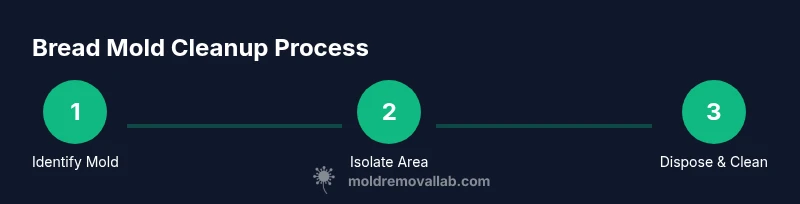
- Identify mold promptly and isolate affected items.
- Dispose of moldy bread safely and sanitize surfaces thoroughly.
- Control humidity and improve storage to prevent recurrence.
- Inspect nearby foods for contamination and adjust storage practices.
- Know when to seek professional help for persistent mold issues.