Bread Mold Guide: Safe Handling, Storage & Prevention
Learn to recognize mold for bread, safely dispose of moldy loaves, and prevent future growth with practical storage and cleaning tips designed for homeowners.


Learn how to identify mold on bread, decide when to discard it safely, and prevent future growth with practical storage and cleanup steps. This guide covers immediate disposal, surface sanitation, and simple pantry changes homeowners can implement today. Follow the step-by-step process to minimize mold exposure, protect family health, and reduce food waste.
What is mold for bread and why it matters
Mold for bread refers to the growth of fungi on bread when it is stored under conditions that favor moisture and warmth. The term highlights a common kitchen issue that can indicate pantry moisture problems or inadequate ventilation around baked goods. Mold appears as fuzzy spots in colors like green, black, or white and can spread quickly across a loaf. While some surface mold can be teased away, toxins and spores may be present beyond what you see, making safe disposal essential. Understanding mold on bread helps you reduce food waste and protect household health by acting promptly and handling contaminated items with care.
Food safety basics: why you should treat mold on bread seriously
Food safety guidance emphasizes that mold on bread is not simply an eyesore; many molds produce mycotoxins that can linger even if you cut away the visible portion. In typical home settings, it is advised to discard moldy bread rather than attempting to salvage parts of the loaf. People with mold allergies or compromised immune systems should be especially cautious. When mold is present, cross-contamination to nearby foods can occur if surfaces and utensils are not cleaned properly. Keeping environments dry, clean, and well-ventilated helps reduce mold growth across pantry items, including bread.
How to inspect mold on bread safely
Begin by inspecting the loaf's entire surface, including the bottom and any packaging seams. If you see mold, assume the mold has spread beyond the obvious area. Do not sniff or taste mold; mold spores can trigger allergic reactions or respiratory issues. If bread is whole and you notice a single colored spot, discard the loaf. If you cannot confirm spread, err on the side of caution and dispose of the entire loaf. When in doubt, prioritize safety over salvaging food.
Immediate disposal steps you should follow
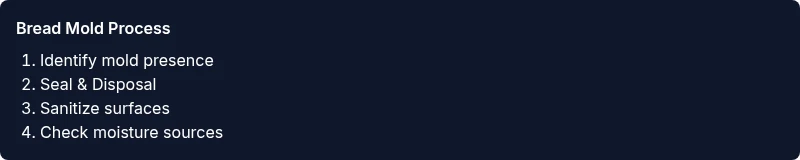
Put on disposable gloves and a mask if desired. Place the moldy bread in a sturdy plastic bag, seal tightly, and place the bag in an outdoor trash container. Do not compost moldy bread; spores can survive and spread in the compost pile. Clean the counter with detergent, then disinfect with an EPA-registered cleaner or a bleach solution, following label instructions. Wash hands after handling and remove any contaminated cookware or packaging.
Cleaning and sanitizing the area after mold
After disposal, wipe down all surfaces that may have come into contact with mold spores. Use paper towels or microfiber cloths, and dispose of them in a sealed bag. Ventilate the area for several minutes to help dry the space. If mold growth appears on other foods or shelves, you may need to inspect for hidden moisture sources or mold-friendly conditions behind pantry walls. Regular cleaning and quick action prevent spread and reduce lingering odor.
Prevention strategies to reduce bread mold in the future
Store bread in a cool, dry place away from heat and sunlight. Use a proper bread storage container or a dedicated bread box that allows air circulation while keeping moisture out. If you won't consume bread within a few days, freeze portions; freezing halts mold growth and maintains texture. Check your pantry for humidity sources such as leaks or condensation, and fix them promptly. Finally, consider labeling and rotating stock so older bread is used first, reducing the window for mold to develop.
How to store bread properly to prevent mold
Use original packaging if you can reseal tightly, or transfer to airtight containers. Avoid storing bread in the refrigerator; while refrigeration slows some food spoilage, it can change texture and may encourage mold growth in some bread types. For long-term use, freezing is best; wrap slices in parchment and place in freezer bags, then thaw as needed. Keep your kitchen humidity low with proper ventilation and a dry trash setup to minimize mold-friendly conditions.
When bread mold signals broader mold issues at home
If you notice recurrent mold growth on bread despite proper storage, it may indicate broader moisture problems in your home. Inspect windows, pipes, basements, and crawl spaces for leaks or high humidity. Use a dehumidifier in damp rooms and ensure bathrooms and kitchens vent to the outside. If mold spreads to walls or built-in shelves, consider professional assessment and remediation to prevent health risks. Early action helps prevent larger mold problems.
Authority sources and further reading
Refer to trusted sources for mold safety and home moisture management. For reference, public health and university extension resources offer guidance on indoor air quality, mold prevention, and safe disposal practices. These sources can help you understand moisture control and the health implications of mold exposure, improving your home’s overall mold resilience. Links below provide foundational information and practical steps you can apply today:
- https://www.cdc.gov
- https://www.fda.gov
- https://extension.illinois.edu
Tools & Materials
- Disposable gloves(Protect hands from mold and residues)
- Heavy-duty trash bags (13-gallon or larger)(Seal moldy bread securely for outdoor disposal)
- Trash can with tight lid(Outdoor disposal to minimize indoor exposure)
- Paper towels or lint-free cloth(For wiping surfaces and handling packaging)
- Disinfectant or EPA-registered cleaner(For sanitizing surfaces after disposal)
- Scrub brush or sponge(To scrub surfaces and remove residues)
- Marker and sealable container (optional)(Label evidence or dispose accessories separately)
- Face mask (optional)(Reduce inhalation of spores during handling)
Steps
Estimated time: 20-30 minutes
- 1
Stop using moldy bread
Do not consume bread once you see mold. Mold can produce toxins and spores that spread beyond visible areas, posing health risks. Prioritize safety over salvaging food, especially for households with young children or allergies.
Tip: Do not sniff or taste mold to test safety. - 2
Contain the area and gather materials
Put on gloves and a mask if available. Gather disposal bags, disinfectant, paper towels, and a dedicated trash bin to minimize cross-contamination. Prepare a clear workspace away from other foods.
Tip: Keep bread away from other groceries to avoid cross-contact. - 3
Seal and dispose of the bread
Place the bread in a sturdy bag, seal tightly, and place it in an outdoor trash can. Do not compost. Double-bag if the loaf is particularly moldy. Wash hands thoroughly after disposal.
Tip: Dispose promptly to minimize spore spread. - 4
Sanitize the area
Wipe the surrounding surfaces with detergent, then disinfect per label instructions. Pay attention to countertops, cutting boards, and any utensils that touched the bread. Allow surfaces to dry completely.
Tip: Ventilate during and after cleaning to speed drying. - 5
Inspect other foods and storage
Check nearby breads or similar products for signs of mold; re-pack or discard as needed. Review storage conditions—moisture, airflow, and temperature can influence mold growth in the pantry.
Tip: Rotate stock to use older items first. - 6
Monitor and adjust storage
After disposal, monitor the pantry for moisture buildup and adjust storage solutions. If humidity remains high, consider dehumidification or better ventilation to reduce mold risk.
Tip: Document changes to track improvements over time.
FAQ
Is mold on bread dangerous to eat?
Yes. Mold can produce toxins and spores that penetrate bread beyond what you can see; discard the loaf.
Yes. Mold can produce toxins and spores that may be hidden; discard the loaf.
Can bread without visible mold become unsafe?
Yes. Bread can harbor invisible mold spores if stored in humid or moist conditions; always handle with proper storage and inspection.
Yes. Sometimes bread can harbor mold spores that aren’t visible yet; check storage and moisture.
How long does mold take to grow on bread?
Growth rates vary with temperature and humidity; mold can appear in warm, moist conditions within a few days.
Mold can appear in a few days when conditions are right.
Should I refrigerate bread to prevent mold?
Refrigeration slows some spoilage but can affect texture; freezing is a better option for long-term storage.
Fridge slows some spoilage but isn’t ideal for texture; freezing works best for long-term.
What household products are safe for mold cleanup?
Use an EPA-registered disinfectant or standard household cleaners to sanitize surfaces after disposal.
Use EPA-registered cleaners to sanitize surfaces.
How should I dispose of moldy bread from shared spaces?
Seal it in a bag and dispose of outdoor trash promptly; avoid leaving it in common areas.
Seal it in a bag and take it outside quickly.
Watch Video
The Essentials
- Discard moldy bread promptly to prevent spread
- Never eat moldy bread, even if you cut away visible mold
- Store bread properly to slow mold growth
- Check pantry humidity and fix leaks to reduce moisture
- Freeze bread for long-term storage to avoid mold