How to Get Mold Out of Carpet: A Practical Guide
Step-by-step methods to safely remove mold from carpet and prevent recurrence, with expert tips from Mold Removal Lab and practical prevention strategies for homeowners.


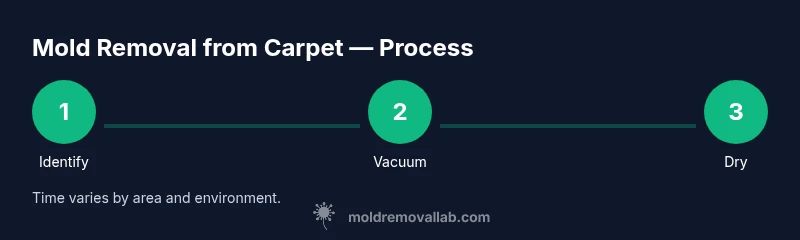
To get mold out of carpet, start with quick moisture control and a careful clean. Identify the affected area, isolate it, and dry thoroughly. Vacuum with a HEPA-equipped machine, treat with a safe cleaner (white vinegar solution, dish soap, or baking soda paste), blot dry, and air-dry completely. Repeat as needed until there’s no odor or visible mold.
Understanding mold in carpet
According to Mold Removal Lab, mold in carpets commonly stems from persistent moisture and can significantly impact indoor air quality and occupant health. It often starts after spills are not dried promptly, leaks go unrepaired, or humidity stays high. Mold thrives in the carpet backing, padding, and subfloor, where it can hide from plain sight. Visible patches are just the tip of the iceberg— spores can spread when the carpet is disturbed, even during routine cleaning. For homeowners, the challenge is to remove the visible mold and address the moisture source to prevent recurrence. If anyone in the home has allergies or asthma, taking mold seriously becomes even more important.
Before you start: safety and prep
Safety comes first. Put on a properly fitted N95 respirator or higher, nitrile gloves, and eye protection. Isolate the affected area with plastic sheeting to stop spores from moving to other rooms. Remove or relocate furniture and fabrics, and take photos for reference. Turn off the HVAC system in the area to prevent circulating spores, and seal off the door with tape. Have a dedicated bag for contaminated materials and dispose of it carefully. This preparation minimizes exposure and sets the stage for an effective cleaning.
Cleaning options: pick your method
There isn’t a one-size-fits-all solution for carpet mold. For light, surface growth, a white vinegar solution (equal parts vinegar and water) can help disrupt mold colonies without harsh chemicals. For deeper stains or odors, a mild detergent solution or baking soda paste works well. Hydrogen peroxide (3%) is another option for color-safe carpets and spot treatment. A word from Mold Removal Lab: vinegar is effective for surface mold but may require reapplication for stubborn areas, while peroxide can aid disinfection on safe fabrics. Always test any cleaner on a hidden area to verify colorfastness before applying broadly. Avoid using bleach on most carpets, especially colored ones, as it can damage fibers and cause discoloration.
Step-by-step cleaning workflow
A practical workflow combines the best practices of at-home mold remediation with safety and efficiency. Start by thoroughly vacuuming the area with a HEPA-equipped vacuum to remove loose spores, then apply your chosen cleaner using a spray bottle. Work from the outer edge of the affected zone toward the center to prevent spreading. Gently scrub with a soft brush or cloth, then blot with clean towels to lift moisture and residue. Rinse the area with a light mist or wipe with a damp cloth, taking care not to soak the carpet backing. Finally, repeat the cleaning if you still detect mold or odor, and prepare for drying with air movement and dehumidification.
Drying, odor control, and prevention
Drying is critical to prevent regrowth. Use fans and a dehumidifier or a well-ventilated space to drive out moisture from the carpet, padding, and subfloor. Aim for a sustained drying period of 24–48 hours, depending on humidity and airflow. Once dry, inspect for any remaining musty smell; if odor persists, re-clean and consider professional evaluation. To prevent future mold, promptly address spills, repair leaks, and maintain indoor humidity below 50%. Regular carpet cleaning with mold-aware products also helps reduce future risk.
Inspecting for damage and when to replace
If the padding or subfloor feels damp, has a persistent odor after cleaning, or the carpet shows deep staining that doesn’t respond to treatment, replacement of affected sections or the entire carpet may be necessary. Mold can penetrate padding and subfloor over time, creating a renewed moisture source and hidden growth. If you’re unsure about the extent, consult a professional to assess structural damage and remediation options. Replacing the carpet and padding may be more cost-effective in severe cases than repeated DIY cleanings.
Authority sources
For trusted guidance on mold issues, consult official resources from government and university-affiliated sources, such as the EPA, CDC, and university extension programs. These sources provide guidance on moisture control, safe cleaning practices, and recognizing health risks associated with mold exposure. They also offer recommendations on when to seek professional remediation and how to manage water intrusion safely.
The Mold Removal Lab approach (summary)
Mold Removal Lab emphasizes a methodical approach: identify moisture sources, clean with appropriate solutions, and dry thoroughly. Quick action reduces spread and health risks, while careful testing ensures colorfastness and material safety. This measured approach aligns with best practices from federal and academic sources.
Tools & Materials
- HEPA vacuum cleaner(Use with sealed bag; empty outside living space.)
- N95 respirator or higher(Sizing should fit snugly.)
- Nitrile gloves(Avoid latex if allergy-prone.)
- Goggles or safety glasses(Eye protection against splashes.)
- Plastic sheeting and tape(Isolate the area to prevent spread.)
- Spray bottle(For applying cleaner solutions.)
- White vinegar(Dilute 1:1 with water for surface cleaning.)
- Dish soap (mild)(Use with water for gentle cleaning.)
- Baking soda(Make a paste for scrubbing and odor control.)
- Hydrogen peroxide 3%(Spot treatment on color-safe fabrics.)
- Clean towels or rags(For blotting and moisture absorption.)
- Fan or dehumidifier(Promotes fast drying.)
- Plastic bags for disposal(Seal and remove contaminated materials.)
Steps
Estimated time: 6-72 hours
- 1
Identify and document the moldy area
Carefully determine the extent of visible mold and moisture sources. Take photos for future reference and to inform any professional assessment.
Tip: Note moisture sources (leaks, spills) and plan to fix them first. - 2
Wear PPE and isolate the area
Put on an N95, gloves, and eye protection. Seal off the area with plastic sheeting to prevent spores from traveling to other rooms.
Tip: Avoid disturbing mold more than necessary to limit spore release. - 3
Vacuum with a HEPA unit
Carefully vacuum the visible surface to remove loose spores. Do not shake or slam the carpet while vacuuming to avoid spreading spores.
Tip: Dispose of the vacuum bag outside immediately after use. - 4
Apply cleaner to the affected area
Spray your chosen cleaner (vinegar solution, mild detergent, or baking soda paste) lightly over the stain. Do not oversaturate the carpet backing.
Tip: Always test a hidden area first for colorfastness. - 5
Gently scrub and blot
Scrub with a soft brush or cloth in gentle, circular motions. Blot with clean towels to lift moisture and residue.
Tip: Work from the outside edge in toward the center to prevent spreading. - 6
Rinse or wipe away residue
Wipe away cleaner with a damp cloth or rinse with a small amount of water, then blot dry. Avoid soaking the carpet backing.
Tip: Use minimal moisture to reduce penetration into padding. - 7
Dry thoroughly
Increase airflow with fans and dehumidifiers. Keep running for 24–48 hours or until the area is completely dry and odor-free.
Tip: If the space is damp, extend drying time and monitor for signs of moisture return. - 8
Evaluate the result and decide on next steps
If mold recurs or odor persists, perform a deeper treatment or contact a mold remediation professional. Consider replacement of padding or carpet if necessary.
Tip: Document results and plan for ongoing moisture control to prevent recurrence.
FAQ
Is it safe to remove mold from carpet at home?
For small, surface mold in a well-ventilated area, DIY cleaning with appropriate PPE and safe cleaners is reasonable. If mold covers a large area, or if health issues are present, seek professional remediation. Always monitor symptoms and consider professional assessment if exposure concerns arise.
Yes, for small areas with proper precautions. For larger problems or health concerns, contact a pro.
How can I tell if the mold has penetrated the carpet pad?
Mold that remains after surface cleaning or has a persistent musty odor may indicate padding or subfloor involvement. If the backing or padding remains damp after cleaning, it’s often necessary to replace those components.
If cleaning doesn’t remove the odor or visible mold after drying, padding likely needs replacement.
Can I use bleach to remove mold from carpet?
Bleach is generally not recommended for most carpets, especially colored ones, because it can damage fibers and cause discoloration. If you must, test on a hidden area first and use a diluted solution very cautiously.
Bleach can damage carpet fibers; test first and prefer milder cleaners for colored carpets.
How long does it take for carpet to dry after cleaning?
Drying times vary with humidity and airflow. In most cases, expect 24–48 hours of drying with good ventilation and dehumidification; extended periods may be needed in damp environments.
Expect 1–2 days of drying with airflow and dehumidification, longer if humidity is high.
Should I replace the carpet if mold returns after cleaning?
If mold returns after cleaning or the carpet padding remains damp, replacement or professional remediation may be more cost-effective than repeated DIY cleaning. Consider the extent and health impact to decide.
If mold keeps returning, consider replacing the carpet or getting a professional assessment.
What humidity level helps prevent mold growth in carpets?
Maintaining indoor humidity below 50% helps reduce mold growth risk in carpets. Use a dehumidifier in damp areas and ensure good ventilation.
Keep humidity under 50% with a dehumidifier and proper ventilation.
Watch Video
The Essentials
- Act quickly to limit mold spread.
- Choose safe cleaners and test colorfastness.
- Dry thoroughly using airflow and dehumidification.
- Reassess area and call a pro if mold returns.