How to Clean Mold from Carpet in Car: A Practical Step-by-Step Guide
Learn how to safely remove mold from car carpet with expert steps, PPE, and proven drying techniques. This Mold Removal Lab guide covers tools, methods, and prevention to keep your vehicle healthy.


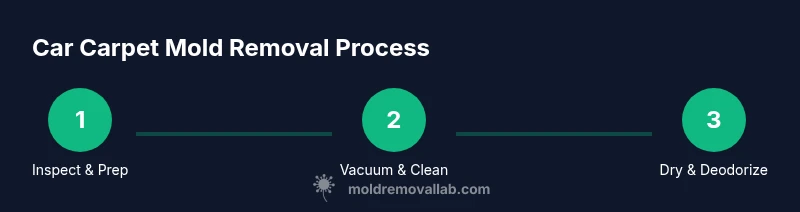
You will learn to safely remove mold from car carpet by drying the area, applying approved cleaners, and thoroughly drying to prevent regrowth. Gather PPE, a vacuum, microfiber cloths, a spray bottle, and a mild cleaner. Follow the step-by-step process for best results. This is a do-it-yourself guide suitable for most cars, but stop if you smell strong chemical fumes or if moisture control is failing.
Understanding mold in car carpets
Mold thrives where moisture and organic debris are present, and car interiors can offer both, especially after leaks, spills, or high humidity. Car carpet fibers trap moisture longer than hard surfaces, creating a hospitable environment for mold spores to take hold. In a vehicle, mold can appear as green, black, or gray patches, often alongside a musty odor. According to Mold Removal Lab, the combination of heat, humidity, and trapped moisture can accelerate growth in vehicle carpets, even when you think the area is dry. If you're wondering how to clean mold from carpet in car, this guide provides actionable steps that homeowners and renters can follow without specialized equipment. Mold Removal Lab analysis, 2026, emphasizes that addressing moisture is the first and most critical step; without drying, any cleaning will be largely temporary. Expect to see the best results when you treat both the surface and the base of the carpet padding, where hidden growth can linger.
A practical approach combines moisture control, careful cleaning, and thorough drying. The process below is designed to minimize exposure risk, protect the car’s interior, and reduce odor carryover. Throughout, you’ll see plain-language explanations, practical tips, and clearly defined safety steps so you can act with confidence.
Safety first: PPE and prep
Safety is the foundation of any mold remediation in a vehicle. Start by ensuring you have the right PPE and a well-ventilated area. Wear an N95 respirator or higher, disposable gloves, and eye protection to minimize exposure to spores and cleaning aerosols. Work with windows cracked or in a shaded, ventilated area to avoid heat buildup. Remove any floor mats and items from the car that can trap moisture or contaminate cleaning tools. Lay down a disposable tarp or old towels to catch debris, and set up a dedicated workspace so you don’t cross-contaminate other areas of your home. OSHA-style safety practices emphasize minimizing inhalation risk and avoiding skin contact with cleaning agents. If wildlife or mold growth seems extensive, or you have strong allergic reactions, consider postponing cleaning until you can access a larger, properly ventilated space or seek professional help.
Tools and cleaners: what you need
Having the right tools makes the job safer and quicker. Before you start, assemble a basic mold-cleaning kit tailored for car interiors:
- Vacuum cleaner with a HEPA attachment (essential)
- Microfiber cloths and disposable towels (essential)
- Nitrile gloves and eye protection (essential)
- N95 respirator or higher (essential)
- Spray bottle for cleaners (essential)
- Mild cleaners such as white distilled vinegar or a car-safe enzymatic cleaner (essential depending on material)
- Soft-bristle brush and flexible scrub pad (optional but helpful)
- Dehumidifier or portable fan for drying (optional but recommended)
- Odor absorber like baking soda (optional) This block also emphasizes that a dedicated wet-dry vacuum can speed up moisture removal. While strong chemical cleaners like chlorine bleach are sometimes suggested, their use near car fabrics is generally discouraged due to discoloration risk and harsh fumes. Stick with milder options first and test on a hidden area if you’re unsure.
Cleaning methods by mold severity
Mold growth in car carpets varies from light, surface-level staining to deeper, embedded colonies within the padding. For light, surface mold, start with dry cleaning to remove surface spores, then apply a mild cleaning solution and blot dry. A simple approach involves spraying undiluted white vinegar on the affected area, letting it sit for 5-10 minutes, then blotting with a clean microfiber cloth. Vinegar is a common home remedy that can reduce odors and inhibit some mold growth, but it may not remove deep-set contamination. For more robust cleaning, a hydrogen peroxide solution (3%) can be used in a spray bottle on the affected fibers, followed by gentle scrubbing with a soft brush. Rinse sparingly with a damp cloth and blot dry. For heavily contaminated areas or textiles with padding saturation, consider more advanced methods or a commercial enzyme-based cleaner designed for upholstery. Always perform a spot test on a hidden area first to avoid color loss or fiber damage. Depending on the carpet type (nylon, polyester, or wool blend), cleaning strategies and dwell times may vary. Emphasize moisture removal after any cleaner is applied; residual moisture is a principal driver of regrowth. If the mold is due to repeated moisture intrusion (such as a roof leak or flood event), treat the root cause to prevent recurrence. Mold Removal Lab notes that timely action matters; the longer mold remains, the more challenging it becomes to remove and deodorize.
Drying and deodorizing after cleaning
Thorough drying is as important as cleaning itself. After treating the carpet, remove excess moisture using towels and a wet-dry vacuum if available. Open the car doors or windows and run fans or a dehumidifier to drive moisture out of the fibers and padding. In some cases, you may need to extract moisture from the padding beneath the carpet, which may require removing trim pieces to access the underside. Ensure the interior reaches a stable, low humidity level; target below 60% relative humidity if possible. Once dry, lightly sprinkle baking soda over the carpet to neutralize odors and leave it for a few hours before vacuuming. A lingering musty smell after cleaning is a common sign that deeper drying is still needed, so extend airing times and recheck moisture before deciding the job is complete. If odor persists after several days of ventilation, you may need to consider professional remediation or carpet replacement in severely affected vehicles.
Prevention: keeping car carpets mold-free
Preventing mold returns requires proactive moisture management and quick response to spills. Dry spills immediately with towels and a breathable ambient environment. Regularly inspect door seals for leaks, ensure proper ventilation during cleaning, and consider installing a moisture absorber inside the vehicle during seasons of high humidity. Quick cleaning after wet events helps prevent mold from taking root in the padding. Maintain a clean interior by vacuuming regularly and addressing any water intrusion promptly. For seasonal storage or long-term parking, run a dehumidifier in the car cabin and use protective floor mats to deter moisture absorption. Consistent maintenance is the best defense against mold in carpeted car areas.
When to call a pro
If the mold problem covers a large area (several square feet), if you notice persistent odors despite cleaning, or if you have health concerns such as asthma or allergies, contact a professional remediation service. Pro technicians have access to industrial-grade equipment, including moisture meters and specialized cleaning agents, and can assess structural moisture sources that DIY methods may miss. In cases of sewage contamination or partial padding saturation, professional intervention is strongly recommended. The Mold Removal Lab Team recommends erring on the side of caution for extensive mold, structural damage, and recurrent moisture problems. The goal is to restore safety and air quality inside your vehicle with a comprehensive, timely approach.
Authoritative sources
- EPA Mold resources: https://www.epa.gov/mold
- CDC Mold information: https://www.cdc.gov/mold/index.html
- OSHA Molds safety guidelines: https://www.osha.gov/molds
These references provide additional background on mold risks, remediation principles, and safety practices relevant to car interiors.
Tools & Materials
- HEPA-equipped vacuum cleaner(Essential for capturing small mold particles from carpets)
- Microfiber cloths(Use multiple clean cloths to avoid cross-contamination)
- Nitrile gloves(Protect skin from cleaners and mold spores)
- N95 respirator or higher(Protect lungs during cleaning and agitation)
- Spray bottle (for cleaners)(Dilute or apply cleaners as needed)
- Mild cleaners (e.g., white vinegar or enzymatic cleaner)(Avoid harsh bleaches on most fabrics)
- Soft-bristle brush(Gently agitate fibers without damaging them)
- Drying aids (dehumidifier or portable fan)(Speeds up moisture removal)
- Baking soda(Odor neutralizer after drying)
Steps
Estimated time: 60-120 minutes
- 1
Prepare the car and safety gear
Move the car to a ventilated area, remove mats, and lay down towels to catch debris. Put on PPE (N95 mask, gloves, eye protection) and pre-ventilate the space with windows open. This step reduces exposure to mold spores and prepares you for effective cleaning.
Tip: Test a hidden area with cleaner to ensure no color transfer or fiber damage. - 2
Vacuum and remove loose debris
Use a HEPA vacuum to remove loose mold spores and dirt from the carpet surface. Focus on seams and padded areas where spores hide. This reduces the amount of material you’ll need to clean and helps prevent re-spread during scrubbing.
Tip: Vacuum slowly to maximize suction; avoid vigorous agitation that can loosen more spores. - 3
Apply cleaner to affected area
Apply your chosen cleaner (vinegar or enzymatic cleaner) to the mold-affected area. Do not soak; a light mist is enough to wet the fibers. Allow the cleaner to sit for several minutes to penetrate the fibers before scrubbing.
Tip: Do a spot test first to ensure fabric safety and colorfastness. - 4
Scrub and blot the fibers
Gently scrub with a soft-bristle brush or cloth, working from the outer edges toward the center to avoid spreading mold. Blot with clean towels to lift moisture and spores. Repeat if the stain and odor persist, using minimal moisture.
Tip: Avoid scrubbing too hard, which can embed spores deeper into padding. - 5
Rinse and dry the surface
Wipe away cleaner with a damp cloth, then blot thoroughly. Use a fan or dehumidifier to begin drying, paying attention to the padding underneath. Completely drying cushions and padding is key to preventing regrowth.
Tip: Check moisture in hard-to-see areas under seats with your hand; dampness here can keep mold alive. - 6
Deodorize and verify dryness
Sprinkle baking soda over the dried carpet and leave for several hours before vacuuming. Reassess moisture levels; if the area still feels damp, extend ventilation. Odor control is essential for long-term comfort in the vehicle.
Tip: If possible, leave windows slightly ajar during the final drying phase. - 7
Prevent future mold growth
Address any leaks, improve ventilation, and set up moisture-control measures for recurring damp conditions. Regularly inspect the carpet and padding for signs of moisture and treat promptly.
Tip: Keep a small moisture meter in the car for quick checks after spills or rain.
FAQ
What causes mold in car carpets?
Mold thrives where moisture is present. Leaks, spills, and high humidity inside a vehicle create a hospitable environment for mold spores to grow in carpet fibers and padding. Prompt moisture control and cleaning reduce the risk of regrowth.
Mold grows when moisture sticks around; fix leaks and dry the car to reduce growth.
Is vinegar effective against mold in car carpets?
White distilled vinegar can help reduce surface mold and odors. It is generally safe for many fabrics but may not remove deeply embedded mold. Always test first and follow with thorough drying.
Vinegar can help on the surface, but deep mold may need stronger treatment and drying.
Can I use bleach on car carpet mold?
Bleach is not recommended for most car fabrics because it can discolor fibers and create harsh fumes indoors. For tough stains, consider fabric-safe cleaners or professional removal rather than bleach.
Bleach is usually not a good choice for car carpets; opt for milder cleaners.
How long does it take to dry after cleaning mold from car carpet?
Drying times vary with humidity and ventilation but typically range from 1 to 24 hours. Use fans, dehumidifiers, and air circulation to speed up the process and recheck moisture levels before driving.
Drying can take from a few hours up to a day depending on ventilation and humidity.
Should I replace the carpet if mold returns?
If mold recurs after cleaning and drying, padding or backing may be contaminated. Replacement or professional remediation becomes more likely when mold persists despite several cleaning attempts or if there is structural damage.
Mold that keeps coming back often means deeper contamination; replacement or professional help may be necessary.
Are there safety concerns using cleaners around a car’s interior?
Yes. Use cleaners in a well-ventilated area and wear PPE to minimize inhalation of spores and chemical exposure. Avoid mixing cleaners and follow product instructions for safe use.
Yes—ventilate and wear PPE, and don’t mix cleaners.
Watch Video
The Essentials
- Identify moisture sources and dry promptly
- Use PPE and gentle cleaners on car fabrics
- Ventilate thoroughly and verify complete drying
- Deodorize after drying to remove odors
- Call a pro for large-scale contamination or persistent mold