Toilet Mold: Removal, Prevention, and Safe Cleanup
Learn how to identify, safely remove, and prevent toilet mold with practical steps, trusted tools, and moisture-control strategies. This home guide from Mold Removal Lab covers why mold forms, cleaning methods, and ongoing prevention for a healthier bathroom.


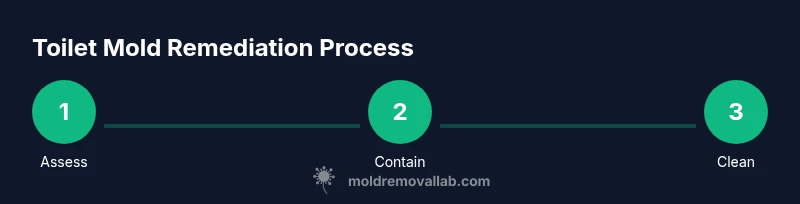
Toilet mold can be removed safely with a moisture-controlled approach: identify affected areas, wear PPE, clean with hydrogen peroxide, scrub with a brush, rinse and dry, then seal and improve ventilation to prevent recurrence. Start at the base, along caulk lines, and under the toilet rim for best results.
What is toilet mold?
Toilet mold refers to mold growth that appears in or around the toilet area, especially on the floor, baseboards, under the rim, and along caulk lines. It thrives in damp, poorly ventilated spaces and can appear as greenish, black, or gray patches. The presence of moisture, minor leaks, frequent splashes, and humidity spikes in bathrooms creates ideal conditions for growth. According to Mold Removal Lab, toilet mold is often a moisture-driven issue rather than a singular event, and it tends to recur if moisture sources aren’t addressed. Recognizing this helps homeowners target the right areas—rather than chasing every visible spot elsewhere in the bathroom. Early detection and controlled cleaning reduce spread to other bathroom surfaces and shared living spaces.
If you see mold around the toilet, treat it as a moisture management problem first. Inspect surrounding surfaces for leaks, pay attention to the wax ring integrity, and consider how bathroom ventilation is performing during and after showers. By focusing on moisture control as the root cause, you can achieve durable results and minimize re-growth over time.
Common causes of toilet mold in bathrooms
Mold growth around toilets is most often linked to excess moisture. Common culprits include high humidity levels, inadequate bathroom ventilation, and leaks from the toilet supply line, wax ring, or supply hoses. Condensation on cold surfaces and frequent splashing during cleaning can also feed mold in hard-to-see places. In some homes, improper sealing of caulk along the base or gaps where the tile meets the toilet creates tiny micro-drafts that trap moisture. If the toilet is installed on a concrete slab or wood subfloor, hidden moisture behind baseboards can fuel mold growth without visible signs on the surface. Addressing these underlying factors—ventilation, leaks, and seal integrity—reduces the chance of mold returning after cleaning. Preventive checks every 3–6 months keep issues from sneaking back into daily routines.
Another contributor is bathroom cleaning practices. Using strong cleaners in a closed space can produce fumes that irritate airways while leaving spores suspended in the air. Open windows or run an exhaust fan during and after cleaning to help dry surfaces and improve air quality. Remember that mold is everywhere, but it only becomes a problem when it finds persistent moisture and a hospitable surface to colonize.
Health risks of toilet mold
Exposure to mold spores can trigger allergic reactions, coughing, and shortness of breath in sensitive individuals, especially those with asthma or pre-existing respiratory issues. In some people, mold exposure can worsen skin irritation or trigger eye irritation. Mold Growth in bathrooms is particularly concerning because bathroom air tends to circulate spores around the room, potentially spreading to other rooms with shared ventilation. Based on Mold Removal Lab Analysis, 2026, moisture-driven mold in residential settings can contribute to indoor air quality concerns if not promptly addressed. If anyone in the home has persistent symptoms such as wheezing, nasal congestion, or throat irritation after mold exposure, seek medical advice and consider having an indoor air quality assessment performed.
Always treat mold as a possible health risk and limit direct contact with visibly moldy surfaces. Use proper PPE and ventilate the space during cleanup, especially if you have pets, children, or individuals with allergies or immunocompromise.
Immediate actions if you discover toilet mold
First, limit access to the bathroom to prevent spread and exposure. Put on PPE: N95 respirator or equivalent, gloves, and protective eyewear. Open a window or turn on the exhaust fan to ventilate. Do not scrub aggressively on dry, dusty patches, which could release spores into the air. If a leak is present, turn off the water supply to the toilet and place a temporary barrier to contain any water. Remove loose debris with disposable cloths, then rinse the affected area with water and a mild cleaning solution. After cleaning, dry thoroughly with towels or a fan. Finally, inspect nearby caulk and replace if damp or degraded. These steps limit contamination and prepare the area for deeper remediation if needed.
Cleaning methods: safe and effective for toilet mold
Effective toilet mold cleaning typically starts with non-bleach options to reduce chemical exposure. A common approach uses 3% hydrogen peroxide sprayed directly on the moldy areas, allowed to sit for 10–15 minutes, then scrubbed with a stiff brush and rinsed with clean water. Repeat as necessary on stubborn patches. Another option is a white vinegar solution applied to the surface, left for 10–15 minutes, and then scrubbed. Baking soda paste can aid in removing surface stains and absorbing odors. Avoid mixing cleaners with bleach or ammonia, which can produce hazardous gases. After cleaning, ensure surfaces are completely dry and check the caulk along the base for wear or moisture. If mold recurs after cleaning, investigate hidden sources such as behind the toilet or under the floor and plan a targeted remediation.
Preventing toilet mold: moisture control and maintenance
Prevention centers on moisture control. Use a bathroom exhaust fan during and after showers, and consider a dehumidifier in high-humidity homes. Fix any leaks promptly, and replace damaged wax rings or supply hoses as soon as signs of wear appear. Seal gaps around the base with fresh caulk designed for bathrooms, and ensure the toilet is properly mounted to reduce moisture intrusion. Regular cleaning with mild cleaners, keeping a dry surface, and wiping down the base help stop mold spores from taking hold. Finally, keep the bathroom floor dry and portable moisture absorbers can help in rooms with consistently high humidity. Regular inspections of grout lines and tile around the toilet prevent small damp spots from turning into large mold problems.
DIY vs professional remediation for toilet mold
Small, easily accessible mold around the toilet can often be handled by homeowners following proper safety procedures. If mold is visible on larger areas, behind walls, or if there is a persistent leak, it’s wise to consult a professional. A licensed remediator can determine the extent of the problem, test for hidden growth, and address structural moisture sources. Pro remediation may involve removing and replacing affected caulk, floor tiles, or portions of the subfloor if moisture has compromised them. When in doubt, start with a professional assessment to confirm whether DIY measures suffice or if a more extensive repair is needed.
Remember: the goal is to stop moisture sources and prevent re-growth. If you’re unsure, err on the side of caution and seek expert guidance from Mold Removal Lab or a trusted local professional.
A practical starting checklist for toilet mold remediation
- Identify all visible mold around the toilet: base, rim, caulk lines, and adjacent wall areas.
- Gather PPE: nitrile gloves, mask (N95), and eye protection; ensure good ventilation.
- Inspect for leaks around the base and supply lines; address promptly.
- Prepare containment to minimize spore spread (tarp, plastic sheeting).
- Clean with hydrogen peroxide or vinegar, brushing away mold with a dedicated brush.
- Dry surfaces completely using towels and a fan; avoid leaving damp areas.
- Inspect and, if needed, replace caulk and reseal the base.
- Schedule regular moisture checks and keep humidity low to prevent recurrence.
- Consider professional inspection if mold persists after cleaning or if there are hidden growths behind walls.
- Document findings and maintain a maintenance plan for ongoing bathroom moisture control.
Troubleshooting: stubborn mold and corners
If you notice persistent staining or a musty odor after cleaning, you may be dealing with deeper moisture issues or hidden growth behind walls or under flooring. Recheck seals around the base and caulk; damaged caulk should be removed and replaced. If growth returns after a cleaning, consider hiring a professional to perform a moisture assessment and determine whether structural remediation is required. A delayed response can lead to more extensive damage and higher costs, so act decisively when you observe mold that keeps reappearing.
Tools & Materials
- Nitrile gloves(Disposable; ensure tight fit)
- N95 respirator(Protects against airborne spores)
- Safety goggles(Eye protection)
- Face mask or respirator(Part of PPE set)
- Hydrogen peroxide 3%(Spray bottle; do not mix with bleach)
- White vinegar(Option for cleaning alternative)
- Baking soda(For paste and deodorizing)
- Stiff-bristle scrub brush(For grout and base areas)
- Microfiber cloths(Disposable if possible)
- Spray bottles(One for peroxide, one for vinegar)
- Plastic sheeting/tarp(Containment)
- Trash bags (heavy-duty)(Waste disposal for moldy items)
- Fan or dehumidifier(Aid drying after cleaning)
- Caulk and silicone sealant (bathroom-grade)(Replace worn caulk if needed)
- Putty knife or scraper(Gently remove damaged caulk)
Steps
Estimated time: 1-3 hours active work; up to 24 hours drying depending on humidity
- 1
Assess and gather PPE
Identify all mold-affected areas around the toilet and gather all necessary PPE and cleaning supplies. This ensures you’re prepared to clean safely and effectively without spreading spores to other rooms.
Tip: Document areas with photos before you start so you know what to recheck after cleaning. - 2
Create containment and ventilation
Open a window or run the exhaust fan. Use plastic sheeting to cover nearby surfaces and prevent spores from migrating to adjacent rooms. Containment reduces exposure during cleaning.
Tip: Seal off the bathroom with a temporary barrier if other occupants are nearby. - 3
Shut off water and inspect leaks
If you detect a leak at the base or supply lines, shut off the water supply to the toilet to stop moisture influx while you work. Address small leaks promptly to prevent regrowth.
Tip: Take photos of the area before disassembly to help reassembly later. - 4
Clean visible mold with peroxide
Spray 3% hydrogen peroxide onto moldy areas and let sit for 10–15 minutes. Scrub with a stiff brush, rinse, and repeat for stubborn patches. Dry thoroughly after cleaning.
Tip: Do not mix peroxide with bleach; it can create dangerous gases. - 5
Alternative cleaning step with vinegar
If you prefer, apply white vinegar to moldy surfaces, allow 10 minutes, then scrub and rinse. Vinegar is a mild, effective option for non-porous bathroom surfaces.
Tip: Avoid combining vinegar with baking soda in the same cleaning session for best results. - 6
Treat and deodorize
After removing visible mold, apply a baking soda paste to absorb odors and restore surface texture. Rinse and dry completely to prevent moisture retention.
Tip: Make sure to ventilate well during deodorizing steps. - 7
Inspect caulk and seal
Check caulk along the base for cracks or dampness. Remove damaged caulk carefully and re-seal with bathroom-grade sealant to prevent moisture intrusion.
Tip: Replace deteriorated caulk even if mold is not visibly present at the moment. - 8
Dry thoroughly and recheck moisture
Use a fan or dehumidifier in the bathroom to dry surfaces completely. Recheck after 24 hours for any signs of residual moisture or new mold growth.
Tip: Keep humidity below 50% if possible to deter future growth. - 9
Plan ongoing moisture control
Set up a routine: run the bathroom fan for 15–20 minutes after showers, wipe down damp surfaces, and schedule periodic inspections for mold-prone areas.
Tip: Use moisture-absorbing products in corners and along walls near the toilet. - 10
Know when to call a professional
If mold recurs, there is hidden growth behind walls, or you are unsure about containment, contact a licensed remediator. They can assess structural moisture sources and implement comprehensive remediation.
Tip: Early professional input can save time and reduce damage.
FAQ
Is toilet mold dangerous to health?
Toilet mold can trigger allergies, coughing, and respiratory irritation in sensitive individuals. It can worsen asthma and cause eye or skin irritation. If symptoms persist, seek medical advice and consider an indoor air quality assessment.
Yes, toilet mold can affect health, especially for sensitive people. If symptoms persist, consult a healthcare provider and consider testing your indoor air quality.
Can I remove mold around the toilet myself?
Small, accessible mold growth around the toilet is often manageable with proper PPE and cleaning solutions. If the mold covers a large area, or if you suspect hidden growth behind walls, hire a professional for safety and thorough remediation.
You can clean small, visible areas yourself with care, but large or hidden growth should be handled by a pro.
What cleaners are safe for toilet mold?
Hydrogen peroxide and white vinegar are common, safer options for nonporous bathroom surfaces. Bleach is not always necessary and should not be mixed with other cleaners. Always ventilate and dry surfaces completely after cleaning.
Hydrogen peroxide or vinegar work well on nonporous surfaces; avoid mixing cleaners and always dry surfaces after cleaning.
Should I replace caulk after mold remediation?
Yes, if caulk shows wear, dampness, or cracks. Replacing it with bathroom-grade sealant helps prevent future moisture intrusion and mold growth.
If the caulk is damaged, replace it to help keep moisture out after remediation.
When should I call a professional?
Call a professional when mold persists after cleaning, you detect hidden growth, or you’re uncomfortable performing remediation. A licensed remediator can assess moisture sources and perform structural repairs if needed.
If mold keeps coming back or you suspect hidden growth, contact a professional for a thorough assessment.
Does toilet mold always indicate a leak?
Not always, but persistent mold growth often signals ongoing moisture issues, such as condensation or air leaks. Even without an obvious leak, address humidity and ventilation to prevent recurrence.
Mold often points to moisture issues, even without a visible leak, so fix humidity and ventilation.
Watch Video
The Essentials
- Identify moisture sources before cleaning.
- Use safe cleaners and proper PPE during remediation.
- Dry thoroughly to prevent regrowth.
- Address leaks and reseal caulk for long-term prevention.
- Call a pro for hidden mold or persistent growth.