How to Remove Black Mold From a Sink Drain Safely
Learn why black mold in sink drain is dangerous, how to identify it, and proven steps for safe removal. Mold Removal Lab provides practical guidance for homeowners and renters seeking quick, effective remediation.


According to Mold Removal Lab, removing black mold from a sink drain is possible with careful cleaning and safety steps. The key is to address moisture, drainage issues, and organic debris while using proper PPE and proven cleaners. This quick guide highlights essential precautions, when DIY is appropriate, and when it’s best to call a professional.
What makes black mold in sink drain dangerous
According to Mold Removal Lab, black mold growing in a sink drain isn't just unsightly—it can impact indoor air quality and trigger respiratory symptoms, especially for children, seniors, or those with asthma. The most concerning threat comes from black mold species like Stachybotrys and related molds that release spores and mycotoxins when disturbed. Mold Removal Lab analysis shows that exposure may worsen coughing, throat irritation, and nasal congestion, and it can be persistent if the underlying moisture problem isn't fixed. The first step is to treat the area as a potential health hazard and follow safety guidelines to avoid spreading spores to other rooms. In kitchens and bathrooms, drains gather organic debris, soap scum, and standing water that nurture mold. Proper PPE—gloves, goggles, and an appropriate mask—limits exposure during inspection and cleaning.
How bathroom drains become mold-prone
Mold thrives where moisture lingers and organic residue accumulates. In sinks, slow-draining pipes, leaks under the cabinet, or a clogged trap create damp dark microenvironments ideal for mold growth. The problem is compounded by routine bathroom use: hot water and dampness drive condensation, pushing moisture into porous materials around the drain area. When debris feeds fungi, colonies can establish behind the drain strainer, inside the P-trap, or within the pipe joints. Regular maintenance—clearing hair, wiping down the basin, and ensuring proper drainage—helps reduce hidden moisture. Early detection matters: the sooner you notice slimy growth or a musty odor, the easier it is to stop spread and prevent scale buildup.
Signs that you have black mold in your sink drain
Common indicators include a persistent musty odor near the drain, visible dark or greenish-black growth around the drain or inside the trap, and recurrent dampness even after cleaning. Some people experience itchy eyes, sneezing, or throat irritation when in the bathroom, suggesting airborne spores may be present. If you notice staining on cabinet surfaces, warped wood, or a slimy film around the drain, treat it as mold rather than mildew. Always inspect plumbing behind the wall if feasible, since hidden moisture behind tiles or drywall can harbor mold beyond the visible drain area. Testing is optional for homeowners, but visible growth plus moisture is a strong signal to act.
Safe cleaning strategies and why not all cleaners are equal
Bleach can kill surface mold but often doesn’t reach mold embedded in crevices or porous materials. Alternatives like hydrogen peroxide and commercially available mold cleaners offer more effective penetration in some cases. The safest approach is to use products that are labeled for bathroom mold and follow the manufacturer’s directions. Avoid mixing cleaners, which can release dangerous fumes. Ventilate the space well, protect surfaces from splatter, and never mix bleach with ammonia or vinegar, which can generate toxic gases. A scrub brush and a disposable towel system help contain contamination and reduce cross-contamination to other rooms. If mold persists after cleaning and drying, it’s a sign the moisture problem is unresolved and professional remediation may be required.
Safe setup and moisture control: preventing regrowth
After cleaning, dry the area thoroughly using towels and a fan or dehumidifier. Moisture control is critical: fix leaks, seal gaps, and ensure the sink area dries within 24–48 hours. Regular COVID-style hygiene around the drain—emptying the trap, cleaning the strainer, and wiping down surfaces—reduces organic residue that fuels regrowth. Consider installing air movers or a small exhaust fan to improve air circulation in the bathroom, especially after showers. If your drain continues to stay damp or odors linger, the underlying plumbing should be evaluated by a professional to prevent recurring mold.
When to call a professional and what to expect
If you have a large mold patch, persistent moisture, or suspected mold behind walls, it’s wise to consult a licensed mold remediation professional. Professionals can identify hidden growth, remove contaminated materials safely, and verify that moisture sources are resolved. Expect a thorough inspection, moisture readings, and a remediation plan that may include containment, HEPA air filtration, and post-remediation verification. For homeowners, securing documents that confirm proper containment and disposal helps ensure peace of mind. The Mold Removal Lab team recommends erring on the safe side when mold exposure risks are suspected, as improper handling can spread spores and worsen indoor air quality.
Prevention and ongoing maintenance: long-term strategies
Prevention relies on proactive moisture management: fix leaks promptly, maintain seals around the sink, and keep ventilation adequate. Regular inspections can catch early signs of mold before it becomes a larger problem. Use absorbent towels to dry the basin after use, wipe down damp areas, and consider a routine quarterly check of the drain and trap for debris. Keeping a small bottle of mold-safe cleaner for periodic cleaning can help maintain a dry, clean drain environment. Remember, consistent maintenance is more effective and less costly than repeated remediation.
Tools & Materials
- Protective gear (N95 mask, chemical-resistant gloves, splash goggles)(Ensure PPE fits properly and never reuse contaminated PPE)
- Plastic sheeting or drop cloths(Seal off the work area to prevent spore spread)
- Disposable cleaning towels or paper towels(Use once and discard appropriately)
- Scrub brushes (stiff nylon)(Bring different sizes for tight spaces)
- Bucket and spray bottle(Label spray solutions clearly)
- Mold-killing cleaner (bleach alternative or hydrogen peroxide if advised)(Choose a product appropriate for bathroom mold and follow label directions)
- Trash bags (heavy-duty, leak-proof)(Seal and dispose of contaminated materials safely)
- Fan or dehumidifier(Speed up drying in the area after cleaning)
Steps
Estimated time: 60-90 minutes plus 24–48 hours drying
- 1
Prepare the workspace and protect occupants
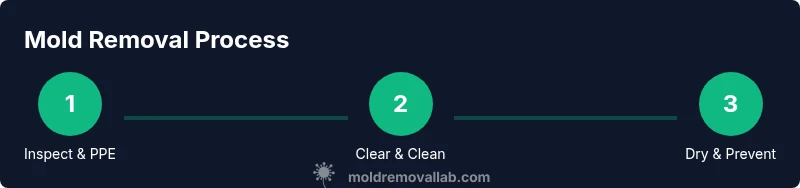
Put on PPE, ventilate the room, and lay down plastic to contain splatter. Remove any nearby items that could become contaminated and place a tray or bucket under the drain to catch runoff.
Tip: Containment reduces cross-room contamination; seal edges with tape. - 2
Remove standing water and access the area
Use towels or a sponge to remove visible water from the sink basin and trap. If you can access the P-trap, detach it carefully to inspect for mold growth inside the trap and pipes.
Tip: Do not force the trap; if it’s hard to detach, stop and reassess moisture source. - 3
Apply mold cleaner and scrub
Spray the cleaner on all affected surfaces, including the basin, drain, and trap exterior. Scrub with a stiff brush, paying attention to crevices and the underside of the strainer.
Tip: Allow a dwell time per product label to maximize efficacy. - 4
Rinse and dry thoroughly
Rinse with clean water and wipe with disposable towels until all residue is removed. Use a fan or dehumidifier to speed drying, aiming for a completely dry surface within 24–48 hours.
Tip: Moisture control is the single most important factor in preventing regrowth. - 5
Dispose of contaminated materials
Seal used towels, rags, and disposable gloves in a trash bag. Place bag in an exterior trash bin to avoid indoor contamination.
Tip: Do not reuse cleaning tools that contacted mold without proper disinfection. - 6
Reinspect and monitor for regrowth
Check the drain area over the next weeks for new growth or odors, then treat promptly if symptoms recur. Consider scheduling a professional inspection if regrowth occurs.
Tip: Document any signs of moisture and mold to help future prevention.
FAQ
Is black mold in a sink drain dangerous to health?
Yes. Prolonged exposure to black mold can irritate eyes, skin, and the respiratory system, especially for children, seniors, and those with asthma. Disturbing mold can release spores into the air.
Yes. Black mold can affect health, especially for sensitive people; avoid disturbing it and follow proper cleanup steps.
What should I use to clean black mold in a sink drain?
Choose a bathroom-safe mold cleaner or hydrogen peroxide. Bleach is effective on non-porous surfaces but may not reach mold inside crevices. Always follow label directions and ventilate the area.
Use a bathroom-friendly cleaner or hydrogen peroxide and follow the label; avoid mixing cleaners.
Can I DIY mold cleanup, or do I need a professional?
Small, surface-level growth with no signs of moisture behind walls can often be DIY with precautions. Persistent moisture, large patches, or growth behind walls require a licensed professional.
Small, surface mold may be DIY with care; persistent or hidden mold needs a pro.
How can I prevent mold from returning after cleaning?
Fix leaks, improve ventilation, dry the area thoroughly after use, and clean drains regularly to reduce organic residue that feeds mold.
Repair leaks, ventilate, dry the area, and clean drains regularly to prevent recurrence.
What if mold keeps coming back after cleaning?
Recurring mold usually means an unresolved moisture source. Revisit plumbing leaks and consider professional assessment if it persists.
If mold returns, there’s a moisture issue; reassess plumbing or call a pro.
Are certain molds more dangerous than others?
Some molds, like black mold species, can produce irritants and mycotoxins. Any visible mold behind walls or in humid areas warrants caution and proper remediation.
Some molds can be irritants or toxins; treat any visible mold seriously.
Watch Video
The Essentials
- Treat moisture and debris to stop mold growth.
- Wear PPE and ventilate during cleaning.
- Use products labeled for bathroom mold and avoid mixing cleaners.
- Dry thoroughly to prevent regrowth; monitor area over time.