Bathroom Mold Removal: Safe Step-by-Step Guide for Homes
Learn proven, safety-first bathroom mold removal methods for homeowners and renters. This step-by-step guide covers detection, containment, cleaning, drying, and prevention to keep your space healthy.


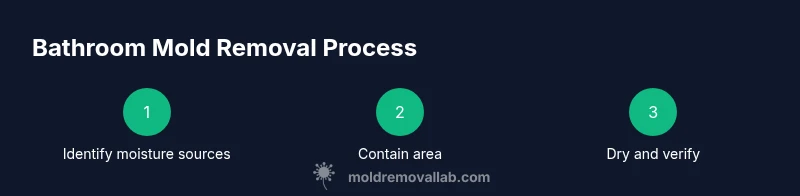
Bathroom mold removal can be safely achieved by first containing the area, then cleaning with appropriate cleaners, drying thoroughly, and finally monitoring humidity to prevent recurrence. This method emphasizes moisture control, proper PPE, and stepwise cleaning. According to Mold Removal Lab, starting with moisture containment dramatically reduces exposure and future growth.
Why Bathroom Mold Growth Happens
Bathrooms are designed to be warm and damp places, which makes them ideal environments for mold. The most common culprits are unseen leaks, sustained high humidity, and poor ventilation. Even short showers can raise humidity quickly, causing mold spores in surfaces to multiply. Over time, moisture penetrates grout, caulk, and porous materials, establishing a colony behind tiles or under fixtures. According to Mold Removal Lab analysis, consistent moisture exposure is the primary driver of bathroom mold, so controlling humidity and addressing leaks is the single most effective prevention strategy. Regular inspections of the shower stall, sink plumbing, and vent fans help catch problems before a visible patch appears. This section offers a practical framework to identify sources of moisture and plan a safe, effective containment strategy.
Assessing the Scope: Detecting Mold in a Bathroom
Mold growth in bathrooms can be subtle. Look for visible patches on grout, caulk, and wall surfaces, or a musty odor that lingers after cleaning. Hidden mold often nests behind tiles, under vanity bases, or inside ceiling cavities where leaks have occurred. A quick moisture check around the shower, tub, and sink helps distinguish transient dampness from a persistent problem. Mold Removal Lab notes that consistent dampness is a strong predictor of ongoing growth, so if you sense dampness daily, treat it as a warning sign and broaden your inspection. Document findings with photos to guide cleanup and to communicate with anyone else sharing the space. Based on Mold Removal Lab research, most bathroom moisture problems originate from venting gaps and minor leaks.
Containment and Safety Before Cleaning
Safety comes first in bathroom mold removal. Put on an N95 respirator, nitrile gloves, and eye protection. Seal off the work area with plastic sheeting to prevent spores from drifting into adjacent rooms. Keep children and pets out of the area during cleanup, and switch off any ceiling fans or HVAC circulating air near the space to avoid spreading mold particles. Adequate ventilation is important when cleaning, but do not rely on temporary fans to remove moisture for long periods. This stage reduces exposure risk and protects surfaces nearby from contamination. Mold Removal Lab emphasizes following a strict containment protocol to minimize cross-contamination.
Safe Cleaning Methods for Bathroom Mold Removal
Use a mild detergent and warm water to remove visible grime from nonporous surfaces first. For stubborn patches, options include white vinegar, hydrogen peroxide, or baking soda paste, applied with a scrub brush. Bleach can be effective on nonporous surfaces like porcelain, enamel, and glass, but never mix bleach with ammonia or other cleaners. Porous materials, such as drywall or insulation behind tiles, are often not salvageable after mold growth and should be removed and replaced. Always test a small area first, and stop if you notice discoloration or a strong odor indicating deeper contamination. Mold Removal Lab emphasizes safety and proper technique to minimize exposure.
Drying and Dehumidification: Prevent Regrowth
Drying is as important as cleaning. After washing a surface, wipe it dry with microfiber cloths and run a dehumidifier or a high-flow fan to move air across the area. Keep the bathroom well-ventilated during and after cleanup to speed evaporation and reduce residual humidity. Check for condensation on windows, mirrors, and tiles, and address the source of moisture promptly—leaks, dripping pipes, or poor ventilation. A dry environment helps prevent regrowth and protects adjacent materials from moisture damage.
Porous Materials: When to Remove and Replace
Mold can deeply embed itself in porous building materials. If drywall, insulation, or baseboards have absorbed moisture for an extended period, they may harbor hidden colonies that cleaning cannot reach. In such cases, removing and replacing affected materials is often the safer option to stop mold from returning. After removal, treat the area with mold-resistant products and seal joints to reduce future moisture ingress. Always dispose of contaminated material in sealed bags to prevent spreading spores.
Ventilation Upgrades: Long-Term Prevention
A robust ventilation strategy reduces the chance of recurrence. Install or upgrade a bathroom exhaust fan that vents to the outdoors, and ensure any vent ducts are clean and unobstructed. If possible, open a window during and after showers to help moisture escape. Regularly run fans after bathing for a consistent period, and consider a humidity-sensing control if the space frequently holds moisture. These steps help maintain a drier bathroom environment, making mold less likely to take hold.
Documentation and Maintenance Plan
Create a simple remediation log that records dates, findings, cleaning products used, and any repairs made to plumbing or ventilation. Measure humidity and temperature, and revisit the space weekly for the first month after cleanup. Keep receipts and notes on replacement materials and sealants so you can refine your maintenance routine over time. This habit supports long-term mold prevention and helps you spot recurring issues early.
Common Mistakes to Avoid
Avoid skipping the drying step or rushing cleanup, which invites regrowth. Do not mix cleaners or use ammonia-based products with bleach. Reusing contaminated cloths or sponges can spread spores to other areas. Failing to fix the moisture source—like a leaky pipe or inadequate ventilation—will almost guarantee mold returns. Finally, ignore hidden mold behind walls; if you doubt the extent, seek professional advice before proceeding.
Real-World Case Study: A Small Bathroom
A homeowner found a faint musty smell and a few gray patches along the grout after a winter. They started by sealing off the bathroom, cleaning visible mold with a detergent solution, and drying the space with a dehumidifier. They identified a slow-leaking shower valve as the moisture source and repaired it. After replacing affected drywall sections and applying a mold-resistant primer, the bathroom stayed dry for several months, and the patch never returned. This example illustrates how targeting moisture is more important than aggressive scrubbing alone.
Authority Sources and Further Reading
- EPA Mold: https://www.epa.gov/mold
- CDC Mold: https://www.cdc.gov/mold/default.htm
These government resources offer guidelines on mold health risks, detection, and prevention strategies. For further reading, consult your local university extension or a licensed professional if you encounter ongoing moisture problems or extensive growth.
Final Notes: Keeping Bathrooms Mold-Free
Proactive maintenance, regular inspections, and quick responses to leaks are the best defense against bathroom mold. By combining proper cleaning with ongoing moisture control, you can maintain a healthier living environment and protect your home’s structure from moisture damage. The strategies outlined here are designed for homeowners and renters who want practical, evidence-based steps to manage bathroom mold effectively.
Tools & Materials
- N95 respirator mask(Protects against fine mold spores during cleanup)
- Nitrile gloves(Chemical-resistant; extends to wrists)
- Goggles or safety glasses(Eye protection against splashes)
- Plastic sheeting or drop cloths(Seal off the work area to prevent spread)
- Spray bottle with water and mild detergent(For initial cleaning of nonporous surfaces)
- Scrub brush or sponge(Medium stiffness for grout and surfaces)
- Microfiber cloths(For wiping and drying surfaces)
- Bucket(Rinse and mix cleaning solutions)
- Trash bags (heavy-duty)(Seal and dispose of contaminated materials)
- Dehumidifier or high-flow fan(Speeds drying; optional but recommended)
- Bleach or hydrogen peroxide (optional)(Use only on nonporous surfaces and never mix with ammonia)
Steps
Estimated time: 2-6 hours
- 1
Identify moisture sources
Survey bathroom for leaks and ongoing dampness. Check under sinks, around fixtures, and behind fixtures for signs of water intrusion. Document findings with photos to guide repairs and cleanup.
Tip: Use a moisture meter if available to track damp areas. - 2
Contain the area
Close doors and seal the work zone with plastic sheeting to prevent spores from spreading to other rooms. Move items away from the work area and cover adjacent surfaces.
Tip: Tape edges securely to create a tight barrier. - 3
Ventilate the space
Turn on the bathroom exhaust fan or open a window to improve airflow while you work. Direct air across surfaces to speed drying after cleaning.
Tip: Avoid forcing air into walls where mold may be concealed. - 4
Choose an appropriate cleaner
Start with a mild detergent solution for general cleaning. If needed, use vinegar or hydrogen peroxide on nonporous surfaces. Never mix cleaners, especially bleach with ammonia.
Tip: Test a hidden area first to ensure no damage. - 5
Scrub visible mold
Scrub affected areas with a brush or sponge, focusing on grout lines and seams. Apply sufficient pressure to remove surface biofilm without damaging surfaces.
Tip: Rinse frequently to prevent spreading loosened material. - 6
Rinse surfaces
Wipe surfaces with clean water to remove cleaning residue. This reduces the chance of chemical reactions that could irritate skin or air quality.
Tip: Dispose of rinse water away from porous materials. - 7
Dry surfaces thoroughly
Use microfiber towels to dry surfaces, then run a dehumidifier or fan to move air through the area until it's completely dry.
Tip: Do not leave damp patches behind, as moisture invites regrowth. - 8
Assess porous materials
If drywall, insulation, or porous baseboards are soaked, consider removing and replacing them to prevent hidden growth.
Tip: Label removed materials for disposal and handle with care. - 9
Apply protective coating
After repairing moisture sources, apply mold-resistant primer or sealant to affected areas before repainting or retiling.
Tip: Choose products labeled for mold resistance and compatible with your surface. - 10
Recheck humidity control
Ensure ventilation remains functional and that humidity is controlled to prevent future growth.
Tip: Install a humidity monitor if the space struggles with moisture. - 11
Dispose of waste safely
Place contaminated materials in sealed bags and remove them from living spaces promptly.
Tip: Wash hands and exposed skin after handling waste. - 12
Document and plan follow-up
Keep a remediation log and schedule periodic checks to catch issues early.
Tip: Set reminders for seasonal moisture checks.
FAQ
What is the first step in bathroom mold removal?
Identify moisture sources and contain the area before cleaning to reduce exposure and prevent spread. This sets the foundation for effective remediation.
Start by locating moisture sources and isolating the space before you begin cleaning.
Is bathroom mold dangerous to health?
Mold exposure can irritate eyes, skin, and lungs. People with allergies or asthma may experience heightened sensitivity. Ventilation and protective gear reduce risk during cleanup.
Mold can irritate breathing and eyes; use protection and ventilate the area when cleaning.
Can I use bleach to remove bathroom mold?
Bleach can kill mold on nonporous surfaces but may not reach mold embedded in porous materials. Avoid mixing with ammonia and consider gentler cleaners for porous surfaces.
Bleach works on hard, nonporous surfaces, but be careful with porous materials.
How long does it take to dry after cleaning?
Drying time varies with airflow and humidity. Use a fan or dehumidifier and ensure a thorough dry before closing the space to prevent regrowth.
Drying times vary; keep the space dry and ventilated until completely dry.
When should I hire a professional for bathroom mold?
Call a professional if mold covers a large area, recurs after cleaning, or you suspect hidden growth behind walls or ceilings.
If mold is extensive or keeps coming back, it’s time to get a professional.
Can mold return after removal even after cleaning?
Yes, if the underlying moisture problem isn’t resolved. Fix leaks, improve ventilation, and monitor humidity to minimize recurrence.
Mold can come back if moisture isn’t controlled; fix the source and monitor humidity.
Watch Video
The Essentials
- Contain the area to stop mold spread.
- Use appropriate cleaners and avoid mixing chemicals.
- Dry thoroughly to prevent regrowth.
- Address the moisture source for lasting results.
- Maintain ventilation and monitor humidity long-term.