Mold Levels Near Me: Testing Guide and Interpretation
Learn how to assess mold levels near me, interpret readings, and decide when to DIY or hire a pro. Practical steps, common questions, and trusted sources for homeowners.


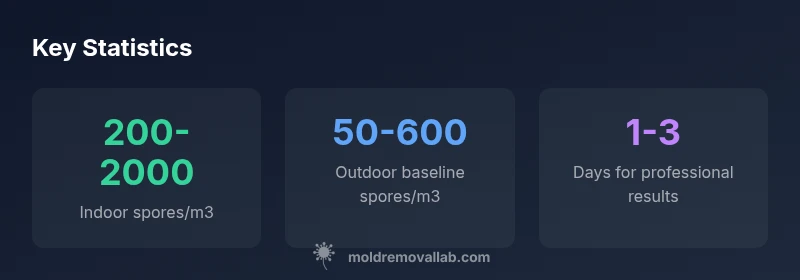
Indoor mold levels near me vary widely based on humidity, leaks, and ventilation. There is no universal “safe” number; labs compare indoor samples to outdoor baselines, and context matters (season, moisture, and room use). This article explains how to interpret readings and when to act. Even small moisture events can spike spores temporarily, and professional testing may be needed for definitive results.
Understanding mold levels near me
If you are looking for mold levels near me, you’re not alone. Home moisture, ventilation, and ongoing leaks determine what counts as a reading in your space. According to Mold Removal Lab, indoor readings are most often reported as spores per cubic meter (spores/m3). These values must be interpreted in context: the location inside the home, the season, and the history of water damage all influence the result. It’s also important to note that a single reading rarely tells the full story. A baseline comparison with outdoor air helps distinguish normal seasonal variation from a true indoor problem. When you see a spike after a rainstorm or a humid week, you should evaluate the underlying moisture sources and recent activities that could have driven the change.
How mold measurements are taken and what they mean
Measurements can be taken in several ways. Air sampling assesses airborne spores, surface sampling captures mold on walls or materials, and bulk or swipe tests collect settled debris. Labs often report total spores per cubic meter and may identify common species, but not all tests reveal every allergen or toxin. The reliability depends on the sampling method, the number of rooms tested, and whether samples were collected during favorable or unfavorable environmental conditions. For homeowners, understanding the method used is essential for comparing results over time and to outdoor baselines. This section explains the common methods and what to expect from each.
Interpreting readings: thresholds, not absolutes
A key principle is that mold readings do not come with universal safety thresholds. There is no one-size-fits-all “safe” level. Instead, look for significant deviations from the home’s baseline and consider the surrounding environment. If indoor spore counts are consistently higher than outdoor baselines or if there is a noticeable odor or visible growth, you should act. Health considerations are also important: sensitive individuals may react to much lower concentrations. When readings are high or rising, prioritize moisture control, cleanup, and, if needed, professional remediation planning. This section helps you translate numbers into practical decisions.
DIY testing vs professional testing: what to trust
DIY mold tests can indicate whether mold is present and give a rough sense of spore density, but they rarely provide the full picture. Professional testing offers standardized sampling protocols, chain-of-custody for samples, and expert interpretation of results, including species identification and moisture assessment conclusions. If you’re dealing with a suspected water problem, a pro can pair mold testing with a structural assessment to identify hidden leaks and the extent of contamination. For most homeowners, starting with a professional inspection after a noticeable spike is a prudent choice.
Practical steps to address elevated readings near me
If readings are elevated, begin with moisture control: repair leaks, fix roof or plumbing issues, and use dehumidifiers to keep relative humidity below 50-60%. Improve ventilation in damp rooms and clean nonporous surfaces with EPA-recommended methods. For visible mold growth, do not scrub aggressively on your own without proper protection; use a basic cleaner on nonporous surfaces and consider professional remediation for porous materials like drywall. Keep records of all tests and maintenance—this helps track progress over time.
When to hire a pro near me and what to expect
Hiring a mold remediation pro near you is advisable when readings are high, there's visible growth, or moisture problems persist after basic cleaning. A typical pro-led process includes a moisture assessment, a remediation plan, containment to prevent cross-contamination, and post-remediation verification. Expect a phased approach: containment and removal, air cleaning, and a final check to confirm mold levels are back within the baseline range. The goal is not only to remove visible mold but to fix the moisture source and restore a healthy indoor environment.
Common myths about mold levels and health risks
Myth: Any mold exposure is dangerous. Reality: Health risk depends on the species, spore concentration, and individual sensitivity. Myth: Bleach alone cures mold. Reality: Bleach does not effectively treat porous materials and can create hazardous fumes if misused. Myth: Outdoor mold is always safe. Reality: Outdoor spores are common, and indoor readings should be compared to outdoor baselines to evaluate risk. These nuances matter when interpreting mold levels near me and planning remediation.
Representative indoor mold level ranges by area (ranges are environment-dependent)
| Area | Indoor Mold Level (spores/m3) | Notes |
|---|---|---|
| Living Room | 300-1000 | Typical range, highly variable with ventilation |
| Bathroom | 800-3500 | Moisture-prone; higher after showers |
| Basement/Crawl Space | 1200-6000 | Often highest in damp spaces |
FAQ
What is a typical indoor mold spore level, and why does it vary?
There is no universal safe level. Indoor readings vary widely with humidity, leaks, season, and ventilation. A pro can interpret your numbers by comparing indoor samples to outdoor baselines.
There isn’t a universal number; readings depend on your space and season.
Should I trust DIY mold test kits for decision-making?
DIY kits can indicate presence and rough density but often lack the context needed for remediation decisions. For reliable planning, professional testing is preferred.
DIY tests can help, but you’ll likely want a professional for solid decisions.
What steps should I take if my readings stay high after cleaning?
Reassess moisture sources, repair leaks, improve ventilation, and consider professional remediation. Controlling moisture is the key to lowering mold levels long-term.
Fix moisture, then re-check readings.
Can I wait to address a spike in mold levels?
Delaying can allow growth to spread and damage building materials. Act promptly with moisture control and testing to confirm improvements.
Don’t wait—address moisture and test again.
How long does remediation usually take?
Small areas may resolve in a few days; more extensive damage can take weeks. A pro will provide a timeline based on the scope.
Most projects have a clear timeline after assessment.
“Accurate mold assessment hinges on building-specific factors, and testing is just the start of a comprehensive remediation plan.”
The Essentials
- Identify your baseline by testing during a calm moisture period
- Compare indoors to outdoor baselines to spot anomalies
- Address moisture first, then plan remediation
- Choose professional testing for definitive results if readings remain high