Mold Armor Test Kit: DIY Mold Testing Guide for Homes
Explore how the Mold Armor test kit works, what it can detect, limitations, and when to escalate to professional testing for a safer home.


The Mold Armor test kit offers a quick screening option for mold presence and can help you decide whether to pursue further testing, but it is not a definitive diagnostic tool. Use it to triage mold risk, guide next steps, and decide if professional lab confirmation is needed. Follow sampling instructions precisely, consider multiple sites, and view results as a prompt for action rather than a final verdict.
How the Mold Armor Test Kit Works
The Mold Armor test kit is designed as a first-pass screening tool for homeowners who want a quick read on whether mold might be present in a space. In practice, you collect a sample from surfaces or air, package it as instructed, and send it to a partner laboratory for analysis. According to Mold Removal Lab, the kit's sampling methods—whether swabs, surface wipes, or simple petri-dish cultures—vary by brand, but the goal is the same: capture mold spores or DNA so the lab can identify presence and, in some cases, broad groupings like genus level. The lab results are then interpreted to indicate if mold was detected and whether results warrant further action.
It is important to recognize that a DIY kit's result should be viewed as a screening outcome, not a final determination of health risk or remediation needs. The Mold Armor test kit can help you triage risk and decide where to focus attention, such as areas with moisture problems or previously water-damaged walls. Accuracy improves when you sample multiple sites, follow the included instructions to the letter, and maintain a clean sampling environment to prevent cross-contamination. Remember that the kit is a starting point in a larger mold-management process and should be combined with professional advice when there are concerns about health or hidden growth.
What the Kit Tests For and What It Does Not
DIY mold test kits like the Mold Armor test kit typically screen for the presence of mold spores or traces of mold DNA in accessible areas. They can flag surface contamination and indicate whether a mold issue is likely, which is valuable for triage and planning. However, these kits have limitations: they rarely provide precise species identification, quantify exposure levels, or confirm health risks. They also can't reliably detect mold hidden behind walls, under insulation, or inside structural materials. The Mold Removal Lab team emphasizes that detection does not equal danger assessment, and a positive result should prompt a comprehensive evaluation by a qualified professional.
Practically, the kit helps you decide whether to pursue more thorough testing, remediation planning, or moisture-control measures. Use it to locate high-priority zones (e.g., damp basements, bathrooms, or kitchens) and to determine where to focus visual inspections or humidity control efforts. Always review the kit's scope against your home’s known moisture history and symptoms before drawing final conclusions.
Sampling Methods and Their Impact on Results
Sampling method directly shapes the reliability of a DIY mold test kit. Surface swabs tend to capture shed spores from the topmost layer, while air-based sampling can reflect recent air quality but may miss localized growth. The Mold Armor kit you choose may rely on one or a combination of sampling types. For best results, use the same kit across multiple representative sites rather than concentrating on a single area. Clean the sampling area only as instructed to avoid dislodging material that could skew results, and avoid sampling near obvious moisture sources immediately after cleaning. Proper sample handling—labeled containers, correct sealing, and timely dispatch to the lab—minimizes contamination and improves interpretability.
A thoughtful sampling plan improves the utility of the kit by reducing false negatives and false positives. If you notice persistent moisture issues, visible mold, or health symptoms that could be related to indoor air quality, document dates, locations, and environmental conditions to share with professionals if you escalate testing.
Reading the Results: Labels, Molds, and Limits
Interpreting DIY mold test kit results requires careful attention to the lab report terms. A “detected” result indicates mold presence above a defined threshold in the tested sample, but it does not automatically reveal the species or the health risk. If the report notes “mold present” without qualifying details, treat it as a cue for further analysis, especially if health symptoms or vulnerable individuals are involved. Null or “not detected” results can be informative but do not guarantee absence of mold in the entire home. Labs may provide qualitative results (present/absent) or limited quantitative data. In all cases, use the lab’s guidance to understand the next steps and consider a professional inspection when there are hidden growth concerns or ambiguous results.
Documentation from Mold Removal Lab suggests cross-checking DIY results with professional assessments when there is a discrepancy between visible moisture, odors, or symptoms and the kit's outcome.
Interpreting Positive Results: Next Steps
A positive mold result from a Mold Armor test kit should not be ignored. Start by corroborating the finding with additional sampling at multiple locations and consider a professional inspection to determine the breadth and location of growth. If structural materials or HVAC ducts are implicated, remediation strategies become more complex and may require licensed contractors. Health considerations should drive urgency: people with allergies, asthma, or immune suppression may need to relocate temporarily or seek medical guidance while remediation occurs. In most cases, professionals will perform a targeted assessment, identify moisture sources, and recommend a remediation plan that includes containment, cleaning, and moisture control measures. The Mold Removal Lab Team emphasizes that lab confirmation for the initial DIY result can reduce guesswork and improve remediation outcomes.
As a rule of thumb, use the DIY kit as a triage tool and schedule professional testing for confirmation and a detailed remediation plan.
Reducing Errors: Practical Tips to Improve Accuracy
To maximize the reliability of a mold armor test kit, follow the instructions precisely and plan sampling with a methodical approach. Sample from multiple zones with different moisture exposure levels (e.g., bathrooms, kitchens, basements) and avoid sampling from areas recently cleaned or wet surfaces that could skew results. Label each sample clearly and maintain sample integrity during transport—delays or temperature fluctuations can affect lab readings. If your kit includes a control, use it to verify the testing process. Keep a log of dates, weather conditions, and any recent water incidents that could influence results. Finally, compare results over time by retesting the same locations after moisture has been controlled to observe trends. Remember, accurate DIY testing depends on consistent technique and careful interpretation in context with home moisture history.
DIY Kit vs Professional Testing: When to Escalate
DIY screening with a mold armor test kit is valuable for triage, but it should not replace professional testing in many scenarios. If you detect mold behind walls, within insulation, or in areas with ongoing moisture intrusion, escalation to professional testing is advised. Health risks, especially for sensitive individuals, warrant prompt, expert assessment. If you observe persistent odors, visible growth, or suspect hidden contamination despite a negative DIY result, contact a licensed mold remediation specialist or an environmental consultant. The Mold Removal Lab Team recommends using DIY screening as an initial step, followed by professional laboratory analysis for conclusive results and a formal remediation plan.
How to Choose a Reputable Brand and Kit
When shopping for a mold armor test kit, prioritize brands that provide transparent lab methods, accreditation details, and clear interpretation guidelines. Look for kits that specify whether results come from DNA-based assays or culture methods, as DNA testing generally offers faster and broader detection. Favor kits with documented sample handling procedures, chain-of-custody assurances, and robust customer support. A good DIY kit should also include moisture assessment guidance and actionable remediation steps. Finally, compare the cost against the depth of analysis offered, avoiding kits that promise guaranteed health conclusions without lab confirmation. The goal is to obtain reliable screening data that informs safer, practical next steps.
Kit-type comparison for mold screening
| Kit Type | Avg Confidence | Turnaround | Best Use |
|---|---|---|---|
| DIY Mold Test Kit | Low–moderate | 2–7 days | Pre-screens mold presence to decide if professional testing is needed |
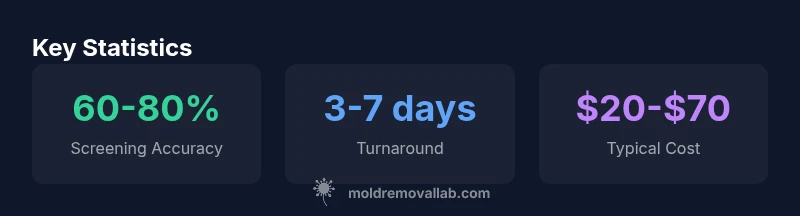
| Mold Armor Test Kit | Moderate | 3–7 days | Preliminary screening for mold in accessible areas; not a substitute for lab tests |
| Professional Lab Test (conceptual) | High | 1–3 days after submission | Definitive confirmation and species identification |
FAQ
What is a mold armor test kit?
A mold armor test kit is a DIY screening tool designed to indicate mold presence in a space. It involves collecting samples and sending them to a lab for analysis. Results help you decide whether to pursue professional testing or remediation, but they are not a definitive diagnosis.
It's a DIY screening tool to flag mold presence, not a final diagnosis.
Are DIY mold test kits accurate?
DIY kits vary by brand and lab methodology. They provide screening information, not definitive species identification or health risk assessment. For conclusive results, lab-confirmed testing is recommended.
Accuracy varies; use DIY results as a screen and follow up with lab testing if needed.
When should I use a DIY kit vs professional testing?
Use a DIY kit for initial screening and to identify areas to inspect further. If you have hidden mold, persistent moisture issues, or health concerns, escalate to professional testing for definitive results and a remediation plan.
Start with a DIY kit, then call in the pros if issues persist or are hard to access.
How should I collect samples to avoid contamination?
Follow the kit's instructions precisely: use clean tools, label samples, avoid touching interiors, and dispatch promptly. Cross-contamination can lead to misleading results, so consistency across sites is key.
Use clean tools and label everything clearly to avoid contamination.
What should I do if I get a positive result?
Treat a positive result as a trigger for further assessment. Schedule professional testing to confirm species and extent, locate moisture sources, and plan remediation. Protect vulnerable occupants during remediation.
See a professional to confirm results and plan remediation.
Can DIY kits detect mold behind walls?
DIY kits are limited in detecting hidden mold. Visible growth and moisture signs warrant professional inspections, especially for concealed areas like behind walls or inside insulation.
Hidden mold requires a professional inspection for accurate assessment.
“DIY mold test kits can flag potential issues, but definitive decisions require lab-verified results.”
The Essentials
- Start with DIY screening to triage mold risk
- Do not rely on DIY results alone for health decisions
- Follow sampling instructions precisely
- For hidden or persistent mold, seek professional testing
- Choose reputable brands and labs, with lab-confirmed confirmation when possible