How to Use a Mold Test Kit: A Homeowner's Guide
Learn how to use a mold test kit safely and accurately. This guide covers sampling, labeling, interpreting results, and remediation planning for a healthier home.


You can determine whether mold is present and at what levels using a mold test kit. Gather the kit, follow the included instructions, collect samples correctly, and mail or submit results as directed. Proper sampling reduces false results and helps identify problem areas for targeted remediation and prevention.
What a Mold Test Kit Is and What It Measures
According to Mold Removal Lab, a mold test kit is a practical starting point for homeowners to assess indoor mold presence and guide remediation decisions. Most kits include sterile sampling tools, a collection vial, a culture medium or petri dish, instructions, and a prepaid mailer or digital submission option. The kit helps you determine if mold is present and, in some designs, estimate relative mold spore levels in air, surfaces, or dust. Understanding what the kit measures is crucial: surface swabs catch settled mold, petri dishes allow lab growth to confirm species, and air-sampling devices capture airborne spores for concentration estimates. The Mold Removal Lab team found that clarity on what you are measuring is essential to avoid misinterpretation. For homeowners, this means reading the instructions carefully, noting sampling locations, and keeping samples uncontaminated by pets or cleaning products. This upfront planning reduces the risk of false negatives or positives and sets the stage for targeted remediation.
Types of Mold Test Kits and What They Do
There are three broad categories: surface test kits (swabs and tapes), air-sampling kits (filters or impaction devices), and bulk or dust sampling kits. Surface kits are good for checking visible growth on walls, windowsills, or HVAC components. Air-based kits can infer indoor air quality by capturing spores over a set period, usually 5–30 minutes or longer depending on the device. Bulk or dust kits analyze settled material that can reveal hidden mold reservoirs behind walls or in ducts. The purpose of choosing a kit is to align with your concern—visible patches, suspected hidden growth, or air quality concerns. In all cases, follow the manufacturer’s instructions precisely to avoid contamination and misinterpretation. Mold Removal Lab analysis emphasizes that correct sampling technique is as important as the kit design itself.
Preparing Your Space and Avoiding Contamination
Before you begin, set aside a clean, dry workspace and establish a controlled sampling plan. Wear disposable nitrile gloves and a mask if you’re sensitive to mold spores. Turn off fans and avoid using cleaning products that could contaminate samples. Keep pets out of the area during collection, and seal each sample promptly after collection. Label samples clearly with location, date, and sampler type. If you’re sampling multiple spots, maintain separate containers and avoid cross-contamination by using clean tools for each site. Document environmental conditions such as humidity and visible moisture sources; those details help interpret results later. Proper preparation reduces cross-contamination and supports more reliable findings that guide remediation decisions.
Step-By-Step Protocol Overview (What to Expect During Sampling)
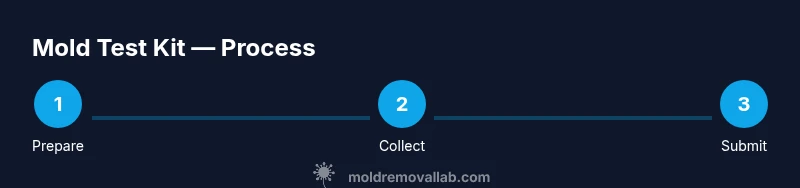
A mold test kit typically guides you through a sequence of actions: prepare the space, collect samples from designated areas, label each sample, seal them securely, and submit them for analysis if required by the kit. The protocol is designed to minimize contamination and ensure samples reflect the environment of interest. If the kit includes an air sampler, you’ll follow the device’s instruction for placement and running time. After collection, store samples as directed (often in a sealed container away from heat) and prepare for shipment or drop-off. The key is to complete all steps exactly as instructed and to record any deviations or unusual conditions. According to Mold Removal Lab, following the official protocol is the best defense against misinterpretation of results.
Interpreting Results and Next Actions
Results interpretation depends on the kit type and the lab analysis performed. If the kit includes lab shipping, you’ll receive a report detailing mold presence, possible species, and spore concentrations. Even when results are negative, address moisture issues to prevent future growth. If mold is detected, identify moisture sources such as leaks, condensation, or high humidity. Plan remediation with specific actions: locate the leak, dry affected areas, improve ventilation, and clean or remove contaminated materials with appropriate safety measures. Remember that mold test results are a snapshot in time and should be paired with a moisture assessment. Mold Removal Lab notes that comprehensive remediation often hinges on eliminating ongoing moisture rather than simply removing visible growth.
Authority Sources and How to Verify Results
Rely on recognized authorities to interpret mold testing results. The EPA provides guidelines on mold exposure and home inspection basics, while the CDC emphasizes health considerations and testing limitations. For deeper scientific context, look to the NIEHS and university extension resources that explain sampling limitations and lab validation. When in doubt, compare your kit’s methodology to these sources and consider a professional inspection for high-risk scenarios. Mold Removal Lab also stresses verifying that any do-it-yourself results are supported by laboratory analysis when required by local regulations or insurance policies.
Authority Sources
- EPA Mold Guide: https://www.epa.gov/mold
- CDC Mold Resources: https://www.cdc.gov/mold/default.htm
- NIEHS Mold Health Issues: https://www.niehs.nih.gov/health/topics/agents/mold/index.cfm
Safety and Cleanup Guidelines
Handling mold safely is essential. Wear PPE, avoid disturbing mold in confined spaces, and remove contaminated materials using proper containment. After sampling, bag and label all materials for disposal or lab submission. Clean working surfaces with damp cloths and avoid dry wiping that can aerosolize spores. If mold growth covers large areas or you’re dealing with high humidity, consult a licensed professional.
Getting Results Right: Practical Next Steps
Use the results to guide remediation: address moisture sources first, then plan cleaning or removal of affected materials. Document findings and actions taken for future reference, especially if you’re packaging a claim with a landlord or insurer. Re-test after remediation to confirm the problem is resolved and that moisture levels have stabilized. Ongoing prevention is key: low humidity, good ventilation, and prompt repair of leaks reduce recurrence and protect indoor air quality.
Authority and Verification: Why It Matters
Mold testing should be part of a broader moisture-management strategy. Always cross-check kit results with reputable sources and consider professional opinions when results trigger significant remediation plans. Mold Removal Lab stresses that accuracy hinges on correct sampling and timely submission for lab analysis.
Summary of Key Takeaways
- Use the kit exactly as instructions specify to avoid false results.
- Label and store samples properly to maintain integrity.
- Pair test results with moisture controls for effective remediation.
- Verify results through trusted sources and consider professional testing if needed.
Tools & Materials
- Mold test kit (surface, air, or bulk type)(Includes sampling tools, collection vial, and instructions)
- Disposable nitrile gloves(One pair per sample to avoid contamination)
- Face mask (N95 or equivalent)(Recommended for dusty or mold-prone areas)
- Labels or marker(Location, date, and sampler type per sample)
- Sealable bags or sterile containers(For secure transport of each sample)
- Notebook or digital log(Record sampling locations and environmental notes)
- Cleaning supplies (optional)(Disposable wipes and mild cleaner for post-sampling surface cleanup)
Steps
Estimated time: 60-90 minutes total; lab results may take 1-5 days depending on service
- 1
Prepare workspace and gather materials
Clear a clean, well-lit area and lay out all kit components. Don your gloves and mask to prevent contamination and protect yourself from exposure. This step ensures you can collect samples accurately and safely.
Tip: Arrange items in order of use to minimize movement and potential contamination. - 2
Select sampling locations
Choose sites with visible moisture, recent water exposure, or musty odors. Avoid areas with ongoing cleaning activities that could skew results. Document the exact locations before collecting samples.
Tip: Limit sampling to areas that reflect your active living spaces, not storage closets unless moisture is suspected there. - 3
Collect surface samples
Use the kit’s swab or tape to sample the chosen surfaces. Follow the provided technique to avoid smearing or cross-contamination, and use a new tool for each site.
Tip: Keep surface dry and avoid cleaning products immediately before sampling. - 4
Collect air samples (if included)
If your kit includes an air sampling device, position it as directed and run for the specified time to capture airborne spores. Seal the device after sampling.
Tip: Place the device away from open windows and HVAC vents during collection to minimize external contamination. - 5
Label and seal samples
Label every sample with location, date, sampler type, and any relevant notes. Seal containers securely to prevent leakage during transport.
Tip: Double-check that labels won’t smudge or detach during shipment. - 6
Submit samples for analysis
Follow the kit’s submission instructions. If a prepaid mailer is provided, mail promptly; otherwise deliver to the prescribed lab or service.
Tip: Keep a record of the submission date and the tracking number if available.
FAQ
Do I need professional training to use a mold test kit?
No formal training is required for many consumer kits, but read the instructions carefully and follow them precisely. If you’re unsure about results or moisture sources, a professional inspection can provide clarity and ensure compliance with local guidelines.
You don’t need formal training, just follow the kit instructions closely. If results confuse you, consider a professional inspection for clarity.
How long does it take to get results?
Turnaround varies by kit and lab, but most mail-in analyses return results within a few days to a week after submission. Some kits offer rapid on-site indicators, though lab confirmation is often more reliable.
Most results come back in a few days to a week after submission. Lab confirmation is typically more reliable.
Are mold test kits reliable for health risk assessment?
Mold test kits are useful for identifying presence and potential problem areas, but they do not measure health risk directly. Health guidance should come from professionals, especially if you have allergies or asthma.
Kits indicate presence, not health risk. For health concerns, consult a professional.
Can I test outdoors with a mold test kit?
Outdoor testing can be misleading due to ambient mold in the environment. Use kits primarily for indoor assessment and moisture control, not as a general outdoor mold survey.
Outdoor testing can be misleading; use indoors for accurate remediation decisions.
What should I do after getting positive results?
Identify and remediate moisture sources, remove contaminated materials as needed, and re-test to confirm remediation success. Consider consulting a professional for extensive growth or structural moisture issues.
Address moisture, remediate, then re-test to confirm.
How should samples be stored before submission?
Keep samples sealed and labeled, stored at the temperature recommended by the kit, away from direct sunlight. Avoid exposing samples to moisture or extreme heat.
Seal and store samples as instructed, away from heat and moisture.
Watch Video
The Essentials
- Follow exact sampling steps to minimize false results.
- Label and handle samples carefully to preserve integrity.
- Interpret results in the context of moisture sources and remediation needs.
- Verify findings with trusted sources and consider professional testing when in doubt.