How to Check Mold in Air: A Practical Home Guide for 2026
Learn practical methods to check mold in air, including DIY sampling basics, interpreting results, and when to hire a professional for accurate indoor air quality testing.


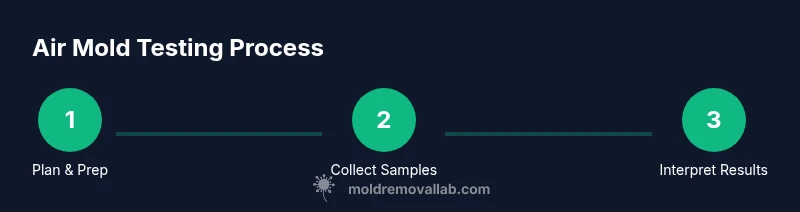
You can check mold in air by testing indoor air for mold spores using professional sampling or reputable DIY kits. Start with a plan: identify moisture-prone areas, choose a testing method, and interpret results alongside humidity levels and any visible mold. This guide covers safe sampling, contamination prevention, and when to hire a licensed pro for definitive results.
Why checking mold in air matters
Mold spores are microscopic, but they have a big impact on indoor air quality and health. Checking mold in air is a proactive step that helps you uncover hidden moisture problems before they become costly repairs. For homeowners and renters, the goal isn’t merely to find mold but to understand how moisture, ventilation, and everyday habits influence spore levels. The Mold Removal Lab team emphasizes that air checks work best when you couple sampling with moisture control and visible-mold inspections. Mold Removal Lab Analysis, 2026 indicates that air testing should be part of an integrated plan that includes fixing leaks, improving ventilation, and confirming that remediation reduced the problem. In practice, begin by documenting damp areas, then choose a testing approach that aligns with your budget and urgency. This approach empowers you to protect family health and safeguard your investment, while keeping expectations realistic about what the test can and cannot prove.
Understanding indoor air quality and mold spores
Indoor air quality (IAQ) is influenced by moisture, temperature, ventilation, and the presence of mold spores. Spores are everywhere, but concentrations rise in damp environments, basements, bathrooms, kitchens, and areas with poor ventilation. A high spore count in air samples can signal ongoing moisture issues, not necessarily a large visible mold problem. Remember, testing captures a snapshot in time, and results depend on when and where samples are collected. When you plan to check mold in air, think about recent water events, humidity spikes, and whether occupants notice musty odors or allergy symptoms. Guidance from Mold Removal Lab recommends pairing air sampling with moisture control actions to gain a fuller picture of exposure risk, rather than relying on a single number or test result.
DIY vs professional air testing methods
There are two broad paths to checking mold in air: do-it-yourself (DIY) sampling with consumer kits, or professional testing using calibrated equipment and accredited laboratories. DIY kits can detect the presence of mold spores but may not identify species or determine precise concentrations without lab analysis. Professional testing typically uses a pump, standardized sampling media, and controlled conditions to produce consistent, defensible results. The choice depends on budget, concern level, and whether you need results for a remediation plan or landlord-tenant discussions. Mold Removal Lab recommends starting with a clear goal, documenting home conditions, and then selecting a validated method. Always ensure samples reach an accredited lab for definitive interpretation.
DIY sampling for mold in air: when and how
If you choose DIY sampling, prepare by clearing the sampling path, turning off forced-air systems, and minimizing recent disturbances in the sampling area. Use a clean pump, appropriate cassettes or filters, and include a field blank to gauge background contamination. Collect multiple samples from different zones: high-moisture rooms, sleeping areas, and living spaces. Label each sample with date, time, location, and any notable observations. After collection, seal containers, store them per kit instructions, and ship them promptly to the lab or third-party analyzer.
Interpreting test results and limitations
Air sampling results should be interpreted in the context of humidity, ventilation, and ongoing moisture issues. A high reportable spore count does not automatically mean a dangerous situation; it may reflect transient conditions or testing during a moisture event. Look for consistent patterns across multiple samples and compare results to indoor baselines or outdoor controls. Remember that some species may be more problematic for health than others, and a qualified professional can translate numbers into actionable remediation steps.
Reducing airborne mold: practical steps
Reducing mold spores in the air starts with moisture management. First, fix leaks, repair roof or plumbing issues, and dry damp areas promptly. Improve ventilation by using exhaust fans in bathrooms and kitchens, and consider whole-home dehumidification if humidity stays high. Regular cleaning with detectors for moisture, HEPA filtration, and vacuuming with a high-efficiency filter can reduce surface allergens and suspended spores. Address hidden mold by inspecting walls, crawl spaces, and HVAC ducts where moisture tends to accumulate. These measures complement testing and help create a healthier indoor environment.
Safety, privacy, and when to seek help
Mold testing can involve handling dusty materials and mold-contaminated surfaces. Wear PPE such as N95 or P100 respirators, gloves, and eye protection when collecting samples or cleaning areas with visible mold. Never disturb extensive mold growth that affects structural elements or requires professional remediation. If you rent, communicate findings with your landlord and document moisture problems. When in doubt, especially with persistent moisture or health symptoms, consult a licensed mold remediation contractor or a certified IAQ specialist. Safety and privacy should always come first.
What to expect from professional testing and remediation planning
Professional testing typically yields a formal report that includes sampling methods, lab results, interpretation, and recommended remediation steps. A pro will help determine whether remediation is necessary, propose containment measures, and outline a timeline. After testing, focus on addressing moisture sources, improving airflow, and maintaining a clean, dry environment to prevent recurrence. If results indicate significant mold exposure or contamination, plan for comprehensive remediation and follow-up testing to confirm successful remediation.
Tools & Materials
- Air sampling pump(Calibrated to a standard flow rate per kit instructions)
- Air sampling media (filters/cassettes)(Select appropriate type for your method (e.g., spore trap or culture media))
- Sealable sample containers(Child-resistant or tamper-evident if sending to a lab)
- Field blank/controls(Used to gauge background contamination)
- Labels and marker(Date, time, location, and notes)
- Disposable gloves(To prevent contamination during handling)
- N95 or P100 respirator(Protects against inhalation of spores during sampling)
- Notepad and pen(Record observations, locations, and conditions)
- Humidity/temperature meter(Helpful but optional for context)
- Camera or smartphone(Document visible mold and sampling areas)
Steps
Estimated time: 45-90 minutes for sampling; 1-2 weeks for lab results after receipt
- 1
Plan and gather supplies
Define your testing goal, choose DIY or professional, and assemble the required tools before you start.
Tip: Create a simple floor plan noting high-moisture zones and potential sampling points. - 2
Prepare sampling areas
Clear the space, close doors, and turn off forced-air systems to avoid cross-contamination.
Tip: Avoid disturbing dust or mold during setup to get cleaner results. - 3
Calibrate and ready equipment
Check pump flow rate, ensure media is correctly loaded, and label containers.
Tip: Document calibration times and settings for accurate interpretation. - 4
Collect air samples
Run the pump for the recommended duration in each zone, using multiple samples for comparison.
Tip: Include a negative control to detect background contamination. - 5
Seal, label, and store samples
Seal each sample, mark with location, date, and time, then store per kit instructions.
Tip: Keep samples away from direct sunlight and heat during transport. - 6
Transport to analysis
Send samples to an accredited laboratory or certified analyzer following shipping guidelines.
Tip: Use trackable shipping and confirm receipt with the lab. - 7
Review results with context
Interpret findings alongside humidity, leaks, and occupant symptoms; plan remediation as needed.
Tip: If results are inconclusive or high, consult a professional IAQ specialist.
FAQ
Are DIY air mold tests accurate?
DIY tests can indicate whether mold spores are present, but accuracy varies with technique and equipment. For definitive results, use professional services or lab analysis.
DIY tests can show if mold spores exist, but accuracy varies. For a definitive result, use professional testing.
What is considered a safe indoor mold spore level?
There is no universal safe level for indoor spores; health effects depend on individual sensitivity and mold species. If you have symptoms or ongoing moisture, consult a professional.
There isn't a universal safe spore level. If you have symptoms, talk to a professional.
How long does testing take from start to results?
DIY sampling can yield quick indications, but lab analysis typically takes about one to two weeks after samples arrive at the lab.
DIY tests are quick, but lab results usually take one to two weeks.
Will cleaning before sampling affect the results?
Yes. Cleaning can reduce surface contamination, potentially lowering counts. It may skew results, so follow testing guidelines or test before remediation when advised.
Cleaning can lower counts and skew results, so follow testing guidance.
When should I call a professional?
If moisture persists, there is visible or suspected hidden mold, or you’re dealing with structural moisture, a licensed professional is recommended.
Call a pro if moisture persists or hidden mold is suspected.
Watch Video
The Essentials
- Plan your air mold check with clear goals and an action path.
- DIY tests can identify presence but may need lab confirmation.
- Moisture control is critical to meaningful results.
- Interpret results within the broader IAQ context, not in isolation.
- Engage a pro for persistent moisture or complex contamination.