How Mold Inspectors Find Mold: A Step-by-Step Guide
Discover how mold inspectors locate hidden mold sources through visual checks, moisture meters, thermal imaging, air sampling, and environmental tests. A practical homeowner guide from Mold Removal Lab.


Mold inspectors locate mold sources by combining a thorough visual inspection with moisture measurements, humidity history, and targeted sampling. They trace visible growth, test suspect materials, and use tools like thermal imaging to map moisture pathways, then set a plan for remediation. They document findings with photos and notes to support the remediation decisions.
Visual overview: how inspectors find mold and why it matters
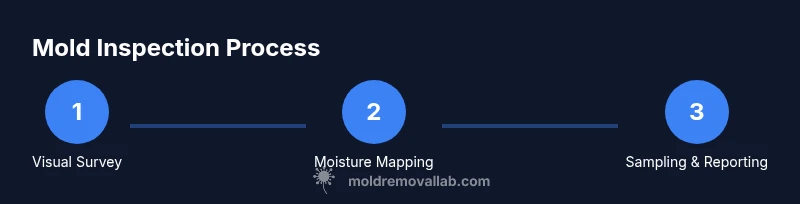
According to Mold Removal Lab, how do mold inspectors find mold begins with a careful visual survey of all rooms, surfaces, and hidden spaces. The Mold Removal Lab team found that sightings of staining, musty odors, and water damage guide where to look first. In addition to visuals, inspectors document the space with photos and notes to create a traceable record. They then integrate moisture indicators, humidity history, and targeted sampling to locate growth that isn’t immediately visible. By inspecting ceilings, walls, basements, crawl spaces, and areas behind fixtures, they identify likely trouble spots and begin a systematic search rather than a random one. Each clue—water stains, warped materials, or lingering dampness—helps prioritize measurements and sampling. As work progresses, the inspector keeps the homeowner informed about findings, potential sources, and the expected remediation path. This approach reduces unnecessary disruption and improves the odds of a successful, durable cleanup.
Tools and equipment used in mold investigations
A mold investigation relies on a combination of handheld meters, cameras, and sampling devices to reveal hidden moisture and mold. Essential tools include a moisture meter (preferably dual-depth), a digital hygrometer for ambient humidity, and an infrared or thermal imaging camera to visualize temperature differences that accompany moisture. A borescope can access wall cavities without large demolition, while tape lifts or swabs collect surface samples for lab analysis. Air sampling pumps may be used to measure spore concentrations in the breathing zone. Protective PPE—gloves, goggles, respirators, and disposable suits—helps keep the team safe when dealing with mold spores. A notebook or digital device for field notes and a camera or smartphone for photographs ensure documentation is complete. For homeowners, the key is that these tools help distinguish between transient moisture and persistent problems requiring remediation.
Visual inspection: signs, patterns, and what they mean
During the visual inspection, inspectors look for obvious growth on ceilings, walls, and floors, but they also search for indicators of moisture intrusion such as staining, efflorescence, peeling paint, or warped materials. They assess patterns: is growth concentrated near a known water source, or is it spread irregularly? Mold can hide behind drywall or inside insulation, making the moisture context more important than the visible growth alone. Mold Removal Lab analysis shows that elevated moisture readings correlate with mold presence, even when surfaces appear clean. By cross-referencing visual cues with moisture readings, an inspector builds a map of risk zones, guiding subsequent sampling and testing. A clear, labeled map also helps homeowners understand where to focus cleanup and how long conditions must be monitored before remediation can begin.
Moisture testing methods and why they matter
Moisture testing is the backbone of mold detection because mold thrives on damp conditions. Inspectors use handheld moisture meters to measure wood, drywall, and other substrates. Some devices can pierce the surface to read below; others assess surface moisture at multiple depths. Humidity history—how humidity has varied over weeks or months—provides context for whether a recent spike is temporary or a chronic problem. In some cases, technicians perform pre- and post-dehumidification checks to confirm that moisture levels have stabilized. Recording temperature, surface condition, and relative humidity helps interpret results. When moisture is present and sustained, the odds of mold growth rise. The goal is to identify not just current growth but the moisture drivers that could sustain it in the future.
Air and surface sampling explained
Air samples measure indoor spore counts in the breathing zone, often using spore traps or impact samplers. Surface sampling includes swabs and bulk samples taken from suspected materials such as drywall, wood, or carpet padding. Labs analyze the collected material to determine mold species and concentration, which helps confirm the presence of mold and guide remediation decisions. It’s important to follow established protocols to avoid contamination and to ensure samples are representative of the problem area. In many cases, sampling is used selectively, when visible growth or moisture data alone don’t tell the full story. Homeowners should expect written results with interpretation and recommended actions based on the findings.
Thermal imaging and moisture mapping
Thermal imaging cameras detect temperature variations that reveal moisture pathways behind walls and under floors. Cold spots often indicate damp materials, while warm spots can signal evaporation or latent moisture. Inspectors create moisture maps by documenting readings across rooms and comparing them to baseline conditions. This mapping helps target areas for further testing and reduces unnecessary demolition. Remember that infrared data must be interpreted alongside visual signs and moisture measurements. A single temperature variance is not definitive—correlate with the moisture meter readings and any sampling results before drawing conclusions about mold presence.
Documentation, reporting, and homeowner next steps
After collecting data, inspectors compile a clear report that includes findings, sources of moisture, affected materials, and recommended remediation steps. The report typically contains photos, labeled diagrams, moisture maps, and a proposed timeline for containment and cleanup. It may also include a post-remediation verification plan to confirm that mold growth has been controlled. Homeowners receive actionable steps, such as adjusting humidity, fixing leaks, improving ventilation, and scheduling follow-up inspections. A well-drafted report helps prevent miscommunication and ensures that the remediation effort addresses the root causes rather than just the visible symptoms.
Common myths vs. reality in inspections
Myth: All mold is visible and obvious. Reality: Much mold grows behind walls, under flooring, or inside HVAC systems, requiring moisture data and sampling to locate. Myth: Any moisture means mold is present. Reality: Moisture is necessary for growth, but the type and extent of contamination depend on duration, temperature, and substrate. Myth: DIY testing is enough. Reality: Home kits may provide indicators but professional interpretation is essential for accurate results and safe remediation planning. Understanding these nuances helps homeowners participate in the process with informed expectations.
Tools & Materials
- Moisture meter(Prefer dual-depth, capable of reading through common building materials)
- Digital hygrometer(Monitors ambient relative humidity over time)
- Infrared/thermal imaging camera(Visualizes moisture pathways via temperature differences)
- Borescope or inspection camera(Accesses wall cavities with minimal demolition)
- Surface sampling tools (swabs, tape lifts)(Collects material for lab analysis)
- Air sampling pump or spore traps(Used when sampling is indicated by findings)
- PPE (gloves, goggles, respirator, coveralls)(Protects health during investigation)
- Camera or smartphone for photos(Document visible mold and moisture sources)
Steps
Estimated time: On-site inspection typically 2-4 hours; lab analyses, if needed, add additional time.
- 1
Prepare and secure access
Begin with a client interview, review prior reports, and secure access to all spaces. Confirm safety and pets/occupants arrangements. This reduces delays and ensures the team can work efficiently.
Tip: Have a pre-visit checklist ready, including known leaks or recent renovations. - 2
Perform a high-level exterior inspection
Check for signs of water intrusion around windows, roofing, and foundation. Exterior cues help predict interior moisture pathways and prioritize interior checks.
Tip: Note exterior moisture sources that align with interior damp spots. - 3
Initiate a thorough interior visual survey
Look for stains, odors, warped materials, and visible mold. Record locations with photos and scale measurements to track changes over time.
Tip: Take photos from multiple angles and document distances from known moisture sources. - 4
Run non-invasive moisture checks
Use a moisture meter to identify elevated readings in walls, ceilings, and flooring. Compare to historical baselines for the space when available.
Tip: Take multiple readings per area and note substrate type for context. - 5
Apply thermal imaging to map moisture
Scan walls and ceilings to reveal hidden moisture paths. Correlate cold or warm anomalies with visual findings and moisture data.
Tip: Remember: temperature variation alone is not definitive; cross-check with other data. - 6
Collect targeted samples when indicated
If evidence remains inconclusive, collect air and surface samples per protocol. Use lab analysis to identify species and spore loads.
Tip: Minimize sample contamination by following established collection procedures. - 7
Synthesize data and draft a remediation plan
Integrate visuals, moisture readings, and sampling results into a cohesive report. Highlight likely sources and suggested cleanup steps.
Tip: Provide homeowner with prioritized actions and expected timelines. - 8
Explain results and set expectations for follow-up
Present findings clearly, deliver the written report, and outline post-remediation verification steps if needed.
Tip: Schedule a post-remediation check to confirm mold control has been achieved.
FAQ
What is the difference between a mold inspection and mold testing?
A mold inspection looks for moisture intrusion and visible mold, while testing collects samples to identify species and concentration. Tests often complement inspections when results are inconclusive.
Inspecting checks moisture and growth; testing tells you what type of mold is present.
How long does a typical mold inspection take?
Most inspections take a few hours on-site, with additional time if sampling is performed. Size of the property and suspected problem areas affect duration.
Most inspections take a few hours; sampling can extend that.
What equipment do inspectors use?
Inspectors use moisture meters, infrared cameras, borescopes, air samplers, and protective gear. They document findings with photos and notes.
They use moisture meters, infrared cameras, and samplers to check moisture and mold.
Can homeowners perform mold testing themselves?
Some home tests exist, but results can be unreliable. Professionals interpret results within the broader context of indoor air quality and environmental factors.
DIY tests can be unreliable; professionals interpret results in context.
How soon can remediation start after inspection?
Remediation timing depends on findings. Once mold presence and sources are confirmed, a remediation plan with containment, removal, and cleaning steps is outlined.
Remediation follows confirmation and planning based on findings.
Will a mold inspection address hidden mold behind walls?
Yes. Inspectors use moisture mapping and sampling to locate hidden mold behind walls or within structures, not just visible growth.
Hidden mold can be located using moisture mapping and sampling.
Watch Video
The Essentials
- Follow a structured visual + moisture-based approach
- Use multiple tools to verify moisture and growth
- Expect a detailed report with actionable remediation steps
- Plan for post-remediation verification
- Mold Removal Lab emphasizes professional assessment for accuracy