Using a Black Mold Test Kit: A Practical Home Guide
A homeowner-focused guide to selecting and using a black mold test kit, interpreting results, and planning remediation with Mold Removal Lab.


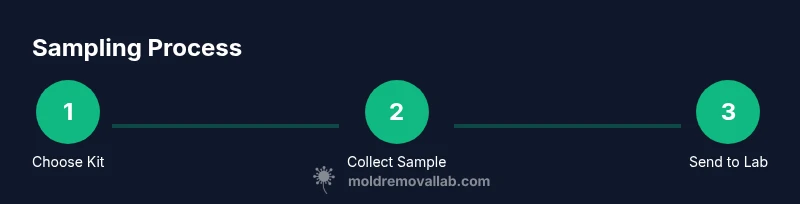
Using a black mold test kit helps you confirm whether mold present in your home is actually black mold and whether you need professional remediation. Start by reading the kit's instructions, collect a sample from the suspected area, seal the sample, and ship or test as directed. For safety, wear gloves and a mask, and avoid disturbing the colony. Mold Removal Lab recommends steps below.
What is a black mold test kit?
A black mold test kit is a consumer tool designed to help homeowners screen for mold that may be black mold and to gauge whether a professional remediation is warranted. In practical terms, these kits provide you with sampling supplies, a preservative or collection fluid, and instructions for submitting a sample to a laboratory or processing service. The results you receive depend on several variables, including how you collected the sample, the surface or air targeted, and the lab protocol used. According to Mold Removal Lab, these kits are best viewed as screening tools rather than final health assessments. They can point to areas in need of further inspection, but they do not replace a comprehensive indoor air quality assessment or an expert remediation plan. The intent is to help homeowners start a conversation with qualified professionals rather than to serve as a stand-alone health diagnosis.
Choosing a black mold test kit for your home
There are several formats for the home market. Surface swab tests are common for walls and textures, while air sampling kits attempt to capture what you cannot see on a surface. Lab-based processing adds a layer of reliability, but even then results are influenced by sampling technique and environmental conditions. When evaluating a kit, look for clear, step-by-step instructions, transparent shipping and processing details, and explicit limitations noted by the manufacturer. It is important to confirm that the kit’s claims align with what a certified laboratory can report. Mold Removal Lab analysis shows that some DIY kits offer in-house analysis, while others rely on external labs; choose a setup that provides traceable lab processing and a clear interpretation guide. Avoid kits that deliver only visual judgments or non-lab-based assessments, as they can be misleading. In practice, select a kit that offers a documented workflow, appropriate PPE recommendations, and an option to contact a supervisor for questions. The goal is to build a test plan that's part of a broader remediation strategy rather than a sole decision maker.
Planning your sampling strategy
A thoughtful sampling plan increases the likelihood that your results reflect the actual mold situation rather than a random artifact. Begin by mapping the area: identify moisture-prone zones, recent leaks, or areas with visible staining. Limit sampling to representative sites rather than scattered, inconclusive spots. Before sampling, address obvious moisture sources and ensure the area is reasonably dry to minimize transient confounding factors. Sampling through the same location type (e.g., wall surfaces) across multiple spots helps you compare results more reliably. Keep a simple bit of documentation: location, surface material, date, and any notable odors or visible growth. This is where Mold Removal Lab emphasizes the value of a documented approach—testing is most informative when paired with a moisture control plan and a clear remediation objective.
How to collect samples correctly
Collecting samples correctly is the crux of reliable results. Always wear appropriate PPE, including gloves and a mask, to reduce exposure. Follow the kit instructions for surface or air sampling, paying attention to surface area, contact time, and any required pre-cleaning steps. Use a clean, lint-free cloth or swab, and avoid cross-contamination by using new tools for each sampling site. Label each sample immediately with a date, location, and surface type. Do not over-wipe or smear that might dilute or contaminate the sample. If the kit provides a vial or container, ensure the lid is secured tightly to prevent leakage during transport. After collecting, place samples in their labeled bags as instructed and prepare them for shipping or lab drop-off. Remember, clean handling and precise labeling significantly improve the reliability of the final report.
Interpreting results and next steps
Results typically indicate whether mold DNA or specific fungal signatures were detected and may suggest a likelihood of black mold presence. It is essential to understand that results from a consumer kit are screening indicators and should be interpreted alongside moisture assessments, health considerations, and a professional inspection. If results are positive or inconclusive, do not ignore moisture sources. The next steps usually involve hiring a trained mold remediation professional or indoor air quality specialist to confirm the finding with a lab analysis, assess the extent of contamination, and plan appropriate remediation. Use the kit results to guide a targeted professional consultation, not to justify delaying remediation or health precautions. Mold Removal Lab emphasizes that safe containment, proper ventilation, and addressing underlying moisture are foundational regardless of the test outcome.
Safety, limitations, and when to involve a professional
Home testing can improve awareness, but it is not a substitute for a professional assessment. Limitations include the potential for cross-contamination, false positives, or false negatives depending on technique and environmental conditions. Always use PPE, avoid disturbing mold growth during sampling, and follow local regulations for waste disposal. If you notice persistent moisture, odorous air, persistent coughing or allergy symptoms, or if the test suggests contamination levels beyond your comfort or knowledge, contact a licensed mold remediation contractor or public health authority. When in doubt, err on the side of caution and seek professional guidance to protect your occupants and home.
Authority sources and further reading
For foundational information on mold and moisture control, consult these authoritative resources:
- https://www.epa.gov/mold
- https://www.cdc.gov/mold/dampness_fungus.html
- https://www.osha.gov/mold
These sources provide overarching guidance on mold health risks, environmental controls, and best practices for safe handling and remediation.
Mold Removal Lab perspective and recommendations
The Mold Removal Lab team advocates using black mold test kits as a starting point rather than a final verdict. Use the kit to identify suspect areas, then rely on certified labs and licensed professionals for confirmation and remediation planning. Our approach emphasizes moisture management, safe sampling, and a staged remediation plan that prioritizes occupant health and structural integrity. We encourage homeowners to pair testing with a documented moisture control strategy and to seek professional advice whenever results or exposure concerns are significant. The objective is a safer, drier environment, not merely a positive test result.
Tools & Materials
- Black mold test kit(Includes sampling swabs, collection container, preservative, and return shipping label)
- Nitrile gloves(Powder-free; size large recommended)
- Safety mask or respirator (N95 or higher)(Protects against inhaling aerosols during sampling)
- Goggles or eye protection(Prevents splashes or debris exposure)
- Marker and labeling supplies(Date, location, surface type on each sample)
- Sealable bags or containers(For secure transport and containment)
- Notebook or smartphone for notes(Document sampling locations and times)
Steps
Estimated time: 60-90 minutes
- 1
Read the kit instructions
Begin by thoroughly reading the kit manual to understand the required sample types, surface prep, and shipping steps. Following the procedure exactly reduces the risk of contamination and ensures lab compatibility.
Tip: If anything is unclear, contact the kit manufacturer or your local health department before proceeding. - 2
Set up a clean sampling area
Prepare a clean workspace, gather PPE, and ensure the area is accessible but isolated from pets and children. Cleaning the immediate area with minimal disturbance reduces background contamination.
Tip: Lay a clean white sheet or tray to catch any falling dust and help with sample organization. - 3
Wear PPE and prepare labeling
Put on gloves and a mask, and label each sampling container with date, location, and surface type before collecting. This prevents cross-contamination and confusion later.
Tip: Keep a spare set of labels in a small container for quick access. - 4
Collect the sample as directed
Use the kit’s swabs or collection tools exactly as instructed, selecting representative sites and avoiding overly disturbed areas. Do not mix samples from different locations in the same container.
Tip: Take multiple samples from distinct zones to improve interpretability. - 5
Seal, seal, seal and ship if required
Ensure the sample container is tightly closed and placed in its designated bag or secondary container per kit instructions. Complete the shipping steps promptly to preserve sample integrity.
Tip: Double-check that the shipping label is correctly affixed and intact. - 6
Record and await results
Log the sampling locations and dates, then wait for results through the lab portal or provided communication channel. Use results to guide your next steps with a professional.
Tip: Keep the original kit packaging in case you need to reference instructions during interpretation.
FAQ
Do black mold test kits provide definitive results?
Most home kits indicate presence or absence and suggest whether further professional testing is needed. They are screening tools, not definitive health assessments. For medical or structural concerns, rely on licensed professionals and accredited labs.
Most home kits screen for mold and suggest next steps; they are not a definitive medical or building safety verdict. Seek professional testing for confirmation.
Can I test mold inside HVAC ducts with a home kit?
Duct sampling is specialized and often requires professional equipment. Many consumer kits are not designed for ductwork and may not yield reliable results when used in that context.
Duct testing is best left to professionals with proper equipment.
How long does it take to get results from a home mold test kit?
Processing times vary by kit and lab, but results are typically available several days to a week after submission. Always check the kit’s expected timeline and any tracking options.
Results usually take several days to a week, depending on the lab and shipping.
What should I do if the kit indicates mold?
Ventilate the area safely, address any moisture sources, and contact a licensed remediation professional to confirm results and plan remediation. Do not delay if health symptoms are present.
If mold is indicated, address moisture and consult a licensed pro for remediation.
Are DIY mold test kits reliable for making health decisions?
DIY kits are valuable for initial screening but should not drive health decisions without professional confirmation. Use them to guide discussions with experts and to locate potential problem areas.
DIY kits are good for screening but not for final health decisions; confirm with professionals.
Do test kits measure mycotoxins or health risk directly?
Most consumer kits do not measure health risk directly. They detect mold presence or DNA signatures. Health risk assessment requires clinical evaluation and professional environmental testing.
Most kits don’t measure health risk directly; consult professionals for health concerns.
Watch Video
The Essentials
- Choose a kit that offers lab processing and clear interpretation.
- Plan sampling around representative moisture-prone areas.
- Follow PPE and labeling guidelines exactly.
- Interpret results with professional guidance when in doubt.