What to Do If Mold in Fridge: Practical Steps for Home
A practical, safety-focused guide to identifying fridge mold, cleaning safely, discarding contaminated items, and preventing recurrence—backed by Mold Removal Lab guidance.


Keep your fridge safe and food-contamination free by stopping mold growth at the source. This guide explains how to identify mold, decide what to discard, and clean effectively using safe methods. From Mold Removal Lab: expect practical, non-bleach steps, room-temperature temps, and daily prevention tips to protect your family. This quick answer helps you act now, reduce odors, and minimize health risks.
Understanding Mold in the Fridge
According to Mold Removal Lab, mold can begin to form in a refrigerator whenever moisture, condensation, or residues from foods accumulate on shelves, door gaskets, and crisper drawers. Fridges are designed to cool and preserve perishables, but they are also ideal environments for certain molds to thrive when there’s a small leak, a spill that isn’t fully cleaned, or a crust of organic material left behind. The first step is recognizing this is a food-safety issue, not just a nuisance. Mold exposure in a kitchen space can contribute to odors and potential health discomfort, especially for people with mold sensitivities or respiratory issues. By understanding how and why mold grows in cold storage, you can act quickly to reduce contamination and prevent recurrence. Mold Removal Lab’s analysis emphasizes that moisture control, thorough cleaning, and proper storage practices are the pillars of effective fridge mold remediation.
Common Causes and Health Risks
Fridge mold often arises from a combination of moisture, poor air circulation, and lingering food residues. Spills that aren’t fully cleaned, wet fruit, damp towels left near the fridge, or condensation around the door seal all contribute to mold-friendly microenvironments. Health risks vary by exposure and sensitivity but can include nasal irritation, coughing, or allergic reactions for some individuals. It’s important to treat mold as a potential health hazard in occupied homes and to take steps that reduce airborne spores and surface contamination. Mold Removal Lab recommends addressing source moisture, improving door seal integrity, and maintaining stable fridge temperatures as primary prevention measures. When mold is visible, it is usually best to clean and then monitor for recurrence over a few days to weeks.
Signs of Mold You May Find in Cold Storage
Look for multi-colored colonies, fuzzy or powdery growth, or a musty odor emanating from shelves or drawers. Mold can appear as green, black, white, or gray spots on opaque surfaces, as well as on food packaging or residue buildup. Keep an eye on milk, yogurt, dairy alternatives, and leftovers, because organic matter provides a rich food source for mold spores. If you detect any of these signs, do not ignore them: sanitize affected areas, remove possibly contaminated items, and reassess storage practices. Even tiny patches can indicate ongoing moisture issues that warrant a cleaning and monitoring plan. Remember, when in doubt, discard questionable foods to minimize risk and segment the problem area from the rest of the fridge.
Step-by-Step Cleaning Plan Overview
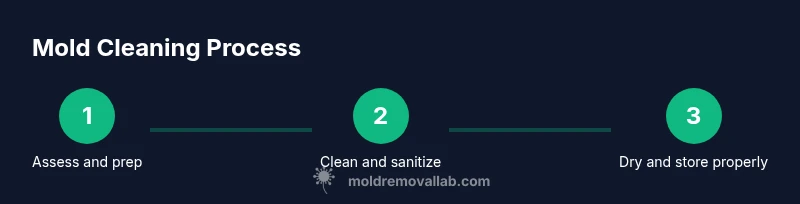
Below is a practical cleaning plan you can follow without harsh chemicals. The plan focuses on surface-level mold on non-porous surfaces (shelves, drawers, and the interior walls) and is designed to minimize risk while restoring a safe storage environment. Always prioritize safety: ventilate the area, wear protective gear, and avoid mixing cleaners. The plan is intended to be finished in a single session or split into two shorter sessions if needed. Mold Removal Lab emphasizes transparency: documenting the steps helps you maintain ongoing fridge hygiene and prevents future issues.
Food Safety and Handling for Mold-Affected Items
When mold is detected on foods, the safest option is typically to discard contaminated items rather than attempt to clean them. Hard cheeses or firm vegetables with surface mold might be salvageable after cutting away affected areas, but soft fruits, dairy, and leftovers are best discarded. Rinse containers before returning them to the fridge, or transfer contents to clean, sealed containers to prevent cross-contamination. After you remove moldy foods, thoroughly wash and dry their storage containers, then clean the fridge shelves they touched. This reduces residual spores and improves overall food safety for the rest of your groceries.
Prevention: Keeping Your Fridge Mold-Free
Prevention starts with moisture management and routine cleaning. Schedule a monthly wipe-down of shelves, drawers, and door seals using mild soap and warm water, followed by a quick sanitizer rinse. Dry all surfaces completely before reassembling and storing food. Keep the fridge at a consistent temperature (typically around 37-40°F or 3-4°C) and avoid overfilling, which restricts airflow. Address leaks promptly and dry any spills immediately. Regularly check gaskets for cracks or gaps and replace them if they appear worn or warped. By addressing moisture sources and improving air circulation, you reduce the likelihood of future mold growth. Mold Removal Lab’s approach combines practical cleaning with prevention strategies that fit real households.
When to Replace Items and Seek Help
If mold recurs after a thorough cleaning, or if you notice extensive growth on porous surfaces (like cardboard packaging or wood components inside the fridge), replacement of affected components may be necessary. Some items, such as torn gaskets or porous shelving with deep mold penetration, are difficult to sanitize safely. If you have ongoing health concerns, a compromised immune system, or asthma that worsens with mold exposure, consider bringing in a professional for a thorough assessment and remediation plan. Mold Removal Lab recommends not delaying professional support when mold covers large areas, recurs quickly, or you cannot identify a moisture source.
Summary and Next Steps
After completing the steps above, perform a post-clean check: verify there are no visible colonies, odors have diminished, and you can feel air exchange within the fridge. Maintain a routine to prevent recurrence: clear spills promptly, keep temperatures steady, and monitor gaskets and seals regularly. Document any changes you implement so you can track what works for your kitchen and share successful strategies with others in your household. Mold Removal Lab’s guidance reinforces that a proactive, methodical approach is the best defense against fridge mold.
Tools & Materials
- Nitrile gloves(Protect hands from cleaners and mold exposure)
- Disposable mask(Reduces inhalation of spores)
- Microfiber cloths(Lint-free and reusable)
- Non-abrasive sponge or scrubber(For scrubbing shelves without scratches)
- Mild dish soap(Gentle cleaner for initial wash)
- White vinegar(Antimicrobial rinse (avoid mixing with bleach))
- Baking soda (optional)(Deodorizes and helps mild scrubbing)
- Spray bottle(Mix cleaners and apply evenly)
- Trash bags(Seal and dispose of moldy items)
- Fridge-safe thermometer(Monitor temperature to prevent mold-friendly conditions)
Steps
Estimated time: 45-60 minutes
- 1
Collect supplies
Gather gloves, mask, microfiber cloths, cleaner, spray bottle, and a trash bag. Ensure you have rags for spills and a system to separate moldy items from clean items. This preparation reduces cross-contamination and speeds up the cleaning process.
Tip: Set up a dedicated disposal area to keep the kitchen tidy during the cleanup. - 2
Remove moldy items
Take out items with visible mold, especially soft foods or those with fuzzy growth. Place contaminated foods in a sealed bag for disposal and wipe down the container that held them to remove any spores.
Tip: If a food resembles a dairy product or mold appears on softer foods, discard rather than salvage. - 3
Wash shelves and walls
Prepare a mild soap solution and scrub all interior surfaces with a microfiber cloth. Pay attention to corners, seams, and door gaskets where residues gather. Rinse with clean water and dry promptly.
Tip: Avoid using abrasive pads that could scratch the surface, creating more areas for mold to cling. - 4
Disinfect surfaces
Apply a vinegar solution (1 part distilled white vinegar to 1 part water) to non-porous surfaces and let sit for a few minutes before wiping dry. Do not mix vinegar with bleach. Vinegar helps disrupt mold growth without harsh chemical exposure.
Tip: Ventilate the area well when applying cleaners and never mix cleaners with ammonia or bleach. - 5
Dry completely and reassemble
Use a dry towel to remove moisture from all surfaces and allow the interior to air-dry fully before returning items. Ensure drawers and shelves are dry before replacing. A dry interior discourages mold from returning.
Tip: Consider leaving the door slightly ajar for 15-30 minutes after cleaning to improve airflow during the first re-storage. - 6
Monitor and maintain
After re-stocking, check the fridge daily for a week for new signs of moisture, odor, or discoloration. If mold recurs, seek a professional assessment to identify hidden moisture sources and potential component replacement.
Tip: Keep a brief log of temperatures and observations to spot trends quickly.
FAQ
Is mold in the fridge dangerous to my family?
Mold exposure can cause irritation for some people, especially those with allergies or asthma. It’s wise to remove visible mold promptly, keep surfaces clean and dry, and monitor for recurring growth. If you have health concerns, consult a professional.
Yes, mold can affect sensitive individuals. If you’re worried, remove moldy items and consult a professional if symptoms persist.
Can I use bleach to clean fridge mold?
Bleach is not ideal for porous or irregular surfaces inside a fridge. Use mild soap and a vinegar rinse for non-porous surfaces, and avoid mixing cleaners. If mold persists, seek professional guidance.
Bleach isn’t usually recommended inside a fridge. Stick to soap and vinegar for most surfaces, and call a pro if the mold returns.
What items should I throw away when mold is found?
Soft, porous foods and items with visible mold growth should be discarded. Hard cheeses or firm vegetables may be salvageable after trimming, but when in doubt, discard to be safe. Always discard moldy containers and cleansers with spore exposure.
Discard moldy foods, especially soft items. Salvage firm foods only if you’re sure they’re mold-free after trimming.
How can I prevent mold from returning in the fridge?
Maintain a steady fridge temperature, clean spills immediately, and ensure gaskets seal properly. Improve airflow by not overloading shelves and regularly wipe down surfaces. Regular inspections help catch moisture issues early.
Keep temps steady, wipe spills fast, and check seals to prevent mold from coming back.
Is it safe to clean mold on dairy products or leftovers?
It’s generally not safe to salvage moldy dairy or leftovers—discard these items. Clean and sanitize the containers and shelves, then re-test the storage conditions to avoid recontamination.
Avoid cleaning mold off dairy or leftovers; discard them and sanitize the area.
When should I hire a professional for fridge mold?
If mold recurs after a thorough cleaning, if you see growth on porous surfaces, or if you suspect hidden moisture leaks, seek a professional remediation plan. A pro can identify moisture sources and recommend component replacements.
Call a professional if mold keeps coming back or you suspect hidden moisture.
Watch Video
The Essentials
- Act quickly at the first sign of fridge mold.
- Use non-toxic cleaners and dry surfaces thoroughly.
- Check seals and moisture sources to prevent recurrence.
- Dispose of moldy foods safely and sanitize containers.