Should You Clean Mold with Bleach: A Practical Guide
Explore whether bleach is the right choice for mold cleanup. Learn when it works, when to skip it, safer alternatives, and a step-by-step plan to keep your home healthy.


You can address mold with bleach in some cases, but it's not a universal solution. This guide explains when bleach helps, when it doesn't, and safer alternatives for porous surfaces. By following professional guidance from Mold Removal Lab, you can decide whether to use a bleach-based approach or another method. We cover safety steps, surface types, and practical cleanup workflows.
Should you clean mold with bleach: what the science says
Should you clean mold with bleach is a question many homeowners ask when they first spot mold growth. Bleach is a familiar household chemical, but its effectiveness depends on the surface and the extent of contamination. According to Mold Removal Lab, bleach can be a useful first step for visible mold on nonporous surfaces like tile, glass, and enamel, but it is not a universal cure. The Mold Removal Lab team found that while chlorine bleach can kill surface spores, it often cannot penetrate porous materials such as drywall, wood, or fabric. In those cases, lingering mold roots can continue to grow behind the scenes, and cleaning may require alternative methods or professional assessment. This article, grounded in Mold Removal Lab Analysis, 2026, will help homeowners decide when to reach for a bleach-based approach and when to choose safer, more effective options. We will also discuss safety, ventilation, and best practices to minimize exposure for you and your family.
Bleach on nonporous surfaces: when it can help
For nonporous surfaces with light, surface-level mold, a properly used bleach solution can remove visible staining and kill surface spores. It’s important to follow label directions, wear appropriate PPE, and ensure good ventilation. Bleach should never be mixed with ammonia or other cleaners, and excessive soaking can damage finishes. On surfaces like ceramic tile, glass, and sealed enamel, a quick wipe followed by thorough drying may prevent re-growth if the area is small and well-contained.
Porous materials: why bleach often fails
Bleach does not reliably penetrate porous materials. When mold has infiltrated drywall, wood, or fabric, bleach may only remove the surface film while the roots remain embedded. This can give a false sense of cleanliness and lead to recurring growth, odor, and even structural damage over time. The risk is higher in humid areas such as bathrooms, basements, and crawl spaces. For porous materials, professionals commonly remove affected sections and treat underlying moisture sources instead of relying on bleach alone.
Safer, practical alternatives: what to use instead of bleach
Safer alternatives often deliver better long-term results. For nonporous surfaces, a detergent-and-water scrub or a commercially labeled mold cleaner designed for nonporous materials can be effective with less risk of fumes. For porous materials, consider removing contaminated materials, drying thoroughly, and addressing moisture sources. Vinegar and hydrogen peroxide can be helpful in some scenarios, but they are not universal cures and should be used with respect to material compatibility and safety precautions. This section emphasizes choosing the right tool for the job and avoiding unnecessary chemical exposure.
A home-cleanup plan that respects safety and health
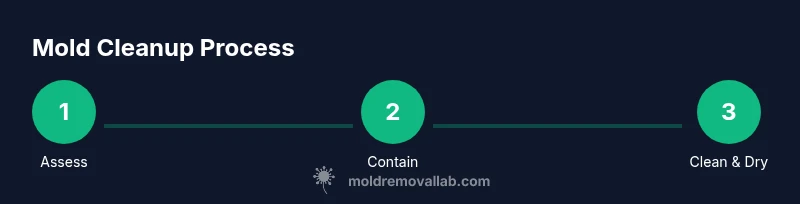
In most homes, a comprehensive plan that includes containment, surface cleaning, drying, and monitoring yields better results than bleach alone. Begin with containment to prevent spores from spreading, select an appropriate cleaning method based on surface type, scrub and rinse as needed, and ensure complete drying. Reassess after 24–48 hours to confirm there is no renewed growth. Real-world mold scenarios vary widely, so adapting the plan to your space, moisture levels, and materials is essential.
Safety, storage, and disposal: keeping your home mold-free
Always wear PPE (gloves, eye protection, and a respirator when needed) and ensure good ventilation during cleanup. Store any cleaning products away from children and pets, and never mix cleaners. Contaminated materials should be bagged and disposed of according to local guidelines. After cleanup, monitor humidity levels and fix moisture sources to prevent future mold issues.
Tools & Materials
- Personal protective equipment (PPE)(Gloves, eye protection, and a respirator or N95 mask as needed)
- Non-porous scrub brush or sponge(Stiff brush for tile, glass, and enamel)
- Household bleach (sodium hypochlorite) or a label-specified cleaner(Follow label directions precisely; never mix with ammonia)
- Spray bottle and bucket(Use clean containers; label contents to avoid mixing hazards)
- Detergent or mild cleaner(For non-bleach cleanup on nonporous surfaces)
- Ventilation aids (box fan, open windows)(Improve airflow; avoid direct air blowing mold spores toward living areas)
- Plastic sheeting and tape(Containment to prevent spread during cleanup)
- Trash bags (heavy-duty)(Seal and dispose of contaminated materials safely)
- Moisture meter or hygrometer (optional)(Helpful for verifying drying progress)
Steps
Estimated time: 60-120 minutes
- 1
Assess safety and scope
Inspect the area and determine whether the mold growth is manageable with consumer cleaning methods. If you have severe allergies, asthma, or a large area, consider professional help. Ensure you wear PPE and have adequate ventilation before starting.
Tip: If you sense strong odors or irritation, pause and reassess; health is priority. - 2
Contain the work area
Seal off the room with plastic sheeting to prevent spores from spreading. Close doors and vents to keep the work confined. Protect non-mold areas (furnishings, textiles) with additional coverings.
Tip: Work from the least contaminated to the most contaminated area to minimize spread. - 3
Choose cleaning method and prep
If you opt for bleach on nonporous surfaces, prepare a cleaning solution following the product label. Never mix bleach with ammonia or other cleaners. For porous materials or significant growth, plan to remove contaminated material and focus on moisture control.
Tip: Ventilate well and keep bleach away from children and pets. - 4
Apply cleaner and scrub
Apply the chosen cleaner to the moldy area, allow it to sit for the recommended contact time, then scrub with a stiff brush. Rinse with clean water and dry the surface thoroughly. Avoid saturating porous materials.
Tip: Use a front-and-back motion to lift spores rather than just wiping them away. - 5
Handle porous materials
If porous materials are moldy, consider removal and disposal rather than brute cleaning. Bag contaminated debris securely and seal before disposal according to local guidelines. Do not attempt to dry moldy porous materials in place.
Tip: If structural components (drywall, insulation) are involved, consult a pro. - 6
Dry, monitor, and prevent
Completely dry the area using fans or dehumidifiers. Recheck after 24–48 hours for signs of regrowth and address any moisture source (leaks, humidity). Establish a maintenance plan to keep humidity low.
Tip: Keep relative humidity below 60%, ideally around 50% in most homes.
FAQ
Should you clean mold with bleach?
Bleach can kill surface mold on nonporous surfaces but may not reach mold colonies within porous materials. For many homes, safer alternatives and moisture control provide better long-term results.
Bleach can kill surface mold on hard surfaces, but it often can't reach mold inside porous materials. Safer methods and moisture control are typically more effective in the long run.
Is bleach safe to use around kids and pets?
Bleach fumes can irritate eyes and lungs; use in well-ventilated areas and keep children and pets away during cleanup. Always wear PPE and store products securely.
Bleach fumes can irritate the eyes and lungs, so ensure good ventilation and keep kids away during cleanup.
Can bleach ruin surfaces or materials?
Yes. Bleach can discolor or degrade some materials and finishes. Test on a hidden area, follow product directions, and avoid over-saturation, especially on wood or painted surfaces.
Bleach can damage certain surfaces, so test first and avoid soaking porous materials.
What are safer alternatives to bleach for mold cleanup?
Detergent and water, vinegar, and hydrogen peroxide are commonly used alternatives. Choose products compatible with the surface and follow safety guidelines. For porous materials, consider removal and moisture control instead.
Safer cleaners include detergent, vinegar, or hydrogen peroxide, chosen by surface type and proper safety.
When should I call a professional?
If the mold covers a large area, recurs after cleaning, or involves structural materials, professional remediation is recommended. A qualified pro can assess moisture sources and provide a full remediation plan.
Call a professional if mold is extensive, persistent, or involves structure or HVAC components.
How can I prevent mold after cleaning?
Address humidity, fix leaks, ensure drying surfaces completely, and maintain good airflow. Regular inspections help catch issues early and prevent regrowth.
Fix leaks, keep humidity low, and monitor areas prone to dampness to prevent regrowth.
Watch Video
The Essentials
- Bleach can remove surface mold on nonporous surfaces but may not eradicate mold inside porous materials.
- Use containment, proper PPE, and ventilation to protect health during cleanup.
- Assess whether to repair or replace porous materials rather than relying on bleach alone.
- Address moisture sources to prevent future mold growth.
- For large or persistent mold, lighting conditions, or health concerns, professional remediation is advised.