Should Mold Be Professionally Removed? A Practical Troubleshooting Guide
Discover when mold should be professionally removed, what to expect from remediation, and practical steps to protect your home. A concise guide from Mold Removal Lab for homeowners and renters seeking urgent, effective solutions.


Should mold be professionally removed? If mold growth is extensive, hidden behind walls, or tied to ongoing moisture, professional remediation is recommended. For small surface mold on non-porous surfaces, a careful DIY cleaning with proper PPE can suffice, but fix the moisture source first and avoid disturbing spores. When unsure, hire a pro.
Why professional removal matters
Mold growth isn’t just a surface issue; it can affect indoor air quality and health, especially for children, the elderly, and people with respiratory conditions. According to Mold Removal Lab, professional removal is often necessary when mold has spread beyond a single patch or has penetrated porous building materials. A licensed remediation contractor will perform a thorough assessment, establish containment to prevent spores from becoming airborne, and use industry-approved tools and EPA-registered products. The goal isn’t merely to remove visible growth but to address the moisture source, verify containment, and ensure the area is dry before occupants return. Homeowners should recognize that attempting to “drive out” mold with household cleaners can push spores deeper into structures or spread contamination to unaffected rooms. If you observe persistent moisture, musty odors, or allergy-like symptoms that worsen in a specific area, it’s wise to arrange a professional evaluation. Mold Removal Lab’s experience shows that timely professional action can reduce exposure and prevent recurring problems.
DIY vs professional remediation: key differences
DIY cleanup can handle small, surface mold on non-porous materials like glass, metal, or sealed countertops when there’s no ongoing moisture problem. It typically involves containment, cleaning with EPA-registered products, and careful disposal of contaminated materials. However, professional remediation goes beyond surface cleaning: it includes a formal assessment, strategic containment with physical barriers, negative air pressure, HEPA vacuuming, specialized cleaning agents, controlled removal of contaminated materials, and post-remediation verification. Pros also restore ventilation and perform moisture source repairs to prevent return. The important distinction is scope and risk; DIY efforts might temporarily reduce visible mold but can miss hidden colonies or forgotten moisture. Mold Removal Lab emphasizes that professionals use standardized methods such as containment zones, air filtration, and clearance testing to confirm success. Homeowners should weigh their ability to maintain safety, manage dust and spores, and address unseen contamination before deciding.
Signs you should hire a professional immediately
Visible mold growth after a moisture event, especially on porous materials like drywall or insulation, is a strong signal to call a pro. If the area keeps returning after cleaning, or if there’s a persistent musty odor, moisture behind walls, or water damage indicating potential hidden colonies, professional remediation is warranted. Health symptoms such as frequent sneezing, coughing, or headaches that improve when away from the affected area are also a concern. Additionally, large areas of growth, growth in HVAC ducts, or contamination around electrical or plumbing systems should prompt professional evaluation. While some small patches may be tackled DIY, the moment you face surrounding structural materials or uncertain containment, turn to a contractor.
The professional remediation process: what to expect
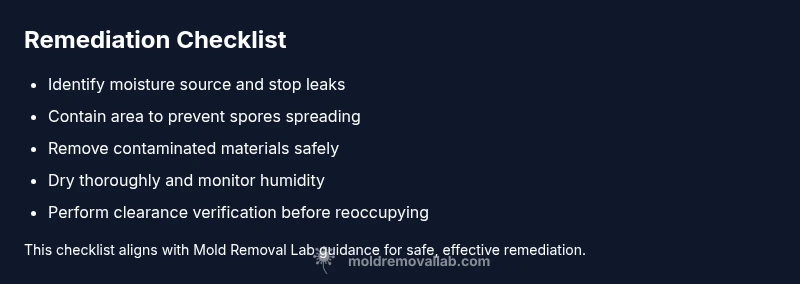
A typical remediation starts with a detailed assessment to identify moisture sources and the extent of contamination. Then containment is established to prevent cross-contamination, with negative air pressure and HEPA filtration. Contaminated materials are carefully removed and disposed of, while non-porous surfaces are cleaned and disinfected using appropriate agents. After cleaning, the space is dried with dehumidifiers and fans, and HVAC systems are cleaned or protected to prevent re-circulation of spores. A final clearance is often performed to verify that the area meets air-quality standards before occupants return. Throughout, professionals document the work, provide a written scope, and offer recommendations for moisture-control improvements.
Safety, regulations, and common pitfalls
Safety is non-negotiable in mold work. Always ensure workers wear proper PPE, seal the work zone, and never disturb mold if you lack containment. Avoid mixing household cleaners with ammonia or bleach—this can release toxic gases. Do not attempt to remove mold embedded in porous materials like drywall or insulation yourself; improper removal can release spores and cause spread. If you have a history of plumbing leaks, roof leaks, or high indoor humidity, address those issues first, or the mold will return. Be wary of low-cost, vague estimates; insist on a written scope, a timeline, and a post-remediation plan. Mismanaged remediation can lead to recurring problems and higher costs later.
How to choose a contractor you can trust
Select a licensed, insured contractor with a clear written proposal. Request references and verify past project outcomes. Look for a detailed plan that covers containment, material removal, cleaning methods, waste handling, moisture control, and a post-remediation verification step. Avoid contractors who promise a quick fix with cheap materials or pressure you to replace more than necessary. Ask about their method for moisture mitigation and whether they perform clearance testing or third-party verification. A reputable team will provide a transparent, itemized estimate and a realistic timeline.
After remediation: prevention and maintenance
Prevention hinges on moisture control. Fix leaks promptly, improve drainage, repair roof issues, and maintain indoor humidity at safe levels (generally below 50%), using dehumidifiers or ventilation as needed. Regular visual inspections of areas prone to moisture—basements, bathrooms, kitchens, and crawl spaces—help catch problems early. Use exhaust fans, keep HVAC systems well-maintained, and clear clogged gutters to prevent water intrusion. Consider a yearly mold-risk assessment if you’ve had prior mold issues, and address any new stains or odors immediately to reduce the likelihood of recurrence.
Steps
Estimated time: 2-6 hours
- 1
Identify moisture source
Locate and stop leaks or ongoing moisture. Dry the area completely using dehumidifiers and fans. Maintain airflow to prevent stagnation in the space.
Tip: Document evidence of moisture (photos, notes) to share with contractors. - 2
Assess scope of mold
Visually inspect accessible areas. Note any porous materials affected. If growth is extensive or behind walls, plan for professional remediation.
Tip: Do not disturb suspected hidden mold; it can release spores. - 3
Contain the area
Seal doors and vents to prevent cross-contamination. Use plastic sheeting, tape, and negative air pressure if available.
Tip: Keep non-affected rooms unoccupied during containment. - 4
Engage professionals
Get written bids from licensed remediators. Ensure they include containment, removal methods, waste disposal, and post-remediation verification.
Tip: Ask for a clear timeline and written scope of work. - 5
Proceed with remediation
Remediation should remove mold, clean non-porous surfaces, and dispose of contaminated materials safely. Dry the space thoroughly afterward.
Tip: Verify that the area is fully dry before reopening. - 6
Post-remediation verification
Request clearance testing or third-party verification to confirm air quality and mold absence before reoccupying.
Tip: Keep a moisture-control plan in place to prevent recurrence.
Diagnosis: Visible mold growth following a moisture event (leak, flood, or ongoing humidity).
Possible Causes
- highMoisture intrusion from leaks or water damage
- mediumCondensation and high humidity in poorly ventilated spaces
- lowHidden mold behind walls, ceilings, or inside HVAC
Fixes
- easyStop the moisture source (repair leaks, fix drainage, dry the area thoroughly)
- easyContain the affected area to prevent spore spread (seal doors, temporarily close vents)
- hardEngage a qualified remediation contractor for assessment, containment, and removal of mold if hidden growth is suspected
FAQ
Is DIY mold removal safe for homeowners?
DIY removal can be safe for small, non-porous patches with proper PPE and containment, but it’s not suitable for hidden growth or large areas. Always address moisture first and know your limits.
DIY mold removal can be safe for small patches if you use PPE and containment, but avoid hidden growth and moisture issues. When in doubt, hire a pro.
When should I hire a professional masonremediator?
Have a professional inspect if mold covers porous materials, recurs after cleaning, or if there’s visible growth behind walls or HVAC components. A pro will assess, contain, and verify thoroughly.
Hire a professional when mold is behind walls, recurs after cleaning, or covers porous materials; they will assess and verify containment and removal.
What credentials should a remediation contractor have?
Look for licensing or proper certification where required, evidence of insurance, a written scope of work, references, and a clear post-remediation plan. Ask for a detailed estimate before work begins.
Check licenses where required, insurance, and a written plan with references before hiring.
Will remediation cure every mold problem?
Remediation can remove current mold and address moisture, but ongoing humidity or leaks will cause recurrence unless fixes are maintained. Expect a moisture-management plan after remediation.
Remediation removes what’s there, but you must fix moisture to prevent return.
How long does remediation take?
Duration depends on the extent of growth, accessibility, and moisture issues. A typical project can take from a few hours to a few days with proper containment and drying.
It varies, but most projects span from hours to a few days depending on scope.
Is third-party clearance testing required?
Clearance testing by an independent party is often recommended to verify air quality meets standards before reoccupying the space.
Yes, clearance testing is commonly advised to confirm safety.
Watch Video
The Essentials
- Call a pro for hidden or large mold growth.
- Contain and dry the area before remediation.
- Choose a licensed contractor with clear scope and post-remediation verification.
- Address moisture to prevent recurrence.
- Use clearance testing to confirm safety before reoccupying.