Replace Moldy Shower Caulk: A Practical How-To
A practical, expert guide from Mold Removal Lab on replacing moldy shower caulk, covering material selection, prep, removal, application, curing, and ongoing maintenance for a healthier bathroom.


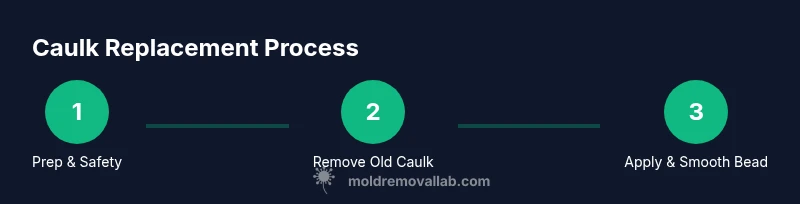
You will learn how to replace moldy shower caulk to stop mold growth, improve sealing, and protect walls. The process covers selecting the right bathroom-grade caulk, safely removing old caulk, thoroughly drying the joint, applying a smooth new bead, and curing before use. Gather PPE, good ventilation, and the tools listed here.
Understanding the problem and goal
Replacing moldy shower caulk is not just about aesthetics. It’s about restoring a watertight seal that keeps moisture out of wall cavities and behind tiles. When mold takes hold in the caulk line, it can spread quickly in humid bathrooms, leading to musty odors and potential damage. If you’re asking how to replace moldy shower caulk, your goal is to stop moisture from seeping behind the joints, prevent recurring mold, and restore the shower’s seamless barrier. According to Mold Removal Lab, the best long-term results come from selecting the right bathroom-grade caulk and performing meticulous prep. Their analysis emphasizes that mold growth behind caulk is driven by ongoing moisture, soap scum buildup, and porous or deteriorated sealant; addressing all three is essential. In this guide, you’ll learn a practical, step-by-step approach that homeowners can execute with common tools. Expect clearer grout lines, easier cleaning, and fewer mold headaches. The process also reduces water damage risk to nearby drywall and painted surfaces, which saves time and money in repairs later. Before you begin, gather your PPE, ventilate the space, and prepare a dedicated cleanup zone. A well-executed caulk replacement not only improves appearance but also protects family health by reducing mold exposure in the shower enclosure.
Choosing the right caulk and cleaners
The choice of caulk is critical for a durable, mold-resistant seal. For showers, 100% silicone bathroom caulk with mold-inhibiting additives is generally the strongest option, followed by silicone-acrylic blends if you need paintability. Look for labels that specify water resistance, mildew resistance, and a manufacturer’s cure time. Cleaners matter too: use a mild bathroom cleaner to remove soap scum, then wipe with isopropyl alcohol to remove residue that can interfere with adhesion. Based on Mold Removal Lab research, the best long-term results come from pairing high-quality silicone caulk with a thorough surface prep. Avoid acrylic latex caulks in fully exposed wet areas, since they often degrade faster in humid bathrooms. If you’re unsure which product to buy, select a product labeled for bathtub and shower use and avoid stock caulks intended for general interior use. When in doubt, check the expiration date and the product’s claimed mold resistance to ensure continued performance.
Safety and prep: PPE, ventilation, and workspace setup
Safety should come first when you replace moldy shower caulk. Put on nitrile gloves, protective eyewear, and a mask if you’re sensitive to cleaners or mold spores. Ventilate the bathroom well by opening a window or running a fan for at least 10-15 minutes before you start and throughout the process. Cover nearby surfaces with drop cloths or old towels to catch debris, and remove any shampoo bottles or toiletries that could trap moisture. Make sure the area is dry and free of standing water before you begin—moisture left in the joint will compromise adhesion and slow curing. Keep a small trash bag handy for disposable wipes and packaging. A well-ventilated, organized workspace makes the removal and reapplication smoother and reduces the chance of recontamination.
Surface prep and removal: clear old caulk and clean edges
Begin by cutting the old caulk along the edges with a utility knife or a dedicated caulk removal tool, taking care not to scratch tile or enamel. Use your scraper to lift the degraded caulk in sections, then peel away any remaining strips. After removal, scrub the joint to remove soap scum and mold spores, using a stiff brush and a mild solution. Rinse thoroughly and wipe dry with a clean cloth. Allow the joint to dry completely—this can take several hours in a dry bathroom, or up to 24 hours in high humidity. Proper removal and drying are essential for a strong bond with the new sealant and to prevent trapped moisture from causing a mold relapse.
Applying new caulk: technique and tool control
Load your caulk gun with the silicone sealant and cut the nozzle at a 45-degree angle to create a consistent bead width that matches the joint size. Apply steady, continuous pressure to lay a smooth, evenly spaced bead along the joint. Avoid gaps or excessive thickness, which can trap air and moisture. Use painter’s tape on both sides of the joint to guide a clean line, then smooth the bead with a damp finger or a caulk-smoothing tool for a neat finish. Remove the tape before the caulk skins over to prevent pulling away sealant. Follow the product’s cure time and keep the area dry during this period; humidity can affect curing quality.
Curing, testing, and maintenance: final checks
Let the caulk cure fully according to the manufacturer’s instructions before exposing it to water. This may take 24 hours or longer depending on humidity and temperature. After curing, run water along the seam to test for leaks, watching for any gaps or run-off. If you notice issues, clean and re-tape the area and reapply a thin bead. Regular maintenance, such as wiping down the shower after use and rechecking caulk every 6-12 months, helps prevent future mold growth. If you see persistent mold behind caulk, you may need to inspect adjacent wall cavities for damage and consider a more extensive remediation plan.
Troubleshooting and common mistakes to avoid
Common mistakes include rushing the application, not drying the joint completely, choosing the wrong caulk for a wet area, and skipping tape guides. Always dry the joint completely and apply a consistent bead. Avoid using oil-based cleaners near silicone caulk, which can degrade adhesion. If you notice dark staining again after replacement, it may indicate moisture intrusion behind the tile or wall surface, which could require a broader investigation or professional support.
Tools & Materials
- Caulk removal tool(Plastic or metal tool with sharp edge for lifting old caulk)
- Utility knife(Sharp blade; ensures clean edge removals)
- Replacement silicone caulk (bathroom-grade)(100% silicone, mold-resistant, mildew-resistant)
- Caulk gun(For controlled bead application)
- Painter’s tape(Guides for clean lines on edges)
- Isopropyl alcohol (rubbing alcohol)(Degreases and preps surface)
- Stiff-bristled brush(For removing residue in joints)
- Rags or paper towels(Wipe excess moisture and caulk)
- Gloves (nitrile)(Protect hands from cleaners and mold)
- Safety goggles(Eye protection during cutting and scraping)
- Mask or respirator(For sensitive individuals or dusty areas)
- Mild bathroom cleaner(Pre-clean to remove soap scum)
- Drop cloths or old towels(Protect floors and fixtures)
Steps
Estimated time: 60-90 minutes
- 1
Prepare the space
Ventilate the bathroom and remove items from the shower area. Lay drop cloths, put on PPE, and ensure the space is dry enough to work. This reduces contamination and keeps other surfaces clean during caulk removal.
Tip: Run a bathroom fan 10–15 minutes before starting to pre-dry the area. - 2
Remove old caulk
Cut along the caulk line with a utility knife and pry up sections with the removal tool. Peel away all old caulk to expose clean joints. Dispose of removed material in a sealed bag.
Tip: Work slowly to avoid scratching tile or grout. - 3
Clean and degrease the joint
Scrub the joint with a stiff brush and bathroom cleaner, then wipe with isopropyl alcohol. Rinse and dry completely. Any residue or moisture will hinder adhesion.
Tip: Do a final wipe with a dry cloth to ensure no moisture remains. - 4
Mask and prepare edges
Apply painter’s tape along the edges to guide a straight bead. Ensure the tape sits firmly to prevent smears. This creates a crisp, professional line.
Tip: Press the tape firmly and remove after the bead is set but before skinning. - 5
Apply new caulk
Load the gun with silicone caulk and cut the nozzle at a 45-degree angle. Apply a steady, continuous bead along the joint. Avoid gaps or blown beads.
Tip: Rotate your wrist slightly as you tool to maintain a uniform bead. - 6
Smooth and finish
Smooth the bead with a damp finger or caulk-smoothing tool. Remove the painter’s tape carefully while the caulk is still fresh. Clean up excess without disrupting the bead.
Tip: Keep a damp sponge nearby to wipe excess caulk immediately. - 7
Cure and test
Let the caulk cure per product instructions before exposure to water. After curing, run water along the seam to check for leaks and re-tape if needed.
Tip: If moisture persists, consider inspecting for hidden moisture behind tiles. - 8
Maintenance plan
Schedule periodic checks and wipe-downs after showers to minimize mold-friendly conditions. Revisit caulk every 6–12 months or sooner if you notice cracking or discoloration.
Tip: Tip for long-term health: keep humidity levels low in the bathroom.
FAQ
What type of caulk should I use to replace moldy shower caulk?
For showers, use 100% silicone bathroom caulk with mold-resistant additives. It holds up better in moisture and cleans more easily than acrylic or latex alternatives.
For showers, pick a 100% silicone bathroom caulk with mold resistance. It lasts longer in wet conditions and cleans up easier.
Can I reuse existing caulk if it looks clean?
If the old caulk shows cracks, softness, or mold, do not reuse it. You must remove it entirely and apply new caulk to ensure a watertight seal.
If the old caulk is cracked or moldy, replace it instead of reusing it.
How long does silicone caulk take to cure in a shower?
Most silicone caulks cure within 24 hours, but curing times vary with humidity and temperature. Avoid getting the area wet until full cure is reached.
Silicone caulk typically cures in about 24 hours, but wait longer in damp bathrooms.
Should I recaulk all shower surfaces or just the moldy areas?
If you have multiple joints showing wear or mold, recaulk all affected areas for a uniform seal. Spot-replacing can leave gaps where mold hides.
If several joints show wear, recaulk them all for a consistent seal.
Is mold behind caulk dangerous to health?
Mold behind caulk can contribute to allergies and respiratory irritation. Replacing moldy caulk helps minimize exposure and improves bathroom hygiene.
Hidden mold can affect health; replacing moldy caulk reduces exposure.
Do I need to hire a professional for caulk replacement?
For typical showers, DIY caulk replacement is doable with careful prep and curing. If there is visible water damage behind walls or persistent mold, consider professional remediation.
DIY is usually fine, but if there’s hidden damage, call a professional.
Watch Video
The Essentials
- Replace moldy shower caulk with proper prep and silicone sealant
- Allow full cure time before using the shower to prevent leaks
- Regular maintenance reduces future mold growth
- The Mold Removal Lab team recommends thorough prep and quality materials for durable results