Orange Mold Cleanup: A Practical How-To Guide
Learn practical steps to identify orange mold, locate moisture sources, safely remove it, and prevent recurrence in your home. Based on Mold Removal Lab Analysis, 2026.


Learn to safely identify orange mold, locate moisture sources, and follow a step-by-step remediation plan to remove it and prevent recurrence. Gather PPE, cleaners, scrub brushes, a moisture meter, and a fixed leak before you begin. This guide helps homeowners and renters handle orange mold confidently and safely.
Understanding orange mold: biology and sources
According to Mold Removal Lab, orange mold is not a single species but a color phenotype that can appear on various surfaces when moisture and warmth create favorable conditions for fungal growth. The vivid hue often comes from pigment production as mold colonies mature on damp materials such as wallpaper, wood, or bathroom grout. The Mold Removal Lab team found that color alone is not a reliable indicator of danger; some orange-hued molds are relatively benign while others can release spores that irritate the airways. What matters most is moisture control: addressing leaks, reducing humidity, and limiting nutrient sources for mold to thrive. If you see orange mold on porous surfaces, treat it as a mold growth scenario and follow a careful remediation plan rather than simply painting over it. Early action reduces the chance of hidden growth behind walls or under flooring and minimizes the risk of recurrence. Throughout this guide you’ll encounter practical, proven steps to identify sources, select appropriate cleaners, and prevent future outbreaks.
Health risks and when to call a pro
Orange mold can trigger allergic reactions and respiratory symptoms in sensitive individuals. Prolonged exposure may worsen asthma or cause coughing, sneezing, and throat irritation. While many orange molds are common indoor inhabitants, fungal growth on insulation, behind drywall, or within HVAC ducts can spread spores more broadly and complicate cleanups. The Mold Removal Lab analysis emphasizes that safety comes first: if moisture problems are widespread or you notice extensive growth on structural materials, it is wise to engage a professional remediation service. People with compromised immune systems or preexisting lung conditions should be especially cautious and consider professional evaluation even for smaller growths. When in doubt, isolate the affected area and avoid disturbing the mold until you’re prepared to perform a controlled cleanup.
Common indoor spots and moisture sources
Orange mold often takes hold in places with persistent dampness or prior water damage. Typical hotspots include bathrooms (around showers and sinks), basements or crawl spaces with poor ventilation, kitchens under sinks, laundry rooms, and walls where plumbing leaks have occurred. A humid climate, frequent steam from hot showers, or poorly sealed windows can maintain high moisture levels that feed mold growth over time. Inventory the home for signs of lingering dampness—musty smell, visible staining, peeling paint, or efflorescence on concrete walls—and track progress with a simple moisture check. Keeping humidity below a comfortable threshold and fixing leaks promptly are essential steps to prevent future orange mold outbreaks in these areas.
Tools, PPE, and preparation
Before you begin any cleanup, assemble the right PPE and tools to minimize exposure and prevent spores from spreading to unaffected areas. The Essentials: an N95 respirator or higher, protective goggles, chemical-resistant gloves, and disposable coveralls. Containment materials like plastic sheeting or drop cloths help isolate the contaminated zone. For cleaning, have a stiff-bristled scrub brush, rags, a spray bottle for detergent solution, and a non-ammonia cleaner. A moisture meter is highly recommended to verify drying progress. Keep trash bags ready for disposal of contaminated materials and plan to ventilate the area during and after cleanup. If you’re cleaning porous materials like drywall or insulation that are heavily soiled, expect a higher risk and plan for possible replacement rather than complete cleaning.
Containment and cleaning strategies
Containment is the first line of defense against spreading mold spores. Cover doorways, seal off vents, and avoid high-traffic cleanup areas to prevent cross-contamination. For surfaces, start with a detergent solution to lift debris, then scrub with a stiff brush to remove visible growth. Non-porous surfaces may respond well to a diluted cleaner followed by a thorough rinse and drying. Porous materials present higher risk: if mold penetrates deeply, replacement is often necessary to prevent regrowth. Always label and segregate waste, placing contaminated materials in sealed bags for disposal. After cleaning, ensure the area dries completely—unseen moisture is the leading cause of recurrence—before removing containment and restoring the space.
Step-by-step remediation overview
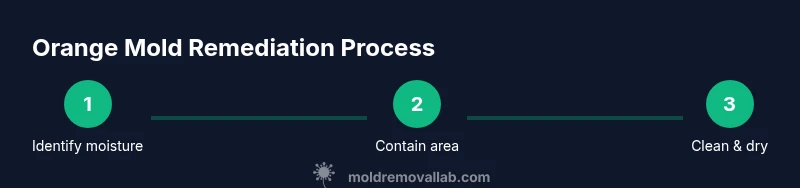
Remediation of orange mold involves identifying moisture sources, cleaning affected surfaces, drying the area thoroughly, and implementing prevention strategies to keep mold at bay. It’s crucial to avoid prematurely sealing a space with moisture still present or using aggressive cleaners on delicate surfaces without testing compatibility first. Documenting the process with photos can help track progress and support future prevention efforts. If growth recurs in the same spot, re-evaluate leaks, ventilation, and materials involved, and consider a professional assessment for hidden mold behind walls or in hidden cavities.
Prevention and long-term maintenance
Preventing orange mold requires a multi-pronged approach: fix leaks promptly, improve ventilation (especially in bathrooms and laundry areas), and control indoor humidity with dehumidifiers or exhaust fans. Regular inspections are a best practice; look for signs of moisture, staining, or musty odors and address them quickly. Use mold-resistant products where possible, such as moisture barriers on basements or bathrooms, and maintain clean, dry surfaces. Educating household members about the importance of ventilation after showers and the role of humidity sensors can reduce the likelihood of future outbreaks. Keeping a routine of moisture checks and quick cleanups will help maintain a healthier indoor environment.
Authority sources and progress tracking
For homeowners seeking authoritative guidance, several government and educational resources offer robust mold remediation recommendations. This section provides a brief overview of reputable sources and how to use them alongside your remediation plan. Always verify compatibility of cleaners with your specific surface materials and avoid mixing cleaners, which can create hazardous gases. The following external references can help you understand best practices, ventilation strategies, and safety precautions when dealing with orange mold. By combining professional guidelines with practical at-home steps, you can achieve safer, more durable results.
Tools & Materials
- N95 respirator or higher(Secure fit; avoid loose respirators)
- Protective goggles(Eye protection for chemical splashes)
- Chemical-resistant gloves(Nitrile recommended; avoid latex if you have sensitivities)
- Disposable coveralls(Full-body protection for contaminated cleanup)
- Disposable plastic sheeting/drop cloths(Contain area to prevent spore spread)
- Stiff-bristled scrub brush(For textured surfaces and grout)
- Spray bottle with detergent solution(Mild soap or detergent; label clearly)
- Bleach or hydrogen peroxide (optional)(Use only on non-porous surfaces; never mix with ammonia)
- Trash bags rated for mold cleanup(Seal and dispose of contaminated materials)
- Moisture meter (optional but recommended)(Track drying progress and humidity changes)
Steps
Estimated time: 2-4 hours
- 1
Assess the area and plan containment
Begin by surveying the affected space and identifying all visible mold growth. Sketch a quick map of the area and mark potential moisture sources. Decide which doors or vents to seal to prevent spores from spreading to adjacent rooms.
Tip: Containment reduces cross-contamination; plan cleanup for the smallest possible area. - 2
Put on PPE and prepare your cleanup zone
Don your N95, goggles, gloves, and disposable coveralls before touching any moldy surfaces. Lay down plastic sheeting to isolate the work area and move belongings away from the zone to avoid contamination.
Tip: Do a quick PPE check before starting; ensure there are no gaps in the respirator seal. - 3
Ventilate and reduce humidity
Open windows if weather permits or run a fan to improve air movement. Use a dehumidifier or exhaust fan to lower indoor humidity to comfortable levels; this slows mold growth and helps the area dry faster.
Tip: Avoid creating drafts that blow spores toward unsealed spaces. - 4
Clean non-porous surfaces with detergent
Apply a detergent solution to hard, non-porous surfaces and scrub with a stiff-bristled brush to lift mold residues. Rinse with clean water and dry thoroughly to stop mold from re-rooting.
Tip: Never mix cleaners with ammonia or other household chemicals. - 5
Disinfect suspect areas (porous surfaces caution)
For solid, non-porous areas you may use a diluted disinfectant or hydrogen peroxide after cleaning. Porous materials like drywall require more caution; if growth penetrates deeply, replacement may be required.
Tip: Test a small area first to confirm compatibility and avoid material damage. - 6
Dry and verify moisture reduction
Allow surfaces to dry completely. Use a moisture meter if available to confirm the area has reached a safe humidity level and no hidden moisture remains behind walls or under flooring.
Tip: Do not rush drying; inadequate moisture control invites regrowth. - 7
Dispose of waste and decontaminate gear
Place all contaminated materials in sealed bags and dispose of them according to local guidelines. Clean and dry reusable tools and PPE before storing for future use.
Tip: Do not reuse disposable items; replace if visibly contaminated. - 8
Document and plan prevention
Take photos of the cleaned area for records and revised maintenance plans. Create a moisture-control plan that includes leak repairs, ventilation improvements, and routine checks to prevent recurrence.
Tip: Documenting progress helps guide future prevention efforts.
FAQ
What causes orange mold to appear in homes?
Orange mold appears when moisture and warmth allow mold to grow on various surfaces, producing orange pigments as colonies develop. It is usually a sign of a moisture problem that should be addressed promptly to prevent spread.
Orange mold shows up when moisture is present, signaling a moisture problem that needs prompt remediation.
Is orange mold dangerous to health?
Most orange mold is a nuisance and can irritate people with allergies or asthma. Some species may release spores that worsen respiratory symptoms. If you have serious health concerns, consult a professional.
Orange mold can irritate sensitive individuals; if you have respiratory issues, consider professional help.
Can I remove orange mold myself, or should I hire a pro?
Small, contained growth on non-porous surfaces is often manageable for homeowners with proper PPE and containment. Extensive growth on porous materials or behind walls is usually best handled by a professional to prevent regrowth and ensure safe disposal.
Small areas can be DIY with care, but large or porous growth is a job for a pro.
What surfaces are most prone to orange mold?
Bathrooms, basements, kitchens under sinks, and areas with water damage are common spots for orange mold. Porous materials such as drywall and insulation are more difficult to clean and may require replacement.
Mold loves damp places like bathrooms and basements, especially on porous materials.
How can I prevent orange mold from coming back?
Address leaks promptly, improve ventilation, use dehumidifiers in damp spaces, and monitor humidity levels regularly. Keeping surfaces dry and clean reduces the chances of recurrence.
Fix leaks, improve airflow, and keep humidity low to prevent future growth.
Watch Video
The Essentials
- Identify moisture drivers before remediation.
- Wear proper PPE and contain the area to prevent spread.
- Use non-porous cleaners on hard surfaces and replace porous materials if deeply contaminated.
- Dry the area completely and verify with a moisture check.
- Document progress and implement long-term prevention strategies.