Mold Spray Bleach: A Practical Guide to Mold Remediation
Learn how to safely use mold spray bleach for mold remediation in homes. This in-depth guide covers safety, preparation, application steps, drying, and prevention strategies to keep your space mold-free in 2026.


In this guide, you’ll learn how to safely use mold spray bleach to tackle mold growth around bathrooms, kitchens, and laundry areas. You'll discover when to use bleach, how to prepare surfaces, proper dilution practices (per label), essential PPE, and aftercare to prevent regrowth. Always prioritize ventilation and follow local safety guidelines.
Why mold spray bleach is a common choice for mold remediation
According to Mold Removal Lab, surface mold on non-porous surfaces can be addressed with approved bleach products when used correctly, with good ventilation and PPE. Mold spray bleach works by oxidizing contaminants on surfaces like ceramic, glass, and coated metal, helping to sanitize what you can see. The Mold Removal Lab Team notes that while this approach can be effective for surface mold, it does not reliably remove mold from porous materials where spores may have penetrated deeper. This distinction matters for choosing the right remediation method and for setting expectations about outcomes in spaces such as bathrooms and kitchens. In 2026, many homeowners still rely on bleach for quick surface disinfection, but it is only part of a comprehensive mold remediation plan.
Safety and PPE Essentials
Before you start, gather PPE and prepare the space to minimize exposure. Wear durable gloves, protective goggles, and a mask with good filtration. Ensure children and pets are kept out of the area, and keep doors open to improve airflow. Work in a well-ventilated area, preferably with a fan directed away from living spaces to distribute air safely. Never mix mold spray bleach with ammonia, acids, or other cleaners, as dangerous fumes can be produced. If you have respiratory concerns or existing allergies, consult a professional. Always read and follow the product label for dilution, contact time, and safety warnings.
Surface Prep and Dilution Basics
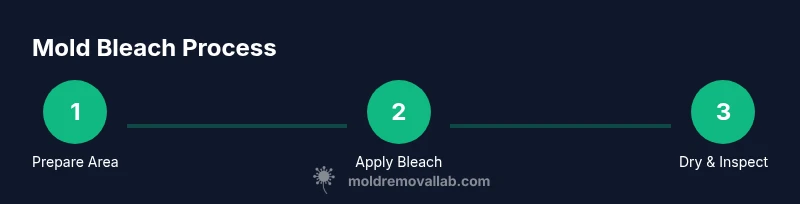
Start with a clean, dry surface. Lightly scrub loose mold with soap and water and allow it to dry. Then apply the bleach solution to the affected area, making sure to keep the surface visibly wet for the recommended contact time per label. Do not over-wet porous materials; bleach can seep in and cause damage or create harsh fumes. After treating, rinse with clean water and dry thoroughly. Remember to test a small, inconspicuous patch first to check for discoloration. Dilution and contact time vary by product, so always prioritize the label instructions. This step is critical to balance effectiveness with surface safety.
Where bleach works best and where it doesn't
Bleach is most effective on non-porous surfaces such as ceramic tiles, enamel sinks, metal faucets, and sealed countertops. It is less effective on porous materials like untreated wood, drywall, or fabric where mold may have penetrated beneath the surface. In those cases, bleach may remove surface staining but won’t eliminate embedded mold or the underlying moisture issue. For porous substrates, consider alternative methods or professional remediation, especially if the mold covers a large area or has penetrated deeply. In 2026, homeowners often combine surface bleach with moisture control to prevent regrowth.
What to expect during application
During application, you’ll notice a distinct chlorine-like odor and a temporary whitening of the surface as the agent works. The surface should remain damp for the product’s recommended dwell time, then be wiped clean and dried. After treatment, avoid re-wetting until the area is completely dry to prevent regrowth. If you notice lingering odor or persistent staining, additional treatment may be necessary, or you may need to pivot to a non-bleach remediation method. Always monitor adjoining areas for signs of moisture migration.
Aftercare: Drying, Scrubbing, and Disposal
Once the surface is dry, inspect for remaining mold and clean any residue with a fresh damp cloth. Thorough drying is essential; moisture supports mold regrowth. Dispose of used wipes and contaminated materials in a sealed bag. Clean and store tools properly, rinsing spray bottles and brushes with water. If growth recurs within 24–72 hours, re-evaluate moisture sources and consider professional help for persistent problems. Documentation of steps can help with insurance or landlord communications, if applicable.
Alternatives to bleach for stubborn mold
Bleach is not a universal remedy. For porous substrates or stubborn growth, alternatives like hydrogen peroxide, vinegar, or commercially formulated mold cleaners may be more effective. These options can offer safer alternatives for certain surfaces, especially fabrics or wood, but always test on a hidden area first. Mold Removal Lab suggests evaluating surface material, mold type, and moisture history before choosing an alternative approach, and to combine any treatment with moisture control to prevent recurrence.
Prevention: Keeping mold from returning
Prevention hinges on controlling moisture, improving ventilation, and regular inspection. Use exhaust fans in bathrooms and kitchens, repair leaks promptly, and maintain indoor humidity levels where practical. Clean and dry damp areas within 24–48 hours after any water exposure. Regularly inspect hidden spaces like basements, crawl spaces, and laundry rooms for signs of moisture intrusion. Implementing a routine mold-prevention plan reduces future remediation needs and keeps indoor air healthier.
Common mistakes to avoid
Avoid using excessive amounts of bleach on porous materials, which can lead to surface damage and poor penetration. Don’t mix bleach with ammonia or acidic cleaners, which can produce hazardous fumes. Do not rely on bleach as the sole solution for extensive mold growth or moisture problems; address the root cause—moisture, ventilation, and materials—before or alongside chemical treatment. Finally, never ignore lingering mold after treatment—follow up with proper remediation steps.
Tools & Materials
- Unlabeled or unscented household bleach(Choose regular strength; avoid scented or colored variants)
- Water(For dilution and rinsing)
- Spray bottle(For controlled application)
- Protective gloves(Nitrile or rubber, long cuff)
- Goggles or safety glasses(Protect eyes from splashes)
- Mask with good filtration(At least N95 or equivalent)
- Scrub brush or non-abrasive scrub pad(Gentle on surfaces)
- Cloths or paper towels(For wiping and drying)
- Ventilation aid (fan)(Optional—helps air circulation)
- Plastic sheeting or drop cloths(Protect surrounding areas)
- Trash bags(Seal contaminated materials)
- Test patch primer or small inconspicuous area(For spot testing)
Steps
Estimated time: 60-90 minutes
- 1
Inspect and prepare the area
Identify all affected surfaces and remove valuables from the area. Place drop cloths to protect floors and ensure good ventilation by opening windows and doors. This preparation reduces contamination spread and improves safety during treatment.
Tip: Work in a well-ventilated space and keep kids/pets away. - 2
Don PPE and set up containment
Put on gloves, goggles, and a proper mask. If mold spread is extensive, consider sealing the area with plastic sheeting to contain spores.
Tip: Do not skip PPE; bleach fumes can irritate eyes and lungs. - 3
Prepare the bleach solution
Dilute according to the product label and never mix with other cleaners. If you are unsure about dilution, start with a weaker solution and avoid saturating porous materials.
Tip: Always follow the label; dilution needs vary by product. - 4
Apply the solution to moldy areas
Spray the affected surface so it remains visibly wet for the recommended dwell time. Avoid saturating porous materials to minimize damage and odor formation.
Tip: Apply in small sections to maintain control. - 5
Scrub and wipe surfaces
Gently scrub with a brush to lift visible spores, then wipe away loosened material with a clean cloth. Avoid aggressive scrubbing that could damage surfaces.
Tip: Rinse and wring cloths frequently to remove spores. - 6
Rinse and dry the area
Rinse with clean water if appropriate for the surface, then dry completely. Moisture lingering in walls or floors can support regrowth.
Tip: Use a fan to speed drying, but avoid blowing spores into other rooms. - 7
Dispose of contaminated materials
Place used towels, disposable gloves, and other waste in sealed bags and remove from living spaces promptly.
Tip: Do not reuse disposable cleaning materials. - 8
Inspect and monitor for recurrence
Check treated areas after 24–72 hours and again after a few days. If mold returns, reassess moisture sources and consider professional help for larger infestations.
Tip: Document dates of treatment for future reference.
FAQ
Is it safe to use mold spray bleach on all surfaces?
No. Bleach is most effective on non-porous surfaces. Porous materials like drywall and untreated wood may require alternate methods or professional remediation. Always test a small area and follow product instructions.
Bleach is best for non-porous surfaces; porous materials may need other methods. Test first and follow the label.
Can bleach completely remove mold from porous materials?
Often not. Porous substrates can harbor mold beneath the surface. Surface cleaning may help, but moisture control and possibly professional remediation are necessary for deep-rooted mold.
Porous materials often need more than surface cleaning; moisture control is essential, and professional help may be required.
Should I dilute bleach or use it straight from the bottle?
Dilution guidelines are product-specific. Always follow the label; improper concentrations can be ineffective or hazardous. If in doubt, start with a lighter solution and test on a hidden area.
Always follow the label for dilution—start light if unsure and test a hidden spot first.
What if mold returns after treatment?
Recurrent mold usually signals ongoing moisture issues. Reassess sources like leaks or humidity, re-treat the area, and consider professional help if growth persists.
If mold returns, moisture control is the key; treat again and check for leaks or humidity problems.
Is it safe to use bleach around pets and children?
Use bleach with caution in occupied spaces. Ensure good ventilation and keep pets and children away during application and until surfaces are fully dry.
Keep kids and pets away during application and drying time, with good ventilation.
How long should treated surfaces air-dry before reoccupying the space?
Allow treated surfaces to air-dry completely according to product guidance. This can vary by surface and room, but a full dry time is essential to prevent regrowth.
Let everything dry completely per the label before reoccupying the space.
Watch Video
The Essentials
- Ventilate well and wear PPE throughout.
- Bleach works best on non-porous surfaces and may not reach embedded mold.
- Follow label guidance for dilution and contact time.
- Dry surfaces completely to prevent regrowth and moisture issues.
- Pair bleach use with moisture control to prevent recurrence.