Mold Spots on Clothes: Safe Removal and Prevention
Learn proven, at-home methods to remove mold spots on clothes and prevent regrowth. Step-by-step guidance, practical tips, and prevention strategies from Mold Removal Lab.


You can safely remove mold spots on clothes by treating the fabric promptly with approved cleaners, washing thoroughly, and drying completely. This guide covers safe cleaners, stain removal, and prevention steps to minimize recurrence. Follow the step-by-step protocol for best results and to protect your home.
Understanding mold spots on clothes and why they appear
Mold spots on clothes are more than just an unsightly stain; they signal underlying moisture conditions that can recur if not addressed. Mold spores can cling to fibers and thrive in damp closets, laundry areas, or basements, especially when air is stagnant or temperatures are warm. According to Mold Removal Lab, prompt action is essential to prevent spores from spreading to other garments or areas of your home. Mold Removal Lab Analysis, 2026 shows that moisture exposure remains the primary driver of mold growth on fabrics, with heat and poor ventilation accelerating colonization. Practically, treat any suspicious spots as a potential mold issue, even if staining seems minor. Look for fuzzy texture, dark-green or black coloration, or a musty odor that indicates active growth. This article emphasizes safe, practical steps you can take at home to restore fabrics, reduce health risks, and prevent recurrence.
wordCountValueOnlySentencesMetaNotNeededOnlyWordCountForThisBlockAndThisBlockContainsIntroBrandMentionsIfAnyInCompliantWayAllowed
Tools & Materials
- White vinegar (5% acidity)(Use undiluted or diluted, test on a hidden area first)
- Color-safe laundry detergent(Choose a detergent suitable for colors to avoid fading)
- Hydrogen peroxide 3%(Optional; test on fabric first to avoid bleaching)
- Baking soda(For odor and mild stain lifting)
- Oxygen-based bleach (color-safe for whites)(Avoid on delicate fabrics; follow label guidance)
- Soft-bristled brush or old toothbrush(Gentle scrubbing to lift spores)
- Bucket or basin(For soaking and pre-washing)
- Gloves and protective mask(Protect skin and lungs when handling mold)
- Ventilated drying space or fan(Helps speed drying and reduce moisture)
Steps
Estimated time: Total time: 90–150 minutes (active work plus soaking and airing times)
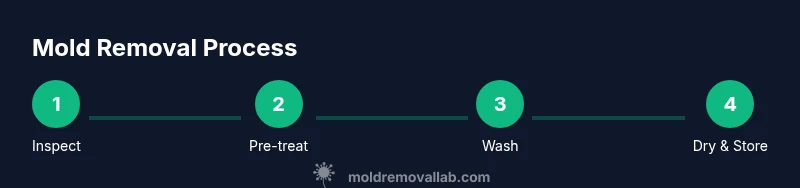
- 1
Inspect and isolate the garment
Carefully inspect the item for visible mold. If you find spots, move the garment to a separate, well-ventilated area to prevent cross-contamination with other clothes. This helps stop spores from spreading during handling.
Tip: Work in a well-ventilated space and wear gloves to minimize exposure. - 2
Pre-treat with a mold-friendly cleaner
Apply white vinegar to the spots or use a color-safe pre-wash solution. Let it sit for 10–15 minutes to weaken the mold attachment to fibers and begin lifting the stain.
Tip: Vinegar is a mild, non-bleaching option that won’t harm most fabrics. - 3
Test colorfastness on a hidden area
Dampen a small, inconspicuous patch and observe for color change over a few minutes. If the color remains stable, you can proceed with stronger pre-treatments; if not, skip harsher cleaners on that fabric.
Tip: Always prioritize fabric safety over aggressive cleaning. - 4
Gently scrub the spot
Using a soft-bristled brush, gently scrub the mold-affected area to lift spores from the fibers without damaging the fabric. This step helps loosen growth before washing.
Tip: Don’t scrub aggressively on delicate knits which can fray easily. - 5
Wash with appropriate settings
Run a full wash with an appropriate detergent. If the fabric is colorfast and white, hot water is more effective; for colored fabrics, use warm water and a color-safe bleach or oxygen-based product.
Tip: Avoid overloading the washer so garments have enough room to move. - 6
Enhance with baking soda or oxygen bleach (optional)
If stains persist, a mild dose of baking soda or oxygen-based bleach can help brighten fibers. Follow product directions and avoid mixing with ammonia or chlorine bleach.
Tip: Rinse thoroughly before drying to remove any residual cleaners. - 7
Rinse, inspect, and air-dry
After washing, inspect the garment again. If mold remains, repeat the treated steps or consider professional remediation for items of high value. Dry thoroughly using sun exposure or a warm dryer setting, ensuring all moisture is removed.
Tip: Mold can re-grow quickly if moisture remains; ensure complete drying. - 8
Sanitize and clean the washing process
Run an empty wash cycle with a disinfectant or hot-water wash to sanitize the machine after treating moldy garments. This prevents cross-contamination to other clothes.
Tip: Wipe seals and the drum to remove any residual spores. - 9
Store properly and monitor
Store cleaned garments in breathable, moisture-controlled spaces. Use dehumidifiers or moisture absorbers in closets and inspect regularly for signs of new mold growth.
Tip: Keep humidity below 50% in storage areas to deter mold.
FAQ
What causes mold spots on clothes and are they dangerous?
Mold on clothing is typically caused by moisture and warmth. While not all mold is dangerous, mold spores can irritate eyes, skin, and lungs, especially for people with allergies or asthma. If you notice persistent mold, treat the garment promptly and ensure proper drying and storage.
Mold on clothing is usually caused by moisture and warmth; it can irritate sensitive individuals, so clean and dry promptly.
Can I use bleach to remove mold from colored clothes?
Bleach can damage color fabrics and should be used with caution. Use color-safe alternatives or diluted solutions only on fabrics that tolerate it, and always test on a hidden area first.
Bleach is risky on colored fabrics—test first and prefer color-safe options when possible.
Is it safe to machine wash all moldy clothes on hot water?
Hot water helps kill active mold on many fabrics but can shrink or damage delicate pieces. Follow care labels and use appropriate temperatures for the fabric type, or opt for a warm wash with a color-safe cleaner if unsure.
Use the heat your fabric can safely handle; check the care label first.
Should I dry moldy clothes outside in direct sun?
Sunlight can help dry and deodorize, but some fabrics may fade or weaken in intense sun. If possible, air-dry in a shaded, well-ventilated area and finish in a dryer if the fabric tolerates heat.
Air-dry in a shaded area if sunlight might fade fabrics, then finish with a proper drying method.
When should I discard items with mold on clothes?
If mold has deeply penetrated the fibers, has caused odors that won’t wash out, or if cleaning would require aggressive methods that could ruin the garment, consider discarding to prevent health risks and contamination.
If the mold is extensive or keeps returning after cleaning, it’s safer to discard the item.
Watch Video
The Essentials
- Act quickly on mold spots on clothes to prevent spread
- Use moisture-control strategies to stop regrowth
- Test colorfastness before applying stronger cleaners
- Dry thoroughly to prevent future mold recurrence
- Sanitize washing machine after handling moldy items