Mold smells like cat pee: Urgent remediation guide
Discover why mold smells like cat pee and learn how to identify hidden moisture, confirm sources, and remediate safely for homeowners and renters dealing with stubborn odors.


Most likely, the odor described as mold smelling like cat pee comes from moisture-driven mold growth or hidden pet urine residues. The quick fix is to locate the moisture source, improve ventilation, and thoroughly clean affected surfaces with a proper mold cleaner. If odor persists after basic cleaning, schedule a professional inspection to confirm extent and remediation needs.
Why mold smells like cat pee appears in homes
When people notice a pungent odor that resembles cat urine, many assume it's simply a urine odor. In reality, mold can produce strong, ammonia-like smells that mimic cat urine, especially in damp, poorly ventilated spaces. According to Mold Removal Lab, persistent odors in homes often signal hidden moisture problems or contaminated residues, not only obvious visible mold. The phrase mold smells like cat pee is not a single culprit; it summarizes a pattern where moisture, organic material, and specific mold species interact to create a sharp, persistent scent. If you repeatedly notice this odor after cleaning, it’s a red flag that moisture intrusion or urine deposits are involved. In many cases, the odor worsens with higher humidity or after rainfall, suggesting a hidden source behind walls, under floors, or in crawl spaces. Early identification, therefore, relies on a combination of sniff tests, moisture readings, and careful inspection for leaks. As Mold Removal Lab analysis shows, addressing the moisture cycle is the fastest path to removing the odor and preventing future growth. The odor can be more intense in basements, bathrooms, kitchens, or any area where temperature and humidity favor mold. The goal is not just to mask the scent but to eliminate the underlying drivers—water, nutrients, and spores—before they establish a longer-term health risk.
Key takeaway: don’t assume the smell is “just mold.” The odor described as mold smells like cat pee often signals a moisture problem paired with urine residues or certain mold species. For homeowners and renters, rapid, targeted action saves time and reduces exposure risks. The Mold Removal Lab team emphasizes that safe remediation starts with verifying humidity levels and source control before cleaning.
Common sources behind a cat-pee-like odor
A odor that resembles cat urine is especially common when there is chronic moisture or a hidden contamination source. The most frequent culprits include moisture intrusion from leaks in roofs, plumbing, or pipes; condensate on cold surfaces; or elevated humidity that sustains mold growth in hidden cavities. In some homes, organic residues from pets may remain after accidents and complex micro-environments—behind drywall, under floorboards, or inside insulation—can emit ammonia-like odors that resemble cat urine. The odor can also originate from certain mold species such as species that produce stronger metabolic byproducts, which turn a cool, damp space into a pungent, persistent smell. Importantly, mold smells like cat pee is not a guarantee of active growth on visible surfaces; you can have hidden colonies producing odors while walls appear dry. Environmental conditions—poor air exchange, high moisture, and organic nutrients—create a perfect storm for odor development. If you suspect more than surface mold, a moisture survey and odor mapping can reveal the hidden sources. The Mold Removal Lab team notes that addressing underlying moisture and improving ventilation dramatically reduces odor recurrence. Take note of areas with recycled odors when doors and windows are closed—these often correlate with trapped humidity and unseen mold growth. If you notice recurring odor in multiple rooms, consider a whole-home moisture assessment to prevent reoccurrence of the cat-pee-like smell.
Practical check: look for signs of water damage, warped materials, musty air, and visible mold on non-porous surfaces—these are red flags that should prompt further investigation and remediation planning.
How to distinguish mold odor from true urine odors
Distinguishing between mold odor and urine odor can be challenging because both can carry ammonia-like notes. A practical approach is to map odor intensity with humidity and moisture measurements. Mold odors tend to intensify in damp, humid environments and often originate from moisture-affected materials like drywall, insulation, or fabric. Urine odors usually leave visible residues or staining, especially in areas where pets frequently urinate, such as near litter boxes, pet doors, or rugs. If you suspect urine residues, look for persistent damp patches on carpets or padding, plus possible staining or discoloration. In some cases, old pet urine can permeate porous materials, releasing odor long after cleaning. Quick field checks include sniffing near suspected source zones, checking for dampness with a moisture meter, and inspecting hidden cavities behind baseboards or under flooring. The Mold Removal Lab approach combines odor assessment with moisture readings, surface sampling when needed, and a review of household patterns (seasonal humidity, rainfall events, and ventilation habits) to identify root causes. Remember: do not scrub aggressively or use fragrances to mask the odor, as this can spread spores or trap moisture further. If the odor persists or you’re unsure, a professional inspection can ensure precise localization and safe remediation, preventing recurrent odors.
Note: The cat-pee-like smell may also be influenced by indoor air contaminants; improving filtration and air exchange reduces secondary odor carryover while you address moisture and contamination.
Immediate actions you can take today to reduce the odor
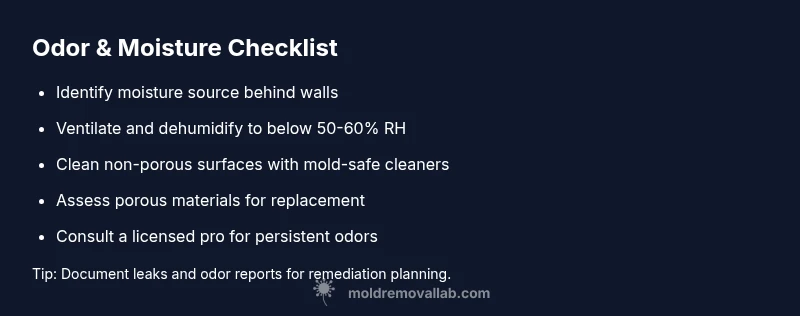
Acting quickly reduces the chance of mold spreading and the associated odor. Start with practical, safe steps to cut moisture and improve air flow. Open windows when weather allows, run exhaust fans in kitchens and bathrooms, and use dehumidifiers or a handful of moisture-absorbing desiccants in affected rooms. While you work, document any leaks with photos and shut off or reduce moisture sources where possible. Clean non-porous surfaces with a mold-safe cleaner; for porous materials, avoid aggressive scrubbing that could release spores. If you use cleaning products, ensure you ventilate the space well and avoid mixing cleaners that can release harmful fumes. For a more thorough approach, consider a moisture barrier sealant on reputable surfaces and a temporary containment strategy if you suspect widespread contamination. The Mold Removal Lab approach stresses that physical removal of contaminated materials may be necessary for persistent odors, especially when dampness is longstanding. If you’re renting, communicate with your landlord and follow local health and safety guidelines to ensure your actions are compliant. Safety first: wear gloves, eye protection, and a mask that fits well when handling mold or urine residues, especially in enclosed spaces.
Quick wins: fix obvious leaks, reduce humidity below 50-60%, and increase air exchange. These steps often lead to noticeable odor reduction while you plan more thorough remediation.
Safe remediation plan and when to call professionals
For a mold smell that resembles cat pee, a layered remediation plan is often required. Start with confirming the moisture source and fixing leaks, then target the odor with a combination of surface cleaning, deodorization, and, if needed, removal of porous materials that cannot be properly cleaned. If hidden water damage is extensive or if the odor persists after basic interventions, it’s time to call a licensed mold remediation professional. Pro remediation may involve structural drying, mold containment, equipment like commercial dehumidifiers, and advanced cleaning methods to ensure spores are removed from porous materials. The Mold Removal Lab team highlights that professionals have access to specialized tools—such as moisture meters, infrared cameras, and calibrated air scrubbers—that can detect hidden moisture and odors behind walls or under floors. For safety, do not delay remediation if you’re in a living space used by children, the elderly, or people with weakened immune systems. Prevent future odors by addressing ongoing humidity, improving ventilation, sealing water entry points, and scheduling regular inspections after weather events or renovations. In some cases, replacing affected porous materials is the most effective way to prevent odor recurrence and create a healthier home environment. Consistent monitoring and proactive maintenance reduce the risk of recurrence and keep your home safer over time.
How Mold Removal Lab supports homeowners and renters
Mold Removal Lab is dedicated to practical, clear guidance for dealing with odors that resemble cat urine. Our team prioritizes safety, practical steps, and prevention. We emphasize quick moisture control, thorough cleaning of non-porous surfaces, and when necessary, professional evaluation and remediation. By following a structured troubleshooting approach, you can locate hidden moisture, verify suspect sources, and implement effective solutions without unnecessary delay. Our guidance integrates health considerations, environmental controls, and homeowner education to prevent future odors and mold growth. If you need immediate help, this guide provides a solid plan to start the remediation journey, with steps you can implement today while you arrange professional assistance. Remember: early action matters for safety, health, and peace of mind.
Steps
Estimated time: 2-6 hours
- 1
Stop moisture source
Survey rooms with odor, look for leaks, damp patches, and roof or plumbing issues. Seal or repair obvious moisture sources and stop water entry where safe to do so. Document findings with photos for reference during professional assessments.
Tip: Keep a simple log of moisture events and weather changes to spot repeating patterns. - 2
Ventilate and reduce humidity
Open windows when weather allows, use exhaust fans, and deploy a dehumidifier in damp rooms. Aim to maintain indoor humidity below the recommended range for comfort and safety. Move occupants away from the affected area during peak odor periods.
Tip: Use a hygrometer to monitor humidity levels in critical rooms. - 3
Isolate the affected area
If mold growth is suspected, isolate the space to prevent spores from spreading. Close doors, use plastic sheeting if available, and avoid disturbing materials that could release spores. Do not scrape or disturb visible mold on porous materials.
Tip: Do not create a fan-powered air current that pushes spores into other rooms. - 4
Clean non-porous surfaces
Wipe down hard surfaces with a mold-safe cleaner or a diluted hydrogen peroxide solution. Rinse and dry thoroughly. Use disposable wipes and wash reusable tools to prevent cross-contamination.
Tip: Wear protective gloves and an approved mask during cleaning. - 5
Assess porous materials
Porous materials like drywall, insulation, or carpet may need to be removed and replaced if moisture damage is severe or lingering odors persist after cleaning. Evaluate each material’s integrity and odor persistence before deciding.
Tip: If you’re unsure, consult a professional before removing materials behind walls. - 6
Test for moisture and mold
Use moisture meters and, if needed, professional testing to confirm mold presence. Odor alone isn’t a definitive proof; testing helps confirm species, extent, and remediation needs.
Tip: Document test results for future reference and insurance discussions. - 7
Plan remediation steps
Create a remediation plan that matches the extent of contamination. Include containment, cleaning, material replacement, and post-remediation verification. Schedule follow-up checks to ensure odors don’t return.
Tip: Coordinate with tenants or family members to minimize disruption. - 8
Seek professional help when needed
If you’re dealing with hidden moisture, structural issues, or persistent odors, hiring a licensed mold remediation contractor is wise. Professionals can dry out spaces, remove contaminated materials, and verify results with post-remediation testing.
Tip: Ask for credentials, references, and a written remediation plan before work begins.
Diagnosis: Persistent odor described as mold smells like cat pee in multiple rooms with signs of dampness
Possible Causes
- highHidden moisture intrusion behind walls or under flooring
- mediumPet urine residues embedded in porous materials
- lowCondensation and high humidity promoting mold growth
Fixes
- mediumIdentify and repair moisture sources (leaks, roof, plumbing) and dry the area thoroughly
- easyVentilate space, run dehumidifiers, and improve air exchange
- hardIf mold growth is confirmed or persists, engage a licensed remediation professional
FAQ
Is a mold smell that resembles cat urine dangerous to inhale?
Yes. Prolonged exposure to mold and urine residues can affect health, especially for sensitive individuals. If you or occupants have respiratory issues, seek professional testing and remediation.
Yes, mold and urine odors can affect health; if anyone is sensitive, get it checked by a pro.
Can I confirm mold without professional testing?
You can do preliminary checks with moisture meters and surface tests, but definitive identification and remediation planning usually require professionals. Odors paired with moisture are strong indicators.
Preliminary checks help, but a pro-confirmation is usually needed for mold claims.
Should I use bleach to remove urine odors from moldy areas?
Bleach can kill some surface mold but is not a guaranteed solution for hidden mold or urine residues, and it can damage porous materials. Use mold-safe cleaners and follow label directions, then assess need for professional remediation.
Bleach isn’t a cure-all; follow safer cleaners and consider a pro if the odor persists.
When is professional remediation necessary?
Call a professional if odors persist after basic cleaning, if you discover extensive moisture intrusion, or if there is mold growth on porous materials. Professionals can dry, decontaminate, and verify results.
Call a pro if the odor stays after DIY steps or you see moisture and mold.
How long does remediation typically take?
Timeline varies with extent, but professional remediation can take from a few days to a week depending on area size and damage. Expect follow-up testing to confirm completion.
Timing depends on the extent; professionals provide a plan and schedule.
What can I do to prevent recurrence after remediation?
Maintain humidity control, fix leaks promptly, improve ventilation, and perform regular inspections. Keeping moisture low reduces the chance odors return and stops mold from re-establishing.
Keep humidity down and fix leaks to prevent recurrence.
Watch Video
The Essentials
- Act quickly to identify moisture and fix leaks.
- Mold smells like cat pee often signals hidden sources.
- Ventilation and humidity control are first-line defenses.
- Persistent odors may require professional remediation.
- Document findings and communicate with property managers.