Mold Smell in House: Diagnose, Fix, and Prevent
Learn how to diagnose a mold smell in house, locate hidden moisture, and implement practical remediation and prevention steps with Mold Removal Lab's expert guidance.


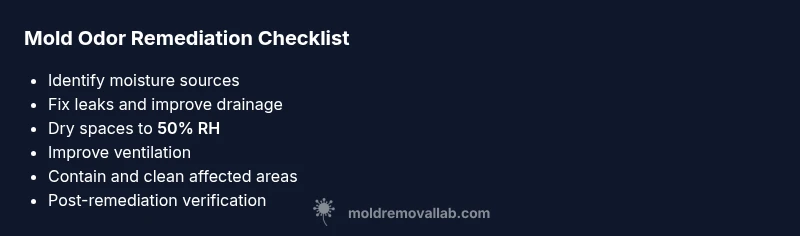
A mold smell in house is usually caused by hidden moisture that fuels mold growth behind walls or under fixtures. Steps to address it quickly: 1) inspect for leaks and drainage issues, 2) dry all affected areas to below 50% humidity within 24-48 hours, 3) improve ventilation and run a dehumidifier; if the odor persists, schedule a professional mold inspection.
What a mold smell in house indicates
A persistent, musty odor is more than a nuisance—it's a signal that moisture is supporting mold growth somewhere in your home. In most cases the smell originates from hidden sources, not visible patches on walls. According to Mold Removal Lab, a mold smell in house usually points to elevated humidity or a moisture intrusion behind walls, under floors, in crawl spaces, or inside HVAC ducts. This isn't just about bad air; certain mold species release volatile organic compounds (VOCs) that create the characteristic odor and can trigger allergic symptoms or respiratory irritation in sensitive people. Early detection reduces the amount of mold your family breathes and minimizes structural damage. The odor may be stronger near bathrooms, laundry rooms, kitchens, or basements where moisture tends to accumulate.
If you notice the odor after rain, during humid days, or after a plumbing event, treat it as an urgent signal. The goal is to identify the moisture source, reduce humidity, and begin slow, thorough drying. Mold smell in house is often a symptom of a moisture problem rather than a single spot of mold that can be wiped away.
Common hidden sources to check first
Hidden moisture is the enemy when dealing with a mold smell in house. Start with a quick sweep of high-risk areas:
- Leaks: inspect under sinks, around toilets, and along the exterior walls for slow leaks. A tiny drip can create damp conditions that sustain mold growth.
- Roof and wall penetrations: check ceilings, corners, and attic spaces for signs of water intrusion, staining, or damp insulation.
- Plumbing condensate: bathrooms, laundry rooms, and kitchens often produce moisture lines that wick into walls.
- Crawl spaces and basements: poor drainage or ventilation here can create a humid microclimate that fosters odors.
- HVAC systems: dirty ducts, standing condensate in pans, or moldy blower compartments can spread odors throughout the home.
Document any findings with photos, note room temperatures, and consider using a moisture meter to quantify dampness in suspect areas. The mold smell in house is rarely caused by a single source; it’s usually a network of moisture problems that require a holistic fix.
Tools and safety basics for mold odor work
Before you dive into remediation, equip yourself with PPE and simple tools to keep you safe and capture accurate information:
- PPE: N95 respirator or better, chemical resistant gloves, eye protection, and long sleeves.
- Moisture meter or hygrometer to measure relative humidity (RH).
- Flashlight and mirror for inspecting tight spaces behind walls.
- Drill with a small bore for sampling only if you have permission and proper training.
Safety note: Do not disturb visible black mold or fragile materials without professional guidance. Some exposures require containment and specialized cleaning methods to prevent cross-contamination.
How to assess the extent safely
A methodical approach reduces the risk of missing hidden mold. Begin with room-by-room checks focused on moisture indicators:
- Visual inspection: look for staining, peeling paint, warped surfaces, or black or greenish growth in hidden corners.
- Humidity checks: keep indoor RH below 50-60%. Higher humidity correlates with persistent odor and mold growth.
- Moisture mapping: use a moisture meter on walls, floors, and ceilings near suspected zones, including behind baseboards and under cabinetry.
- Odor tracing: follow the strongest scent, but remember that odors can travel; check adjacent rooms and HVAC plenum where air carries smells.
If the odor persists after addressing obvious leaks and humidity, the issue may be concealed within structural materials or HVAC ducts.
Mold smell in house often points to hidden moisture, which is easier to fix when you map out the moisture network and address sources in a systematic way.
Step-by-step quick fixes you can start today
These steps help reduce odor while you plan a thorough assessment:
- Stop moisture sources: fix any active leaks and ensure surfaces dry within 24-48 hours.
- Dry out the space: use fans to circulate air and dehumidifiers to bring RH below 50% in affected rooms.
- Improve ventilation: run exhaust fans in bathrooms and kitchens; keep interior doors open to promote air exchange.
- Clean visible damp surfaces: scrub non-porous surfaces with a mixture of detergent and water; avoid DIY cleaning of porous materials if mold has penetrated deep.
- Create containment: limit cross-contamination by isolating affected spaces with barriers and using dedicated cleaning tools for those areas.
- Document and monitor: photograph the area and track humidity levels over the next 24-72 hours to assess improvement.
- Decide on next steps: if odor remains or if you see growth, escalate to a mold remediation professional for a deeper assessment.
Tip: Start with the easiest fixes (leaks and humidity) before moving to more complex remediation tasks to reduce risk and cost.
Diagnostic flow: from smell to action
A structured diagnostic flow helps you avoid guesswork and makes the remediation more effective:
- Symptom: Persistent musty odor throughout rooms or in a specific zone.
- Initial checks: leaks, damp materials, and visible mold growth. Measure RH; aim for under 50-60%.
- Narrow down sources: HVAC, plumbing, roof leaks, or condensation issues.
- Confirm with tools: moisture meter readings, IR camera if available, and a controlled moisture-curing test.
- Decide on remediation path: DIY fix for minor dampness or professional remediation for concealed mold or large-scale moisture problems.
If the odor lingers after basic fixes, or there’s visible mold growth, invest in professional assessment for a safe and effective remediation plan.
Diagnostic flow (continued) — sources and solutions
Possible sources include hidden leaks behind walls, condensation on windows, and HVAC-related moisture. Each source requires a targeted solution: repair the leak, reduce humidity, or clean and disinfect stained materials. Use a stepwise approach: repair, dry, disinfect, monitor, and re-test. If you’re unsure about the extent of mold or if the infestation is near electrical or structural elements, call a licensed professional.
Mold smell in house is not a cosmetic issue; it signals moisture problems that can affect health and building integrity. A cautious, methodical approach yields the best long-term results.
In-depth remediation options: DIY vs pro
For small, surface-level dampness and odor, a careful DIY approach can work, provided safety protocols are followed. However, concealed mold growth, mold in HVAC systems, or water-damaged porous materials require professional remediation to prevent cross-contamination and ensure complete removal. Professionals use containment, negative air pressure, HEPA filtration, and specialized cleaning agents to address mold and moisture at the source. The choice between DIY and pro remediation depends on the extent of damage, the materials involved, and your comfort with safety procedures. Look for proper licensing and documented remediation plans when hiring.
This mold smell in house often improves after proper containment and targeted moisture control; persistent odors should not be ignored, especially in homes with vulnerable occupants.
Mold Removal Lab emphasizes that early professional input can prevent recurring odor and structural damage, reducing long-term costs and health risks.
Prevention and long-term maintenance
Prevention is the best strategy for a home prone to mold odor. Implement a moisture-control plan and regular inspections:
- Keep humidity in check: use dehumidifiers in humid seasons and maintain RH under 50-60% year-round.
- Ensure proper ventilation: run exhaust fans in bathrooms, kitchen, laundry, and crawl spaces; consider installing moisture-sensing fans.
- Maintain roofing and plumbing: repair leaks promptly; inspect for roof penetrations after heavy rain.
- Improve drainage: ensure exterior walls have proper grading away from the foundation; clear gutters and downspouts.
- Sealing and insulation: seal gaps around windows and pipes to reduce condensation and moisture migration behind walls.
Routine maintenance, combined with rapid response to dampness, minimizes mold odors and helps keep the home healthier for occupants.
What to expect from professional remediation and timeline
If a professional remediation is required, expect a three-phase approach: assessment, containment and removal, then clearance and prevention planning. The initial assessment identifies all affected areas and moisture sources. Containment isolates the work area to prevent cross-contamination, followed by removal of mold-affected materials and cleaning. A post-remediation verification ensures the problem is resolved and safety levels are restored. Depending on the extent, this process can take several days to a couple of weeks. A clear plan and proactive prevention measures reduce the chance of reoccurrence.
Steps
Estimated time: 2-3 days
- 1
Identify moisture sources
Inspect all likely moisture points (sinks, toilets, roofs, AC units) and note any damp or staining. Use a moisture meter to map damp zones behind walls and under floors.
Tip: Document every finding with photos and measurements to track progress. - 2
Stop the moisture ingress
Repair leaks or faulty installations and redirect water away from the home. Ensure windows and doors seal properly during humid seasons.
Tip: Even small leaks can drive persistent odor; fix promptly. - 3
Dry the space thoroughly
Ventilate the affected area with fans and dehumidifiers until RH stays under 50-60% for several days. Resume normal activities only after thorough drying.
Tip: If you have wall cavities, consider using professional equipment for effective drying. - 4
Clean and disinfect affected surfaces
Use a detergent solution on non-porous surfaces; avoid over-wetting porous materials. For porous materials, professional assessment is recommended before removal.
Tip: Do not mix ammonia with bleach; it creates toxic fumes. - 5
Assess hidden mold in ducts or insulation
Check HVAC ducts, insulation, and crawl spaces for mold growth. If growth is present, consult a professional for duct cleaning and possible material replacement.
Tip: Avoid running the HVAC until ducts are inspected to prevent spread. - 6
Prevent future moisture buildup
Install or improve ventilation, fix grading issues, and maintain gutters. Use exhaust fans when cooking or showering and consider a whole-house dehumidifier if needed.
Tip: Set a regular humidity check routine to catch rising RH early. - 7
Document remediation results
Keep a log of moisture readings, actions taken, and photos. A final assessment confirms removal of odors and mold behind walls.
Tip: Request a written remediation plan and post-remediation clearance if you used professionals. - 8
Plan for ongoing prevention
Establish a maintenance schedule for water-prone areas and monitor damp zones over the seasons. Make prevention part of regular home upkeep.
Tip: Early intervention prevents costly repairs later.
Diagnosis: Persistent mold odor in home
Possible Causes
- highHidden moisture from leaks behind walls
- mediumCondensation due to poor ventilation
- lowHVAC system providing mold growth
Fixes
- easyRepair leaks and fix drainage issues
- easyDry affected spaces to below 50% RH
- easyImprove ventilation and run dehumidifiers
- hardConsult a mold remediation professional for concealed mold
FAQ
What commonly causes a mold smell in a house?
A musty odor usually signals hidden moisture that allows mold to grow behind walls, under floors, or in HVAC systems. Addressing leaks, humidity, and poor ventilation is essential, and you may need professional help for concealed mold.
A musty odor usually means hidden moisture that lets mold grow behind walls or in ducts. Fix leaks, reduce humidity, and consider a professional inspection for concealed mold.
Can a mold smell be dangerous to health?
Yes, mold odors can indicate mold growth that releases VOCs and spores, which may irritate eyes, nose, and throat or trigger allergies and asthma in sensitive individuals. Proper remediation reduces risks.
Yes. Mold odors can mean growth that releases irritants and spores; remediation lowers health risks.
How long does remediation take?
Timeline depends on the extent of mold and moisture control needs. Small, cosmetic cleaning may take hours; larger or concealed mold can take several days to weeks with professional work and post-remediation testing.
It varies from a few hours for small jobs to several days for larger or concealed mold, especially with testing.
Do I need a professional mold remediation?
If mold covers more than a few square feet, involves structural materials, or recurs after cleaning, hire a licensed mold remediation professional for safe containment and complete removal.
Usually yes, especially for larger areas or when mold returns after cleaning.
What equipment is used during remediation?
Professionals use containment barriers, negative air pressure, HEPA filters, specialized cleaners, and occasionally energy-efficient dehumidification systems to remove moisture and spores.
Containment, HEPA filtration, and dehumidifiers are typical tools used by pros.
How can I prevent mold smells in the future?
Maintain indoor humidity under 50-60%, fix leaks promptly, ensure proper ventilation, and perform seasonal inspections of damp-prone areas like basements and bathrooms.
Keep humidity low, fix leaks quickly, and ventilate bathrooms and basements to prevent odor recurrence.
Watch Video
The Essentials
- Identify moisture sources first
- Humidity control is essential
- DIY fixes work for small problems, larger issues need pros
- Prevent recurrence with ongoing maintenance