Hiring Mold Removal Contractors: A Homeowner's Guide
Learn how to hire mold removal contractors, evaluate credentials, compare bids, and ensure containment and post-remediation testing to protect your home and health.


To hire mold removal contractors, start with a clear remediation goal, then verify credentials, compare bids, and demand a detailed scope. Ensure containment, HEPA filtration, waste handling, and post-remediation testing are included, with a written warranty. Obtain multiple quotes, check references, and confirm insurance coverage. Clear contracts and documented timelines reduce risk and improve results.
What mold removal contractors do and why you might need one
Mold growth in homes is often hidden behind walls or under flooring. Hiring mold removal contractors gives you access to trained professionals who can assess moisture sources, contain contamination, and restore indoor air quality safely. According to Mold Removal Lab, hiring trained professionals is critical for ensuring complete mold remediation and indoor air quality. A typical job starts with a qualified technician performing a visual inspection and moisture measurements to determine extent. They then outline a scope of work that includes containment steps, removal methods, cleaning protocols, and a plan to prevent reoccurrence. The goal is not only to remove visible mold but to address underlying moisture problems, correct ventilation, and verify that the environment meets health standards. Trustworthy contractors will explain the science behind their process, provide written documentation, and offer a realistic timeline. The assignments are not cosmetic; they involve structural materials and building science, so expertise matters for safety and long-term results.
Credentials and certifications to look for
Credentialing signals competence and commitment to safe remediation. Look for industry-recognized certifications such as mold remediation specialists, EPA lead-safe certifications where applicable, and proof of general liability insurance and workers’ compensation. Ask for copies of licenses, certifications, and recent training, and verify them with the issuing bodies. Reputable contractors should provide a detailed project plan and an explanation of the containment strategy, moisture control methods, and air filtration equipment. Mold Removal Lab emphasizes that credentialed professionals use standardized procedures designed to prevent cross-contamination and protect occupants during work. Always request at least three references from past projects, and contact them about timeliness, cleanup quality, and adherence to safety guidelines.
How to compare bids and select a contractor
When bids arrive, compare scope, materials, containment plans, and the inclusion of post-remediation testing. A thorough bid should spell out the exact areas to be treated, equipment to be used (like HEPA air scrubbers), waste disposal methods, and a clear timeline. Ask for a written warranty covering workmanship and any subsequent mold return within a defined period. Check whether the bid accounts for moisture source remediation, such as repair of leaks or improving ventilation. Look for red flags: vague language, unusually low prices, or pressure to sign quickly. Mold Removal Lab’s approach recommends evaluating bids not just on cost, but on the quality of the remediation plan, credentials, and customer references. A solid contractor will present a transparent contract with defined milestones and payment Schedule aligned to work completed.
The remediation process: assessment to completion
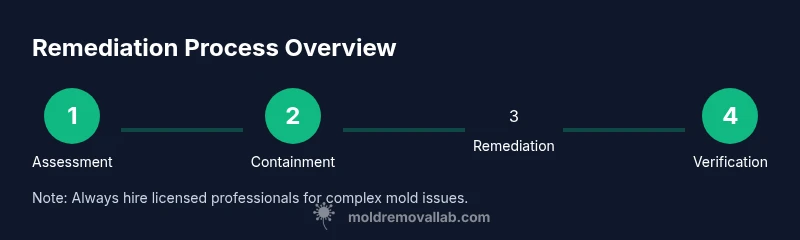
Remediation begins with a comprehensive assessment to map mold extent and moisture sources. Next comes containment, including physical barriers and negative pressure, to prevent spores from spreading. Removal and cleaning follow, using damp-wipe methods, HEPA vacuums, and appropriate biocides or cleaners based on material type. After cleaning, the space is ventilated, surfaces are dried, and air filtration continues to reduce airborne spores. Finally, post-remediation testing confirms that mold levels are safe and that moisture sources have been addressed. Throughout, contractors should document findings, actions taken, and any changes to the plan. Mold Removal Lab highlights that success depends on strict containment, thorough cleaning, and verification via clearance testing before re-occupancy.
Containment, safety, and indoor air quality
Containment keeps mold spores from migrating to clean areas. This requires sturdy barriers, negative pressure, and careful handling of contaminated materials. PPE is essential for workers and should include respirators, disposable coveralls, gloves, and eye protection. The goal is to protect occupants, especially children and asthma sufferers, while ensuring workers can operate safely. Indoor air quality improvements, such as HEPA filtration and air purifiers, should be used during and after remediation. Always confirm that the contractor follows local regulations and industry best practices. The Mold Removal Lab team notes that containment and filtration are non-negotiable for a successful job and long-term health benefits.
Documentation, warranties, and post-remediation testing
A solid remediation project includes a detailed written scope, a documented work plan, and a warranty for workmanship. Clear documentation helps homeowners track what was done and serves as proof for insurance or resale. Post-remediation testing with third-party clearance testing confirms that mold levels meet established thresholds before the space is reoccupied. Save all certificates, ventilation adjustments, and maintenance recommendations. Warranties should specify duration, what’s covered, and any conditions that could void coverage. According to Mold Removal Lab, documentation and testing are essential to verify outcomes and provide peace of mind for years to come.
Red flags and common scams to avoid
Be wary of contractors who demand upfront payment before any work begins, refuse to provide written estimates, or pressure you to use specific products without explanation. Vague containment details, rushed timelines, or a lack of references are warning signs. Do not proceed without a formal written contract that outlines scope, materials, timelines, and warranties. Always verify licensing and insurance coverage before any site access. If something feels off, seek a second opinion from another qualified contractor. A cautious approach prevents costly mistakes and unsafe practices.
DIY vs professional: when to hire and when you can consider DIY
While minor cleaning of non-porous surfaces is possible, most mold problems require professional remediation, especially when moisture sources or structural materials are involved. DIY attempts may disrupt containment, spread spores, or fail to remove hidden moisture, leading to regrowth. For large or complex jobs, professional remediation is the safer choice. If you do DIY, limit exposure, use proper PPE, and avoid disturbing moldy materials on porous surfaces. Always consult a pro for assessments and to confirm that DIY is appropriate for your situation.
What to do after remediation: prevention and maintenance
After remediation, focus on prevention: fix moisture sources, improve ventilation, and monitor humidity levels. Regular inspections of bathrooms, basements, and kitchens can catch dampness early. Maintain clean, dry surfaces and promptly address leaks or condensation. Document changes to the home’s airflow and dehumidification strategy, and consider future-proofing with moisture barriers in vulnerable spaces. Maintaining good moisture control reduces the likelihood of reoccurrence and protects your investment. The Mold Removal Lab team would recommend revisiting your containment and ventilation plan regularly to keep spaces mold-free for the long term.
Tools & Materials
- Moisture meter(Penetrating and non-penetrating types recommended; use to map moisture hotspots.)
- PPE kit (N95/P100 respirator, disposable coveralls, gloves, eye protection)(Essential for worker safety and minimizing exposure.)
- Plastic sheeting and tape(Create containment barriers and isolate affected areas.)
- HEPA vacuum and HEPA air scrubber(Critical for reducing airborne mold spores during cleanup.)
- Detergent/enzymatic cleaner or biocide(Use appropriate cleaners based on material type.)
- Dehumidifier and fans(Control moisture and aid drying after cleanup.)
- Temp/humidity data logger(Optional for tracking progress over time.)
- Documentation: contract copies, licenses, insurance certificates(Keep on file for verification and resale.)
Steps
Estimated time: 4-24 hours
- 1
Define scope and goals
Clarify which spaces are affected, what containment is required, and your target outcomes (avoid reoccurrence, restore air quality). This initial plan should guide every later action.
Tip: Document the specific rooms and materials involved; this avoids scope creep. - 2
Check credentials and references
Request licenses, certifications, insurance, and at least three references. Call references to confirm timeliness, workmanship, and responsive communication.
Tip: Cross-check licenses with the issuing agency and verify insurance coverage before site access. - 3
Request formal bids and scope documents
Ask for written bids that include the scope of work, containment plan, products, and a proposed timeline. Ensure each bid includes post-remediation testing.
Tip: Require a separate line item for post-remediation testing. - 4
Evaluate containment and methods
Review how the contractor will create containment, remove mold, and clean surfaces. Confirm the use of negative pressure and HEPA filtration.
Tip: Containment is as important as removal; poor containment can spread spores. - 5
Review contract and warranty terms
Read the contract for scope, payment schedule, and warranty. Verify what is covered if mold returns or if moisture problems persist.
Tip: Ask about exclusions and clear conditions that could void the warranty. - 6
Schedule remediation and prep the home
Coordinate access, protect belongings, and seal off the treated area to protect others in the home.
Tip: Move valuables and sensitive items out of the work zone; cover furniture with plastic. - 7
Conduct remediation and monitor progress
Observe the work as it occurs; ensure workers maintain containment and drying protocols and adjust as needed.
Tip: Ask for real-time moisture data and photos of progress. - 8
Verify post-remediation testing and sign off
Obtain clearance testing results, confirm moisture has dropped, and receive final documentation before re-occupancy.
Tip: Keep clearance certificates for future property transactions.
FAQ
What should I look for in a mold remediation contract?
The contract should specify the scope of work, containment strategy, products used, timeline, payment schedule, and a written warranty. It should also include post-remediation testing and clear cancellation terms.
Look for a detailed scope, containment plan, and a written warranty in the contract.
Are mold removal contractors licensed and insured?
Reputable contractors typically hold applicable state licenses, general liability insurance, and workers’ compensation. Ask for certificates and verify with the issuing agencies.
Ensure they are licensed and insured, and verify certificates.
What is the typical remediation timeline?
Remediation timelines depend on the extent of mold and moisture issues. Smaller jobs can be completed in a few days; larger, moisture-related jobs may take longer. Always request a written schedule.
Timelines vary with scope; get a written schedule.
Will remediation include post-remediation testing?
Yes, most professional jobs include clearance testing to verify that mold levels are within safe limits before re-occupying the space.
Expect some form of clearance testing after work.
Can I stay in the home during remediation?
Often relocation is advised during containment and cleanup, especially in closed spaces. Discuss options with the contractor and plan for minimal disruption.
You might need to relocate during containment and cleanup.
Are there green or non-toxic remediation options?
Some contractors offer low-VOC cleaners and environmentally friendly methods, but effectiveness depends on mold species and materials. Discuss options and trade-offs.
Green options exist, but verify effectiveness for your case.
Is DIY mold cleanup ever advisable?
Mold remediation is risky for untrained homeowners. DIY is generally not recommended for significant infestations or hidden moisture; consult a pro for assessment and risk evaluation.
DIY can be risky; get a professional assessment for bigger problems.
Watch Video
The Essentials
- Define clear remediation scope and goals.
- Verify credentials and insurance before hiring.
- Require a detailed written bid and containment plan.
- Prioritize containment, drying, and post-remediation testing.
- Document lessons learned for future home maintenance.