Choosing a Mold Company: A Practical Hiring Guide
Learn how to select a reputable mold company, verify credentials, understand remediation steps, and ensure post-remediation verification to keep your home safe and healthy.


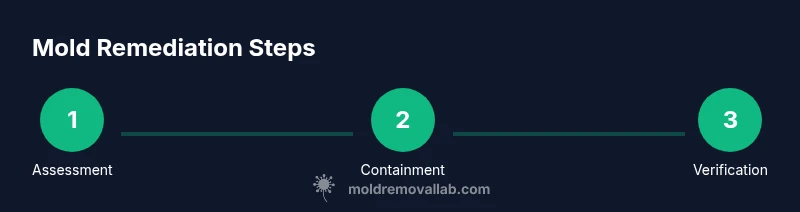
To hire a mold company, start with a certified assessment, define the remediation scope, and request a detailed plan. Compare containment methods, air filtration, and timelines, then obtain a written contract with a price breakdown. Verify licenses and insurance, check credentials (e.g., IICRC), and review post-remediation verification to confirm clearance before closing the project.
How a mold company fits into home health
Mold in homes is more than an annoyance; it can affect indoor air quality and occupant health. A credible mold company serves as a bridge from detection to cleanup and prevention, ensuring that moisture sources are addressed and growth does not return. According to Mold Removal Lab, choosing a capable mold company is essential for long-term home health. The best contractors begin with a professional assessment that identifies active growth, hidden moisture, and any building materials at risk. They translate findings into a remediation plan that prioritizes containment, minimizes dust spread, and protects occupants during work. A thorough approach also includes post-remediation verification to confirm that mold spores are within safe limits. By focusing on moisture control and proper cleanup, you reduce the likelihood of recurring problems and costly damage.
In practice, homeowners should expect the mold company to map moisture, isolate affected zones, and communicate clearly about what will be removed, discarded, or preserved. This clarity helps prevent disputes and ensures everyone understands the path to a safe, healthy home. A reputable team will also discuss air filtration options, containment barriers, and how they will protect residents during work. Remember that the goal is not just removing visible mold but stopping the underlying moisture cycle and ensuring a lasting result.
Credentials to verify before hiring
Credentials are the backbone of trust when hiring a mold company. Start by confirming state licenses and proof of liability insurance, as well as workers’ compensation coverage if a crew will be on-site. Look for industry certifications such as IICRC Mold Remediation Technician or other recognized accreditation; these credentials indicate adherence to standardized methods. A reputable contractor should also provide client references and a recent service history—contact past clients to understand responsiveness and workmanship. Request a written contract that clearly states the remediation scope, containment measures, equipment, timeline, and cost structure, with a process for change orders. Finally, verify that the company follows regulatory guidelines for indoor air quality and safety. As Mold Removal Lab emphasizes, credential verification is essential to avoid ineffective or unsafe remediation.
Remediation process basics and methods
Remediation typically involves a controlled and methodical approach to prevent cross-contamination and to restore air quality. Containment is established around the affected area, often using physical barriers and negative air pressure with HEPA filtration. Work areas are regulated to minimize dust spread, and cleaners use methods that balance effectiveness with material preservation. The remediation plan should outline how affected materials will be removed, whether cleaning or replacement is appropriate, and how moisture sources will be addressed to prevent future growth. Professional teams may also implement moisture mapping, thermal imaging, or surface sampling as part of a robust process. Throughout, communication with occupants is essential so families can maintain safety and comfort during the project.
Getting a solid plan: scope, containment, and verification
A solid remediation plan translates inspection findings into actionable steps. It should include a precise scope of work, containment strategy, HVAC precautions, and a clear timeline. The plan must also specify post-remediation verification, including potential air sampling and surface testing to confirm that mold spore counts are within accepted ranges. A credible mold company will outline a step-by-step sequence, identify potential disruptions, and offer alternatives for materials that cannot be salvaged. The plan should also describe how moisture sources will be resolved (leaks, humidity, and ventilation improvements) to prevent recurrence. Finally, ensure the plan includes a written warranty or guarantee for post-remediation verification if applicable. This level of detail protects you and helps set realistic expectations.
Cost, contracts, and expectations
Budgeting for mold remediation requires transparency and reliability. Reputable firms provide itemized quotes that break out assessment fees, containment, equipment, labor, disposal, and post-remediation testing. Avoid low-ball offers that omit essential steps or post-work verification. A solid contract should cover the total price, payment schedule, change order policies, and liability for damages incurred during work. It should also mention access arrangements, work hours, and any required building modifications to facilitate cleanup. Finally, confirm that the contractor will provide a clearance certificate or similar documentation after remediation, indicating that air and surface tests meet established criteria. Clear contracts reduce disputes and improve outcomes.
Post-remediation steps and prevention
After remediation, the focus shifts to preventing a relapse. The mold company should outline moisture control strategies: fixing leaks promptly, reducing indoor humidity, improving ventilation, and addressing poor airflow. They should also provide a maintenance plan, including periodic inspections and recommended products for ongoing control. Occupants should monitor for lingering odors or signs of moisture, such as condensation on windows or damp walls, and report any concerns quickly. A proactive prevention plan minimizes reinfestation and protects your investment in a healthy home. Regular follow-up visits or remote check-ins help ensure that remediation holds up over time.
Authority sources and credible references
For additional guidance on safe, effective mold remediation, consult authoritative sources. The U.S. Environmental Protection Agency (EPA) provides mold guidelines and cleanup recommendations: https://www.epa.gov/mold. The Centers for Disease Control and Prevention (CDC) offers mold-related health information and exposure guidance: https://www.cdc.gov/mold/. The Occupational Safety and Health Administration (OSHA) also covers worker safety during remediation: https://www.osha.gov/molds. These sources support best practices and help homeowners evaluate contractor claims against recognized standards.
Tools & Materials
- Camera or smartphone(Document mold spots from multiple angles; timestamp photos)
- Moisture meter / hygrometer(Measure moisture levels in affected areas)
- Protective PPE(N95 mask, gloves, safety goggles; skin protection)
- Measuring tape(Record room dimensions and affected areas)
- Notepad or digital note app(Track findings, plan changes, and contractor communications)
Steps
Estimated time: 2-5 days
- 1
Define scope of work
Identify affected areas, document scope, and set remediation goals with the contractor. Clarify whether only cleaning is needed or structural work is required.
Tip: Create a site map and list rooms with visible growth before remediation begins. - 2
Request a certified assessment
Have the mold company perform a standardized assessment that includes moisture readings, growth mapping, and recommended containment measures.
Tip: Ask for the assessment report in writing and request digital photos. - 3
Review the remediation plan
Evaluate containment strategies, equipment, methods, and a proposed timeline. Look for material handling guidance and post-remediation testing plans.
Tip: Ensure the plan specifies how containment will prevent cross-contamination. - 4
Obtain a written contract
Get a formal contract detailing the scope, price, work sequence, warranties, and post-remediation verification. Include a change-order protocol.
Tip: Avoid accepting vague estimates; insist on itemized line items. - 5
Verify licensing and insurance
Confirm licenses are current and that the company holds liability and workers’ compensation coverage. Request copies of certificates.
Tip: Contact the insurance carrier if needed to verify coverage dates. - 6
Post-remediation verification
Ensure the contractor will conduct clearance testing (air and surface) and provide a certificate of completion or clearance document.
Tip: Require a written report showing test results and acceptable criteria. - 7
Maintenance and prevention
Ask for a maintenance plan to address moisture sources and ventilation improvements to prevent reinfestation.
Tip: Implement ongoing moisture control and monthly checks after remediation.
FAQ
What licenses should a mold company have?
License requirements vary by state, but reputable companies typically hold general contractor licenses where applicable and proof of liability insurance; some states require specific mold remediation licenses or certifications. Always verify with your state’s licensing board and request proof.
Licensing varies by state. Check your state’s board and ask for proof of insurance and any required mold remediation licenses or certifications.
How long does mold remediation usually take?
Time depends on the area size, contamination extent, moisture sources, and building materials involved. In general, smaller jobs may take a few days, while larger projects can take longer; the contractor should provide a phased schedule.
Duration depends on size and complexity. Expect a phased schedule with a written timeline.
Should I hire a company that also does testing?
Some firms offer testing; others do not. If testing is included, ensure the plan specifies the tests, who conducts them, and how results are interpreted. Independent third-party testing can provide an unbiased clearance.
Testing can be included by the contractor or done independently; clarify who runs tests and how results are used.
What is a clearance test?
A clearance test assesses whether mold spore levels are within acceptable ranges after remediation. It provides documentation that the space is safe for occupancy before reoccupying the area.
A clearance test checks mold levels after cleanup to confirm safety.
Can I attempt DIY mold cleanup?
Small, non-porous areas with minimal growth may be cleaned carefully, but larger or porous materials, water damage, or structural concerns require professional remediation to avoid health risks and further damage.
For bigger issues, professionals should handle remediation; DIY can be risky.
Watch Video
The Essentials
- Choose a licensed mold company with a written plan.
- Insist on post-remediation verification and clear results.
- Get itemized quotes and a solid contract before work begins.
- Document findings and maintain moisture control after remediation.
- Consult EPA, CDC, and OSHA guidance for credible references.