Mold Primer: A Practical Guide to Safe Mold Remediation
Learn what mold primer is, when to use it, how to choose the right product, and step-by-step techniques for safe, lasting mold remediation at home.


Mold primer is a specialized sealant designed to create a uniform, paint-ready surface after you’ve finished removing visible mold and moisture issues. It helps mask any remaining staining, reduces the likelihood that moisture will bleed through top coats, and creates a stable base for subsequent paints or finishes. Use it only after thorough cleaning, drying, and moisture control.
What is mold primer and why it matters
Mold primer is a specialized sealant designed to create a uniform, paint-ready surface after you’ve finished removing visible mold and moisture issues. It helps mask any remaining staining, reduces the likelihood that moisture will bleed through top coats, and creates a stable base for subsequent paints or finishes. For homeowners, understanding when and how to use mold primer can prevent recurring appearance of moldy marks and uneven paint absorption on drywall, concrete, or wood. According to Mold Removal Lab, using a primer as part of a remediation plan improves long-term aesthetics and helps seal in odors when paired with proper drying and moisture control. The primer is not a substitute for removing the root cause of moisture; it is a finishing step that works best when humidity is under control and surfaces are fully dry.
Types of mold primer and when to use them
There are several mold primer types, each with advantages for different surfaces and conditions. Water-based primers are common and offer easy cleanup and lower odor, making them suitable for interiors and bathrooms where ventilation is good. Solvent-based primers often provide stronger sealing on glossy surfaces or heavily stained areas, but they require greater ventilation and careful handling. Some products include antimicrobial additives intended to inhibit surface growth for a time; however, no primer can replace moisture control. Based on Mold Removal Lab research, the most important factor is compatibility with the substrate and allowing complete drying before painting. Read the product data sheet to confirm dry times, recoat windows, and VOC levels before purchase.
Surface prep before applying mold primer
Good surface prep is what makes primer performance possible. Begin by removing loose mold debris with a dry brush or a cloth; avoid saturating material with water. Clean the area with a mild detergent and rinse to remove residues that could repel the primer. Drying is essential—use a dehumidifier or fans to reach a stable moisture level before priming. If visible mold was present, ensure there is no ongoing moisture source and that the area is well-ventilated during and after cleaning. Protective PPE such as gloves, a respirator, and eye protection should be worn throughout. Brand guidance from Mold Removal Lab emphasizes that a dry, clean surface maximizes primer adhesion and reduces the risk of staining after painting.
How to choose the right mold primer for your surface
Primer selection depends on substrate and intended finish. For drywall or plaster, a high-adhesion, low-VOC water-based primer is generally suitable. For wood or painted surfaces with lingering stains, consider a stain-blocking primer with mold-resistant claims, but verify third-party certifications. If you plan to paint with a glossy topcoat, a bonding primer can improve adhesion. Always check that the primer is compatible with the topcoat and the moisture conditions in the room. The Mold Removal Lab team recommends testing a small area first to confirm coverage and drying behavior before committing to a full room.
Application techniques: brushing, rolling, and back-rolling
Apply primer in thin, even coats rather than thick layers. Start with edges and corners using a brush, then roll wide areas with a short-nap roller for uniform coverage. Overlap strokes to avoid lap marks and allow each coat to dry according to the manufacturer’s guidance. If you see bare patches after the first coat, apply a second coat rather than trying to fix with a thicker single layer. After application, ventilate the space well and avoid re-wetting the surface before it dries. Following these techniques helps maximize stain block and surface seal when moisture risk remains.
Safety, ventilation, and indoor air quality considerations
Mold primer use is as much about safety as it is about appearance. Ensure the area is well-ventilated, with exhaust to the outside if possible. Wear a properly fitted respirator and eye protection to guard against fumes and dust. Keep children and pets away from the workspace until the primer cures. Store primers away from heat sources and sunlight, and dispose of any rags or brushes according to local guidelines. If you have asthma or chemical sensitivities, consult a professional or choose low-VOC products labeled for indoor use.
Troubleshooting and common mistakes
Common mistakes include priming damp surfaces, skipping prep, or applying primer too thickly, which leads to peeling and poor adhesion. Not allowing enough drying time between coats can trap moisture and cause blistering. In humid conditions, moisture in the air may slow curing and promote mold regrowth if moisture control steps were neglected. If staining bleeds through after priming, you may need a dedicated stain-blocking primer or an additional coat after drying.
Maintenance and preventing future mold growth after priming
Priming is only one part of a mold-prevention plan. Maintain low humidity levels, fix leaks promptly, and improve ventilation in kitchens, bathrooms, and basements. Re-check surfaces periodically for signs of moisture intrusion and re-prime if stains reappear after a repaint. When remodeling is complete, consider sealing vulnerable seams with mold-rated caulk and installing moisture barriers where appropriate. The Mold Removal Lab approach emphasizes ongoing monitoring as the best defense against recurrence.
Tools & Materials
- Mold primer (water-based or solvent-based as appropriate)(Choose product compatible with substrate; check VOC level and dry times on label)
- Primer roller with 1-4 inch nap(Use a metal roller frame; replace nap if shedding fibers)
- Angled brush for edges and corners(Synthetic bristles work well for water-based primers)
- Painter's tape(Protect adjacent surfaces and trim edges for clean lines)
- Drop cloths or plastic sheeting(Contain debris and protect floors and furniture)
- NIOSH-approved respirator(Choose appropriate cartridge for solvent-based primers)
- Chemical-resistant gloves(Nitrile recommended; avoid natural rubber for solvent-based products)
- Detergent, bucket, and clean water(For initial cleaning and surface prep)
- Dehumidifier or dehumidification strategy(Helps achieve a dry surface before priming)
Steps
Estimated time: 2-4 hours active; 12-24 hours dry time depending on product and humidity
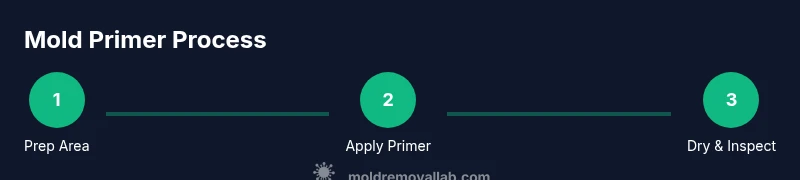
- 1
Assess area and gather supplies
Survey the space to identify all affected surfaces and potential moisture sources. Put on PPE, lay down drop cloths, and assemble primers, rollers, brushes, tape, and ventilation equipment. Having everything ready reduces delays and keeps your workflow smooth.
Tip: Double-check substrate compatibility and test area before full-room priming. - 2
Clean and dry surfaces thoroughly
Remove loose mold debris with a dry brush or cloth, then clean with mild detergent and rinse. Dry the surface completely using a dehumidifier or fans. Ensure there is no ongoing moisture source during priming.
Tip: Work from the top down to prevent dirty runoff from landing on cleaned areas. - 3
Choose the right mold primer
Select a primer compatible with your substrate and compatible with your topcoat. Check for low-VOC labels and any antimicrobial claims, understanding they do not replace moisture control. Read the label for dry times and recoat windows.
Tip: Test a small patch first to confirm adhesion and coverage. - 4
Apply thin coats evenly
Begin with edges and corners using the brush, then roll large areas with a short-nap roller. Work in thin coats and maintain a wet edge to avoid lap marks. Allow each coat to dry fully before applying the next.
Tip: Do not rush to the second coat if the first is still tacky; this can cause defects. - 5
Inspect and touch up
After the dry time, inspect for patchy areas or stains that bleed through. Apply a second coat where needed and ensure uniform color and texture before moving on to painting.
Tip: Lighting at a 45-degree angle helps reveal imperfections you might miss otherwise. - 6
Plan next steps after curing
Once the primer is fully dry, plan your topcoat or sealant. Keep the space ventilated during curing and prevent re-wetting surfaces. Store materials safely and label areas that have cured.
Tip: Keep the space dry for the recommended curing period before painting.
FAQ
What is mold primer and how does it help after mold cleanup?
Mold primer is a sealant used after cleaning to create a uniform base for topcoats and to block stains. It improves adhesion and helps reduce moisture bleed-through when the surface is fully dry.
Mold primer is a sealant used after cleanup to prepare surfaces for painting and to reduce staining. It helps the finish adhere better once the surface is dry.
Can I use mold primer on any surface?
Primers are designed for specific substrates; always check compatibility with drywall, concrete, wood, or previously painted surfaces.
Primers are designed for specific surfaces, so check the label to ensure it matches your substrate.
Is mold primer antimicrobial or a substitute for mold remediation?
Most primers offer limited antimicrobial claims; they are not substitutes for proper mold remediation or moisture control.
Primers may have antimicrobial claims, but they do not replace remediation or fixing moisture sources.
How soon can I paint after priming?
Dry time depends on product, temperature, and humidity. Follow label guidance and avoid topcoating until dry.
Follow the product's stated dry time and wait for it to cure before painting.
Do I need to remove old paint before priming?
Not always; lightly sand to improve adhesion and remove loose flakes. Some primers can seal minor issues without stripping.
Often you don’t need to strip old paint—just clean, sand rough edges, and prime.
Are there safer, low-VOC options for indoor priming?
Yes, many mold primers come in low-VOC or zero-VOC formulas; choose water-based options for interior spaces.
Yes—look for low-VOC primers labeled for indoor use.
Watch Video
The Essentials
- Assess moisture sources before priming.
- Choose substrate-compatible primer with low VOC if indoors.
- Apply thin coats and ensure complete drying between coats.
- Ventilate and wear PPE to protect indoor air quality.
- Primer is part of a broader moisture-control plan, not a stand-alone fix.