Mold on Window Sill: A Practical Home Guide
Learn practical steps to remove mold on window sill, stop moisture, and prevent recurrence with Mold Removal Lab guidance. Safety tips, moisture control, and maintenance to protect your home.


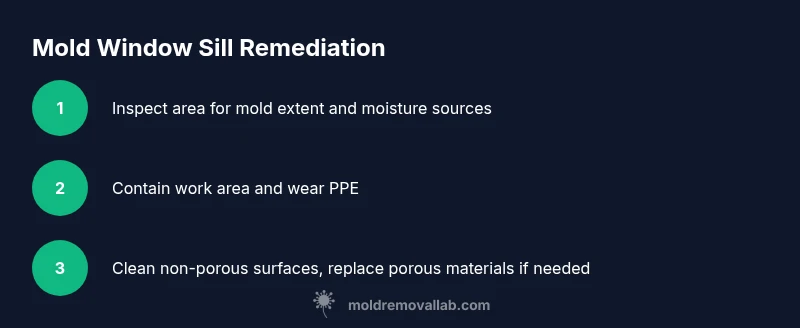
To safely address mold on a window sill, start by addressing moisture sources, wear PPE, then clean with a non-toxic solution and dry thoroughly. If the mold covers or penetrates porous materials, replace them. After cleaning, fix leaks, improve ventilation, and monitor for signs of new mold. This approach minimizes health risks and protects your home.
What mold on window sill is and why it forms
Mold on window sill often results from chronic condensation, leaking seals, or poor drainage around the window. When warm indoor air meets a cold surface, moisture condenses, creating a hospitable environment for mold spores. The most common molds found in homes — including on window sills — can trigger allergic reactions, asthma symptoms, and irritation for sensitive individuals. Recognizing mold on window sill early helps curb growth and stops it from spreading to adjacent framing or trim. According to Mold Removal Lab, the first step is identifying moisture sources and the extent of contamination so you can tailor a remediation plan that fits your space.
Health and safety should guide every action. If you or someone in the home has chronic lung issues or a weakened immune system, treat mold on window sill as a potential health risk and proceed with extra caution. This guide from Mold Removal Lab emphasizes using appropriate protective gear and controlling the work area to minimize dust and spores.
Common moisture culprits around windows
Condensation is the biggest culprit for mold on window sill in many homes. Temperature differences between indoors and outdoors create micro-droplets that linger on sills, frames, and caulk. Leaky or ill-sealed frames allow water intrusion during rain or snowmelt. Poor drainage around the sill or a lack of sill slope can cause standing water after cleaning. In some cases, high indoor humidity from cooking, showers, or houseplants also contributes. Understanding these sources helps you target fixes like sealing gaps, improving ventilation, and regrading the sill so water drains away from the interior.
PPE and safety steps when handling mold
Before you begin, put on gloves, a mask, and eye protection. Run a quick air check: ensure the room is ventilated but avoid cross-contaminating other rooms. Keep pets and children away from the work area. If you must use cleaning agents, follow label directions and never mix cleaners, especially bleach with ammonia. For mold on window sill, a non-toxic cleaner or household vinegar can be effective on non-porous surfaces; stronger agents may be needed for tougher spots. Proper PPE and workspace isolation reduce exposure and health risks.
Cleaning strategies for different materials
Non-porous window sills (e.g., painted wood, metal, PVC) can usually be cleaned with soap, water, and a mild cleaner, followed by thorough drying. Porous materials (e.g., unfinished wood, fabric window coverings) often absorb moisture and mold, making surface cleaning insufficient. In many cases, porous materials should be removed and replaced to prevent recurrence. If you must preserve a porous sill, use a biocide designed for wood and apply a sealant to impede future moisture intrusion. Always allow complete drying before re-sealing or replacing.
Moisture control: sealing, insulation, ventilation
The fastest path to preventing mold on window sill is to fix the moisture problem. Check and reseal caulk around the window, repair any leaks, and ensure the sill slopes slightly away from the interior. Improve ventilation with exhaust fans or dehumidifiers, especially in bathrooms and kitchens. Consider adding interior insulation to minimize condensation and use low-humidity settings during humid months. Regularly wipe condensation off the window and monitor for new damp patches.
Step-by-step remediation plan for window sills
Develop a remediation plan that combines cleanup with moisture control. Begin with containment (cover nearby surfaces), wear PPE, and remove any visibly contaminated materials if porous. Clean non-porous surfaces with soap and water or a non-toxic cleaner, then apply a mold-inhibiting sealant where appropriate. Dry thoroughly, then address the moisture source—seal cracks, improve drainage, and enhance ventilation. Reassess after 24–72 hours to ensure no new growth appears.
Choosing cleaners: bleach, hydrogen peroxide, vinegar
Bleach can be effective on non-porous surfaces when used correctly, but it is not a cure-all and can damage finishes. Hydrogen peroxide is a gentler option that also helps kill mold spores on many surfaces. White vinegar provides a natural cleaning approach for mild mold growth on non-porous surfaces. Always test a small area first and never mix cleaners. For stubborn mold or growth on wood or drywall, professional remediation may be necessary.
When to replace materials and how to prevent recurrence
If the window sill or its framing is visibly warped, rotted, or structurally compromised, replacement is usually the best option to prevent regrowth. Replacing damaged materials also eliminates any hidden mold colonies within pores. After replacement, finish with a moisture-resistant coating and ensure that sealing, flashing, and caulking are up to date. Implement ongoing maintenance: wipe down sills, monitor humidity levels, and routinely inspect windows for signs of moisture intrusion.
Long-term monitoring and maintenance
Regular checks help catch mold early. Keep humidity below 50–60% if possible, especially in bathrooms and kitchens. Schedule seasonal inspections for window seals, caulk, and flashing, and address any condensation promptly. Maintain good airflow around windows, particularly in rooms with high moisture. By combining moisture control with routine cleaning, you significantly reduce the chance of mold returning on window sills.
Tools & Materials
- Nitrile gloves(Protect skin from mold exposure)
- N95 respirator mask(Worn during cleaning to reduce inhalation risk)
- Safety goggles(Eye protection from splashes and spores)
- Microfiber cloths(For cleaning and drying surfaces)
- Scrub brush or sponge(Scrubs off visible mold from non-porous areas)
- Bucket of warm water(Mix cleaners and rinse tools)
- Mild dish soap(Gentle cleaner for initial wash)
- White vinegar (5–8%)(Natural cleaner with mild antimicrobial properties)
- Hydrogen peroxide 3%(Alternative mold killer for some surfaces)
- Bleach (sodium hypochlorite) 5%(Use sparingly on non-porous surfaces; follow safety guidelines)
- Plastic drop cloth or painter’s sheet(Contain work area and protect floors)
- Sealant or mold-inhibiting primer(Use after drying to slow future growth)
Steps
Estimated time: Estimated total time: 60-120 minutes (plus 24–72 hours drying and monitoring)
- 1
Inspect the area for extent
Survey the window frame, sill, and nearby walls to determine how far mold has spread. Note any warped or damaged material that may need replacement. This helps set the remediation scope and prevents surprises later.
Tip: Take photos before starting to document changes and assist if you need professional input. - 2
Protect yourself and seal off area
Put on PPE (gloves, mask, goggles). Use drop cloths to protect floors and a barrier to prevent spores from spreading to other rooms.
Tip: Work from the cleanest area outward to minimize tracking mold. - 3
Remove loose surface mold
Wipe non-porous surfaces with a soapy cloth, then a damp microfiber cloth to remove visible mold. Do not saturate the area; avoid pushing spores into pores.
Tip: Rinse and wring cloths frequently to maximize cleaning efficiency. - 4
Apply cleaner and let it sit
Apply white vinegar or a mild cleaner to prevent mold regrowth. Let sit for 10–15 minutes before scrubbing again.
Tip: Do not mix cleaners; keep venting to reduce fumes. - 5
Rinse and dry thoroughly
Wipe with clean water and dry the surface completely. Use fans or a dehumidifier to accelerate drying, especially in humid rooms.
Tip: Dampness invites rapid mold return; ensure 24–48 hours of drying time if possible. - 6
Address underlying moisture
Inspect caulk, flashing, and seals around the window. Repair leaks or re-seal to stop water intrusion.
Tip: Consider a moisture meter if you suspect hidden damp pockets. - 7
Replace damaged materials
If the sill or frame is warped, rotten, or deeply penetrated by mold, replace with moisture-resistant materials.
Tip: Label replacement parts and dispose of contaminated materials according to local guidelines. - 8
Prevent recurrence
Install venting, improve insulation, and monitor humidity. Recheck the area after 1–2 weeks for any signs of new growth.
Tip: Set a reminder to inspect windows seasonally.
FAQ
Why does mold frequently form on window sills?
Mold on window sills commonly stems from condensation, leaks, or poor sealing around windows. Repeated moisture creates ideal conditions for mold spores to grow on the sill and nearby materials.
Mold on window sills usually comes from condensation or leaks; fixing moisture sources is key.
Is mold on window sill dangerous to health?
Some people may experience allergic reactions or respiratory irritation from mold. Individuals with asthma or compromised immune systems should take mold growth seriously and limit exposure during cleanup.
Mold can irritate sensitive people; wear PPE and limit exposure during cleanup.
Can I clean mold with bleach on window sills?
Bleach can be effective on non-porous surfaces but may not reach mold within porous materials. Never mix with other cleaners. For porous wood, consider replacing the material after cleaning.
Bleach may work on non-porous areas; for porous materials, replacement is often better.
How can I prevent mold from returning after cleaning?
Control moisture by sealing gaps, improving ventilation, and reducing indoor humidity. Regularly wipe condensation and inspect seals to prevent recurring growth.
Keep humidity low, seal the window, and check for leaks to prevent mold coming back.
When should I replace window sill materials?
Replace materials that are warped, rotted, or deeply penetrated by mold. This reduces hidden growth and restores structural integrity.
If the sill is damaged or deeply mold-infested, replacement is best.
Do I need a professional for mold on window sill?
For extensive growth, structural damage, or if mold recurs despite cleaning, a Mold Removal Lab recommended professional remediation is advised.
If mold returns or covers large areas, consider a pro.
Watch Video
The Essentials
- Identify moisture sources before cleaning
- Use proper PPE and ventilate the area
- Clean non-porous surfaces first, replace porous materials if needed
- Address leaks and improve ventilation to prevent recurrence
- Monitor the window area regularly after remediation