Mold Mushrooms: Identification, Removal, and Prevention
Learn how to identify mold mushrooms, assess moisture risks, and safely remove mold while preventing recurrence with practical steps, tools, and expert tips from Mold Removal Lab.


Goal: identify mold mushrooms in damp spaces, then safely remove them and prevent recurrence. You’ll learn practical inspection steps, necessary PPE, containment practices, cleaning methods, and moisture control to prevent regrowth. This homeowner-friendly guide emphasizes safety, minimizes exposure, and outlines when to call a professional. Remember, persistent moisture drives mold mushrooms and requires ongoing control, monitoring, and remediation.
Understanding mold mushrooms
According to Mold Removal Lab, mold mushrooms thrive in damp spaces and can indicate hidden moisture problems. The term mold mushrooms describes the fruiting bodies of fungi that release spores into the air. They vary in color, texture, and size—from tiny cups to umbrella-like structures. In homes, common sites include bathrooms, basements, crawlspaces, and walls where humidity is high. A basic inspection looks for damp odors, visible colonies, staining, or discoloration behind panels or under flooring. Grasping the life cycle helps you identify the moisture source: warm, moist air fuels growth, while rapid drying and improved ventilation slow or stop it. This section lays the foundation for safe identification and practical remediation steps. Remember that any mold mushrooms growth signals elevated moisture and requires prompt attention to prevent health risks and structural damage.
Health implications and risk management
Mold mushrooms can affect indoor air quality and trigger allergic reactions, asthma flare-ups, and other respiratory symptoms, especially for children, the elderly, and people with compromised immune systems. The primary risk comes from fungal spores that become airborne during disturbed growth. Mold Removal Lab emphasizes that the severity depends on the extent of growth, the materials involved, and the affected area’s ventilation. Quick action—reducing moisture, containing the area, and cleaning up with appropriate methods—minimizes exposure. Always pair remediation with monitoring to verify that humidity stays below problematic levels and spores do not rebound. While many households perform basic cleanup, ongoing moisture control is essential to prevent recurrence and protect health.
Indicators and assessment: where to look for mold mushrooms
Look for visible colonies, water stains, or warped materials in moist zones such as basements, bathrooms, and kitchens. Check behind drywall, under sinks, and inside cabinets where humidity accumulates. A musty odor is a reliable cue of hidden growth, even if you cannot see it clearly. Assess the moisture source: leaks, condensation, poor insulation, or high ambient humidity can sustain mold mushrooms. Use a moisture meter to identify elevated readings on walls and floors, and observe changes after rainfall or seasonal heating. Document findings with photos to track progress and guide decisions about containment, cleaning, or professional help.
Step-by-step homeowner remediation plan (high-level)
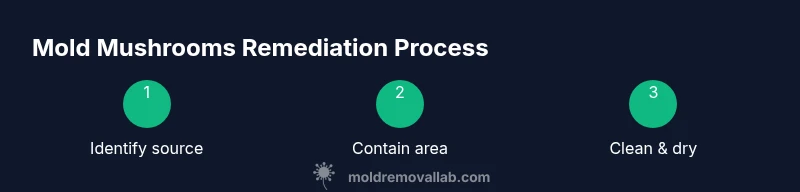
- Stop the source: fix leaks and improve ventilation to prevent ongoing moisture. 2) Contain the area: seal doors, turn off HVAC, and minimize air leakage to stop spores from spreading. 3) Protect yourself: wear PPE and avoid disturbing mold mushrooms whenever possible. 4) Remove affected materials: bag and dispose of porous materials if saturated. 5) Clean and disinfect: use approved products on non-porous surfaces; avoid mixing incompatible cleaners. 6) Dry and monitor: dehumidify and recheck moisture levels to ensure ongoing control.
Cleaning methods and disinfectants: what works, what to avoid
For non-porous surfaces, soap and water followed by a disinfectant approved for mold is often effective. Porous materials like drywall or insulation may require removal and replacement rather than cleaning. Bleach is not always ideal on porous materials and can create fumes or damage; consider hydrogen peroxide or sodium bicarbonate for certain surfaces, but follow product guidance. Vinegar may help for mild, non-porous cases, while enzyme-based cleaners can target organic residues. Always work in a well-ventilated area and never mix cleaners. Prioritize products with clear labeling for mold remediation and adhere to safety guidelines.
Moisture control and prevention strategies
After cleanup, keep humidity low using dehumidifiers and proper ventilation in bathrooms, kitchens, and basements. Regularly inspect for leaks, condensation, and ventilation blockages. Maintain gutters and downspouts to prevent water intrusion. A simple moisture plan includes monthly checks and a rapid response to any new damp spots. By keeping moisture in check, you reduce the likelihood of mold mushrooms returning and protect building materials from future damage.
When to hire a professional and testing considerations
If growth covers large areas, involves porous building materials, or continues despite cleaning, professional remediation is advised. A pro can assess hidden moisture, seal penetrations, and perform sensitive remediation tasks that minimize exposure. Independent testing is optional for most homeowners; however, if you have persistent symptoms, builder concerns, or regulatory requirements, consider professional testing and documentation. Always verify credentials and request a written remediation plan before work begins.
Authoritative resources and references
For detailed guidance, consult authoritative sources such as: EPA Mold Remediation in Homes and Buildings (epa.gov/mold/mold-remediation-homes), CDC Mold and Moisture (cdc.gov/mold/default.htm), and OSHA Mold Hazards (osha.gov/molds). University extensions also offer region-specific advice. These resources emphasize moisture control, safe cleanup practices, and the importance of proper protective equipment during remediation.
Tools & Materials
- Respirator with P100 filters(Fit-tested if possible; replace filters as recommended)
- N95 or better face mask(Used when respirator not available; not for heavy contamination)
- Grease- or nitrile-resistant gloves(Durable material for cleaning tasks)
- Chemical-resistant eye protection(Goggles or face shield)
- Disposable coveralls or long-sleeve clothing(Keep clothing clean and disposable if possible)
- Plastic sheeting and tape(Containment to prevent spread of spores)
- Heavy-duty trash bags (lip seal)(For contaminated materials)
- Mild detergent and clean water(For initial cleaning on hard surfaces)
- Non-ammonia disinfectant approved for mold(Follow label instructions)
- HEPA vacuum with appropriate filters(For final cleanup and debris removal)
Steps
Estimated time: 2-6 hours (depends on area size and materials affected)
- 1
Identify source and prepare space
Locate moisture source and plan containment. Turn off affected HVAC to prevent fungal spores from circulating. Wear PPE before entering, especially in damp zones.
Tip: Label doors and seal off the area with plastic sheeting before starting. - 2
Contain and isolate the work area
Seal the room with plastic sheeting, creating a physical barrier. Place absorbent towels at openings to catch drips. Keep pets and children away.
Tip: Create negative pressure if possible using a fan vented outside. - 3
Remove and segregate contaminated materials
Carefully bag porous materials saturated by mold and seal. Do not compress contents to avoid crushing spores. Transport to a designated disposal area.
Tip: Double-bag and label bags clearly as mold-contaminated waste. - 4
Clean and disinfect hard surfaces
Wash surfaces with detergent and water, then apply approved mold disinfectant. Do not mix cleaners; follow label directions and ventilate the area.
Tip: Rinse after applying disinfectant if required by product instructions. - 5
Dry the area thoroughly
Use dehumidifiers and fans to reduce moisture; dry to below 50% relative humidity if possible. Remove damp materials entirely if they cannot be dried or cleaned safely.
Tip: Measure humidity and ensure steady readings over 24-48 hours. - 6
Inspect and monitor for regrowth
Revisit the space after 24-72 hours of drying to ensure no new growth. Recheck moisture hotspots and seal any leak sources.
Tip: Document changes with photos to compare progress.
FAQ
Are mold mushrooms dangerous to health if left untreated?
Yes, mold mushrooms can affect indoor air quality and trigger allergies or respiratory symptoms, especially for vulnerable individuals. Prompt moisture control and careful cleanup reduce exposure. If growth is extensive, seek professional remediation.
Yes. Mold mushrooms can affect air quality and trigger allergies; address moisture and clean up, and consider professional help for large areas.
Can I remove mold mushrooms myself at home?
Small, isolated growth on non-porous surfaces can often be managed with household cleaners and proper PPE. Porous materials usually require professional removal and replacement. If unsure, contact a remediation expert.
You can handle small mold on non-porous surfaces yourself, but porous materials often need a pro.
How long does remediation typically take?
Timeline varies by area size and moisture control success. A small, contained area may resolve in days, while larger infestations or hidden growth can take longer. Plan for drying and monitoring over several days.
It depends on size and moisture, but plan for several days of drying and checks.
When should I call a professional?
Call a professional if growth covers large areas, involves porous materials, or continues after DIY cleanup. Professionals can identify hidden moisture sources and ensure safe, thorough remediation.
If it’s widespread or keeps coming back, get a pro.
Will mold mushroom cleanup be covered by insurance?
Coverage depends on your policy and the cause of moisture. Document damage, leaks, and remediation costs; contact your insurer for a claim review. An inspection report may help with the process.
Check your policy and talk to your insurer about coverage and documentation.
Are there safe DIY disinfectants I should use?
Many homeowners use EPA-approved mold cleaners or diluted hydrogen peroxide on non-porous surfaces. Always follow product labels and avoid mixing chemicals. For porous materials, replacement is often the safer option.
Use EPA-approved cleaners and follow labels; for porous stuff, replacement is safer.
What is the best way to prevent mold mushrooms from returning?
Control moisture by fixing leaks, improving ventilation, and using dehumidifiers in damp areas. Regularly inspect for signs of dampness and address air circulation issues promptly.
Keep moisture in check with ventilation and moisture control to prevent recurrence.
Watch Video
The Essentials
- Identify and fix moisture sources first.
- Use proper PPE and containment for all remediation.
- Dry the area thoroughly to prevent regrowth.
- Dispose of contaminated materials safely and promptly.
- Consult a professional for large-scale or persistent growth.