Mold Leaf Remediation: A Practical How-To for Homeowners
Learn a practical, step-by-step approach to identify, contain, and safely remove mold leaf growth in homes, plus prevention tips to keep moisture under control and indoor air healthy.


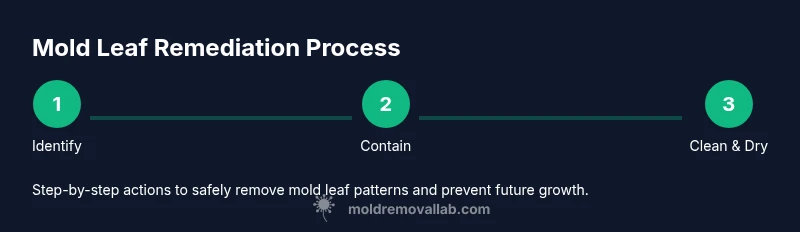
In this guide you will learn how to identify mold leaf growth, safely contain it, perform non-structural remediation, and prevent recurrence. You’ll find a clear plan, essential safety steps, and practical prevention tips you can implement this weekend. According to Mold Removal Lab, addressing leaf-like mold growth quickly reduces moisture-related risks and protects indoor air quality.
What is a mold leaf and why it matters
A mold leaf is a descriptive term used to describe mold growth that forms leaf-like patterns or veins on surfaces such as walls, wood, or fabric. It’s not an actual plant, but the pattern can signal ongoing moisture problems that encourage fungal mats. Recognizing a mold leaf early helps you intervene before the colony spreads, which can protect family health and minimize property damage. The Mold Removal Lab team emphasizes that the presence of any leaf-shaped growth should prompt moisture assessment and a remediation plan, especially in areas prone to humidity or leaks.
How mold leaf forms in homes: common scenarios
Mold leaf growth often develops where moisture lingers. Common scenarios include bathroom exhaust not venting properly, leaking roofs or pipes, condensation on windows in cold weather, and poorly ventilated basements. When moisture is present, mold spores settle and begin to grow along surfaces, creating the characteristic leaf-like patterns. Identifying these patterns in kitchens, laundry rooms, or crawl spaces is a reliable signal that you should inspect for leaks, humidity creep, and inadequate air exchange. Mold Removal Lab notes that consistent moisture control is the most important preventive measure.
Health, safety, and indoor air quality impacts
Mold leaf growth can affect indoor air quality and trigger allergic reactions, coughing, nasal congestion, and eye irritation, especially for children, the elderly, or those with asthma or compromised immune systems. The health risk depends on the mold species and the extent of growth. Always treat suspected mold growth seriously and minimize disturbance during initial containment. Wearing protective gear, maintaining good ventilation, and limiting occupancy in the affected area are prudent early steps as you plan remediation.
Visible signs and testing: spotting mold leaf
Beyond the leaf-like shapes, look for discolored patches, fuzzy or powdery textures, and a musty odor. Dark green, black, or gray hues can appear in leaf-like networks as the colony expands. For testing, surface swabs and moisture meters can help identify damp zones, but definitive confirmation may require professional lab analysis. Start with a careful inspection of near-leak areas, then track moisture sources over 24–48 hours to confirm persistent dampness. Remember that handling mold on porous materials often necessitates professional evaluation.
Materials, safety gear, and initial containment
Before you begin remediation, assemble PPE such as nitrile gloves, a properly fitted respirator, and eye protection. Use plastic sheeting to seal off the room and reduce dust spread, and prepare clean, disposable wipes or rags for contaminated cleanup. Containment minimizes cross-contamination, particularly if mold leaves extend to adjacent rooms. If the area is not easily isolated, pause and seek professional guidance before proceeding.
Cleaning and remediation approach: non-structural surfaces
For non-porous or semi-porous surfaces (like tile, glass, or sealed metals), wipe away visible mold with a detergent solution, then apply an EPA-recommended cleaner. Avoid wetting porous materials such as drywall, ceiling tiles, or untreated wood; these can harbor hidden colonies. After cleaning, use a dry cloth to remove any remaining moisture and run a HEPA-equipped vacuum to capture residual spores. Proper ventilation during cleanup reduces inhalation risk and speeds drying.
When to escalate: structural materials and persistent growth
If mold leaf growth covers a large area, involves structural materials, or recurs after cleaning, escalate to a professional remediation service. Structural materials (drywall, framing, insulation) require specialized removal and may require moisture control technologies and proper disposal. Do not attempt aggressive demolition or extensive tearing without professional guidance, as improper handling can release spores and worsen health risks.
Prevention strategies to reduce recurrence: moisture control, ventilation, and plant care
Maintain indoor humidity levels generally below 50% and fix leaks promptly to minimize mold leaf formation. Improve ventilation in moisture-prone spaces and consider a dehumidifier in basements or closets with poor airflow. Regularly inspect areas around windows, pipes, and roofs for condensation and water intrusion. For households with indoor plants, ensure plant soil drains well and avoid overwatering, as damp soil can foster leaf-like mold growth on foliage and pots.
Tools & Materials
- Protective gloves (nitrile)(6 mil or thicker, chemical resistant)
- N95 respirator or better(Fit-tested if possible)
- Protective eyewear(Goggles or face shield)
- Disposable coveralls(One-piece or hooded)
- Plastic sheeting and tape(To seal off the area)
- Spray bottle with water(Misting helps control dust)
- Mold cleaner (commercial) or mild detergent(Follow label directions)
- Soft-bristle brush or sponge(For gentle scrubbing)
- HEPA vacuum(For cleanup and containment)
- Disposable rags/paper towels(For wipe-down and disposal)
- Moisture meter or hygrometer(Useful for tracking drying)
- Garbage bags (heavy-duty)(Seal and label contaminated materials)
Steps
Estimated time: 4-6 hours
- 1
Identify and assess the scope
Walk the area and note all mold leaf patterns, moisture sources, and damaged materials. Take photos to track changes and to show outcomes to a remediation professional if needed. This helps you plan containment and cleanup without spreading spores.
Tip: Photograph corners, joints, and hidden spots behind furniture for a complete record. - 2
Contain the affected area
Close doors to the room and cover adjoining openings with plastic sheeting. Use tape to seal edges and create a negative pressure, if possible, to limit spore travel during cleanup. This reduces cross-contamination to your living spaces.
Tip: Ensure exhaust fans run away from the clean area to prevent recirculation. - 3
Protect yourself and others
Put on gloves, eye protection, and a respirator. Avoid disturbing mold by brushing surfaces aggressively. Clear the area of occupants, especially children and people with allergies or asthma, until cleanup and drying are complete.
Tip: Do not eat, drink, or smoke in the work zone. - 4
Remove or isolate mold-affected materials
If porous materials (like drywall or insulation) are heavily infested, consider removal by a professional. For non-porous surfaces, gently scrub with the detergent solution, then rinse with clean water. Place debris in sealed bags for disposal.
Tip: Label bags clearly and place them in an outdoor trash bin after sealing. - 5
Clean and disinfect non-porous surfaces
Apply an EPA-approved cleaner to hard surfaces, scrub, and wipe dry. Avoid mixing cleaners or adding bleach to porous materials. After cleaning, vacuum with a HEPA unit to capture remaining spores.
Tip: Allow treated areas to dry completely before removing containment. - 6
Dry thoroughly and monitor moisture
Use fans and dehumidifiers to accelerate drying. Check moisture levels with a hygrometer and recheck areas after 24–48 hours. Avoid sealing in residual moisture that could encourage regrowth.
Tip: Keep the space well-ventilated during the drying period. - 7
Address underlying moisture problems
Repair leaks, insulate cold surfaces, and improve ventilation to prevent future growth. Ensure roofing, plumbing, and gutters are functioning properly. Consider upgrading ventilation fans in bathrooms and kitchens.
Tip: Treat humidity sources as the root cause, not just the symptom. - 8
Document results and plan follow-up
Take after-action photos and measure humidity to confirm a safe level. Schedule a follow-up inspection if growth reappears or if you notice persistent moisture. Keep records for future reference or insurance claims.
Tip: A maintenance calendar helps maintain ongoing control.
FAQ
What is a mold leaf and why should I treat it seriously?
A mold leaf describes leaf-like growth patterns from mold that indicate moisture issues. Treating it promptly helps protect health and property. If the growth is extensive, seek professional remediation.
A mold leaf is a mold pattern that looks like a leaf and signals moisture problems. Treat it promptly or call a pro for large or ongoing growth.
Can I remove mold leaf myself?
Small, contained areas on non-porous surfaces are often manageable with PPE and proper cleaners. For porous materials or larger areas, professional remediation is recommended to avoid releasing spores.
You can handle small, non-porous areas with PPE, but for porous materials or big areas, consider a professional.
What keeps mold leaf from returning after cleanup?
Contain moisture by fixing leaks, improving ventilation, and reducing indoor humidity. Regularly monitor humidity and address damp spots promptly to prevent recurrence.
Fix leaks, improve airflow, and keep humidity low. Check damp spots regularly to stop mold from coming back.
Should I use bleach to kill mold leaf on wood?
Bleach is not effective on porous materials like wood. Use appropriate cleaners and ensure complete drying; for stubborn or widespread growth, seek professional help.
Bleach isn’t great for wood. Use safe cleaners and dry it out, or get a pro for tough cases.
When is professional remediation necessary?
Call a professional when mold covers a large area, involves structural materials, or keeps returning after cleaning. A pro can safely remove growth and address moisture sources.
If it’s large, structural, or persistent, call a mold remediation professional.
Watch Video
The Essentials
- Identify mold leaf growth early and document it.
- Contain the area to prevent spread during cleanup.
- Use PPE and appropriate cleaners; avoid porous surface damage.
- Dry thoroughly and fix moisture sources to prevent recurrence.
- Escalate to professionals for large or persistent outbreaks.