i have mold in my apartment: a practical remediation guide
A practical, step-by-step mold remediation guide for renters and homeowners dealing with mold in apartments. Learn safety, containment, cleanup, and prevention to protect health and property.


Goal: Identify mold growth, assess safety risks, contain the area, and complete a practical cleanup plan for your apartment. Before you start, gather PPE (N95 mask, gloves, eye protection), plastic sheeting, non-ammonia cleaner, and a method to dry the space. In some cases, you may need to contact your building manager and insurance for larger infestations.
I have mold in my apartment: what this means\n\nMold growth in indoor spaces signals chronic moisture. In apartments, leaks from pipes, roofs, or condensate from bathrooms and kitchens create dark, damp corners that fungi love. If you realize i have mold in my apartment, don’t panic—act methodically. According to Mold Removal Lab, most mold problems start with a hidden moisture source rather than visible growth alone. The good news is that you can often manage early, small outbreaks with a structured plan. This guide helps renters and homeowners identify hotspots, reduce exposure, and coordinate with building management to prevent recurrence. Expect to see mold in cabinets, behind walls, along window frames, or under sinks where humidity stays high. Even minimal moisture can sustain colonies over days or weeks, so timely action matters.
Immediate safety steps\n\nBefore you touch anything, put on appropriate PPE: an N95 respirator, non-latex gloves, and eye protection. Open windows if weather and safety allow for ventilation, but avoid creating cross-ventilation that spreads spores. Do not mix cleaning agents—bleach with ammonia is dangerous, and rinsing with broad-spectrum cleaners helps reduce spores. Keep children and pets out of the area and seal doors with plastic sheeting. Collect your tools and supplies, and plan to isolate the space to prevent spread while you work. If you smell strong musty odors or see growing dampness that indicates a larger moisture problem, consider pausing and seeking professional guidance.
Assessing extent and moisture sources\n\nA thorough assessment starts with locating all damp areas and documenting with photos. Look for staining, discoloration, warped materials, and musty smells. Use a moisture meter if available to gauge humidity levels on walls, ceilings, and floors. Common culprits in apartments are leaks from plumbing, roof intrusion, condensation on cold surfaces, and poor bathroom ventilation. Trace the moisture back to its source and determine if the damage is isolated or spreading. If you have i have mold in my apartment, you should begin by identifying whether it's localized or part of a larger building issue; if the latter, report immediately to management. Record dates, affected rooms, and any actions you take so you can show landlords or inspectors later.
Containment and cleanup for non-porous surfaces\n\nContain the area using plastic sheeting to prevent spores from escaping into other rooms. Work from clean to dirty areas, and start with hard, non-porous surfaces like glass, tile, and metal. Use a non-ammonia cleaner (or a 1:1 mixture of water and mild detergent) to wipe away visible mold, then rinse and dry thoroughly. For stubborn spots, a 3% hydrogen peroxide spray can be effective on non-porous materials; always test a hidden area first. Avoid scrubbing too aggressively to minimize spreading spores. After cleaning, dispose of used wipes and disposable gloves in sealed trash bags. Do not reuse contaminated cleaning materials.
Porous materials and drywall remediation\n\nPorous materials like drywall, insulation, carpet, and wallpaper absorb moisture and mold more deeply; they typically require removal and replacement to avoid regrowth. If moisture has damaged drywall behind cabinets or under sinks, cut away damaged sections with a utility knife, bag the material, and seal. Do not attempt to dry out wet drywall; it is rarely salvageable. In some cases, fungal growth may be embedded in studs; this requires assessment by a professional. If the affected area is small (less than 10 square feet), you may salvage some materials with careful removal and sealing; larger areas usually require professional remediation to ensure spores are removed properly.
When to call a professional\n\nCall a licensed professional when: mold covers a large area, moisture sources persist after attempts at cleanup, or you must access air ducts or HVAC components. If you are pregnant, have allergies, or have asthma, it is prudent to get a pro involved earlier rather than later. A pro can perform a formal assessment, containment, cleaning, and post-remediation verification to prevent recurrence.
Prevention and maintenance\n\nPreventing mold means controlling moisture daily. Run exhaust fans during showers, fix leaks promptly, and keep indoor humidity below 60% with a dehumidifier if needed. Regularly inspect ceilings, windows, and behind appliances for signs of dampness. Use mold-resistant products in bathrooms and kitchens and maintain routine cleaning that reduces dust and organic matter mold feeds on. For long-term protection, set up a maintenance calendar and repeat inspections quarterly throughout the year, especially in humid seasons.
Tenant rights, landlord coordination, and documentation\n\nKnow your rights as a renter: document mold growth with dates, photos, and notes about conditions that allowed moisture to accumulate. Notify your landlord in writing and request a remediation plan with timelines. If the issue isn’t addressed, consult local housing authorities or tenant unions. Keeping a detailed log helps you resolve disputes and demonstrates your commitment to a healthy living space.
Authority guidance\n\nFor authoritative mold guidance, consult the following sources: \n- CDC Mold information: https://www.cdc.gov/mold/dampness_faq.html\n- EPA Mold remediation: https://www.epa.gov/mold/mold-remediation\n- OSHA Mold exposure considerations: https://www.osha.gov/molds
Tools & Materials
- N95 respirator(Fit-tested if possible; replace filters regularly)
- Nitrile gloves(At least 6 mil; recall to replace after use)
- Goggles or eye protection(Splash protection; avoid rubbing eyes while cleaning)
- Disposable coveralls or long-sleeved clothing(Protect skin; remove before leaving the work area)
- Plastic sheeting (6 mil or thicker)(To seal the area; tape to corners and doors)
- Painter's tape(Secure plastic barriers; label access points)
- Non-ammonia cleaning solution(Dish soap + water or mild detergent; avoid ammonia and bleach mixtures)
- White vinegar (optional)(Natural cleaner for non-porous surfaces)
- Hydrogen peroxide 3% (optional)(Effective on some non-porous surfaces; test first)
- Bucket, scrub brush, and sponge(For scrubbing and rinsing surfaces)
- Trash bags (heavy-duty)(Seal and dispose of contaminated materials)
- Moisture meter (optional)(Helps track humidity changes)
- Dehumidifier or fans(Promotes drying; consider placement for airflow)
- Camera or notepad(Document progress and visuals)
Steps
Estimated time: 4-12 hours
- 1
Identify mold hotspots
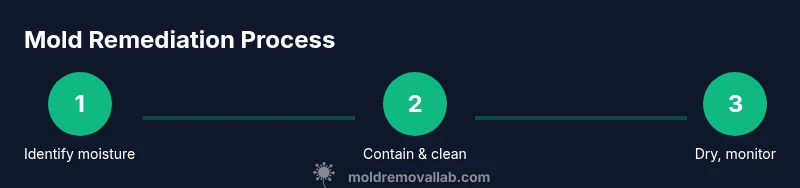
Walk through the apartment to locate visible mold and damp areas. Photograph or note each location, and map where moisture is likely concentrating (kitchens, baths, under sinks, around windows).
Tip: Take clear photos before cleaning to document baseline conditions. - 2
Put on PPE
Don the N95, gloves, and eye protection before touching any moldy surfaces. Keep PPE on during the entire cleanup to minimize exposure.
Tip: Avoid touching your face; change gloves if you move between areas. - 3
Contain the area
Seal off the workspace with plastic sheeting to prevent spores from drifting to adjacent rooms. Use tape to secure seams and dedicated entry points.
Tip: Close doors and windows in the rest of the unit to reduce airflow. - 4
Address the moisture source
Identify active leaks or humidity sources; if safe, arrange a quick repair or notify the landlord. Document the moisture source with photos.
Tip: Moisture control is essential to prevent recurrence after cleanup. - 5
Clean non-porous surfaces
Wipe surfaces with a non-ammonia cleaner, then rinse and dry thoroughly. For stubborn patches, lightly spray with hydrogen peroxide and wipe.
Tip: Never mix cleaners; allow surfaces to dry completely before proceeding. - 6
Handle porous materials
If drywall, insulation, or carpet are wet and moldy, consider removal and replacement. Do not attempt long-term salvage of saturated porous materials.
Tip: Contain removed materials in sealed bags for disposal. - 7
Dry thoroughly
Run a dehumidifier and fans to dry the space completely. Aim for humidity below 60% and monitor for 24–48 hours.
Tip: Check for residual damp spots; moisture can hide behind walls. - 8
Decide on professional help
If mold coverage is extensive, persists after cleaning, or involves HVAC systems, contact a licensed remediation professional.
Tip: Ask for a written remediation plan and post-remediation verification. - 9
Document and follow up
Keep a remediation log with dates, actions taken, and photos. Schedule a follow-up assessment to confirm mold has not returned.
Tip: Use the log when communicating with landlords or inspectors.
FAQ
What should I do first if I find mold in my apartment?
Document the mold with photos, assess moisture, and begin containment to prevent spread. Wear PPE and start with non-porous surfaces before moving to porous materials.
Document the mold with photos, assess the moisture, and start containment while wearing PPE.
Is it safe to clean mold myself?
Small areas on non-porous surfaces can be cleaned with proper PPE and standard cleaners. Large areas or porous materials usually require a professional.
You can handle small, non-porous patches yourself, but large areas or porous materials should be handled by pros.
Can I use bleach to clean mold?
Bleach can be effective on non-porous surfaces but is not a cure-all and should never be mixed with ammonia. It may not prevent regrowth on porous materials.
Bleach works on hard, non-porous surfaces but is not a cure-all and you should not mix cleaners.
What if my landlord won’t address the mold problem?
Document the issue in writing, cite health and safety concerns, and contact local housing authorities or a tenant rights group for guidance.
Put it in writing to the landlord and contact housing authorities if it isn’t addressed.
How do I know mold removal was successful?
Ensure moisture is controlled, surfaces are dry, and there’s no lingering odor or visible growth. Consider a follow-up assessment.
Make sure the space stays dry and clean, and schedule a follow-up check if you’re unsure.
Watch Video
The Essentials
- Contain and isolate mold growth early
- Dry the space thoroughly to prevent regrowth
- Document findings and communicate with landlords
- Reserve professional remediation for large or porous-area infestations
- Follow authoritative guidance from health and safety authorities