How to Mold on Wood: Practical Guide for Homeowners
Learn safe, practical steps to address mold on wood, prevent regrowth, and protect your home with Mold Removal Lab's expert guidance.


By the end of this guide, you will know how to safely address mold on wood: identify and fix the moisture source, contain the area, remove and dispose of affected wood, clean remaining surfaces with proven fungicides, dry thoroughly, and seal with appropriate finishes. We provide step‑by‑step actions, safety precautions, and practical product ranges. Follow local guidelines and Mold Removal Lab recommendations for best results.
What mold on wood is and why it matters
Mold on wood is a common indoor mold issue that thrives where moisture is present. Wood is porous, so mold spores can embed in fibers and feed on moisture from leaks, condensation, or high humidity. Left unchecked, mold not only damages visible surfaces but can degrade structural integrity and trigger allergic reactions in residents. If you’re asking how to mold on wood, this guide will show you how to approach the problem safely, with practical steps and safeguards. According to Mold Removal Lab, addressing the underlying moisture problem is the foundation of any remediation plan, and safe, deliberate steps protect both your home and health. This topic matters in basements, crawl spaces, kitchens, and bathrooms where wood components are common.
Causes and risk factors for mold on wood
Mold activity on wood typically arises from sustained moisture. Common culprits include roof leaks, plumbing failures behind walls, damp crawl spaces, and poor ventilation in rooms with significant humidity such as bathrooms or laundry areas. Porous woods like softwoods absorb moisture quickly, while finished or sealed wood may hide hidden growth beneath coatings. If you notice a musty odor, staining, or visible colonies, it’s a sign to pause normal use of the space and begin a targeted remediation plan. Mold growth on wood is not just a cosmetic issue—prolonged exposure can affect indoor air quality and the integrity of wooden structures.
Brand insight: why a structured approach matters
Our team at Mold Removal Lab emphasizes a structured approach to make how to mold on wood safe and effective. Beginning with moisture control reduces recurrence, while containment prevents cross-contamination. This is especially important in homes with children, elderly residents, or people with mold sensitivities. Our guidance aligns with Mold Removal Lab Analysis, 2026, which highlights the pivotal role of humidity management in long‑term success.
Safety first: PPE and containment
Before you touch any wood, prepare proper PPE: an N95 or P100 respirator, chemical resistant gloves, splash-proof goggles, and a protective suit or disposable coveralls. Contain the workspace with plastic sheeting to prevent dust and spores from migrating to other areas. Turn off or reduce HVAC airflow to minimize spread, and seal doors with taped plastic to create a controlled zone. These safety steps are essential for safe handling of mold on wood.
Step-by-step action plan overview
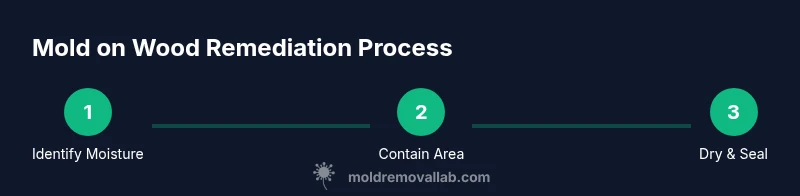
This section provides a high-level plan you can customize to your space. Start by identifying the moisture source and fixing leaks, then isolate the affected area. Remove any severely damaged wood, clean residual surfaces with appropriate cleaners, dry thoroughly, and apply a protective finish or sealant after the area is fully dry. Finally, implement ongoing moisture control to prevent a recurrence. Each action reduces exposure and helps restore a healthier environment.
Cleaning methods for different wood types
Different wood types respond to cleaning differently. Bare, unfinished wood is more absorbent and can trap mold spores more deeply, requiring careful cleaning and longer drying times. Finished or sealed wood offers a barrier but may mask underlying growth; in these cases, you’ll often need to lift or sand coatings to properly treat the wood beneath. Use non-bleach cleaners designed for mold and follow the product directions to protect wood fibers while removing mold colonies.
Drying, sealing, and preventing future mold growth
Drying is critical. Use dehumidifiers, fans, and good ventilation to bring ambient humidity down below 60% as quickly as possible. Once dry, apply a mold‑resistant sealant or finish appropriate for the wood type and exposure level. Establish moisture controls: fix leaks, improve ventilation, and consider a moisture barrier for crawl spaces. Regular checks after rain or plumbing work help catch problems early before mold can reestablish itself.
When to call a professional and what to expect
If the mold covers more than a small area, involves porous materials, or you suspect hidden growth behind walls, professional remediation is advised. A licensed pro will perform a containment and removal plan, test for residual spores, and recommend air filtration and moisture control strategies. Early professional consultation can prevent secondary damage and ensure safety for all occupants.
Practical product ranges for DIY remediation
For do-it-yourself remediation, choose non‑bleach wood cleaners suitable for mold, a water‑friendly biocide per label directions, and a mold‑resistant finish for longevity. Use a moisture meter to track dryness and a dehumidifier with adjustable humidity setpoints. Remember that not all products are appropriate for all wood types or finishes, so read labels carefully and follow safety instructions.
Tools & Materials
- N95 or P100 respirator(NIOSH-approved, fit-tested)
- chemical-resistant gloves(Nitrile or neoprene)
- safety goggles(Side shields recommended)
- protective coveralls(Disposable preferred)
- plastic sheeting (6 mil or thicker)(To create containment barrier)
- tape (painter’s or duct tape)(Seal containment seams)
- mold cleaner (non-bleach)(Follow label for surface type)
- biocide/ fungicidal cleaner(For surface treatment after cleaning)
- scrub brush or non-abrasive scrub pad(Gently lift mold from wood fibers)
- detergent or soap(For initial cleaning with water)
- dehumidifier(Keeps relative humidity low during drying)
- fans or air movers(Improve air circulation)
- moisture meter(Validate dryness level)
- garbage bags(Disposable bags for waste and debris)
- replacement wood or patch kit(For structural repair if needed)
Steps
Estimated time: 4-8 hours active work; drying time 24-72 hours depending on space and wood type
- 1
Prepare safety gear and containment
Put on PPE, seal the work area with plastic, and isolate from the rest of the home. This minimizes mold exposure and prevents cross-contamination. Ensure all residents and pets are out of the workspace before starting.
Tip: Double-bag any contaminated debris and remove waste from the site promptly. - 2
Identify moisture source and stop leaks
Inspect for active leaks behind walls, under sinks, or around windows. Repair the moisture source before proceeding with mold removal, or the problem will recur after cleaning.
Tip: Use a moisture meter to confirm that the area is drying as you work. - 3
Remove severely mold-damaged wood
Carefully detach and discard wood that shows deep rot or extensive staining. Avoid breaking intact structural members unless necessary for safety.
Tip: Contain debris in sealed bags to prevent spores from spreading. - 4
Clean remaining wood surfaces
Wipe with a non-bleach cleaner, then scrub gently to lift residual mold. Rinse and allow to dry partially before applying biocide as directed.
Tip: Always follow product labels for contact time and dilution. - 5
Dry the space thoroughly
Run dehumidifiers and fans to reduce humidity below 60%. If time allows, extend drying to 24–72 hours for porous wood.
Tip: Monitor humidity with a meter and adjust airflow to avoid damp pockets. - 6
Seal and finish the wood
Apply a mold-resistant finish suitable for the wood type and environment. Refinish or seal any new wood to prevent future moisture uptake.
Tip: Choose finishes designed for humidity-prone areas (bathrooms, basements). - 7
Prevent recurrence with moisture control
Install vapor barriers where needed, improve ventilation, and schedule routine checks after weather events. Keep indoor humidity consistently low to deter mold growth.
Tip: Set reminders to inspect crawl spaces and attics seasonally.
FAQ
Is it safe to remove mold on wood myself, or should I hire a pro?
Small, contained mold patches can be addressed safely with proper PPE and containment. For larger areas, hidden growth, or structural wood, consider hiring a licensed professional to ensure complete removal and minimize health risks.
You can handle small spots safely with PPE, but large or hidden growth should be left to a pro.
Should I use bleach to kill mold on wood?
Bleach is not recommended for porous wood because it doesn’t reach mold embedded in fibers. Use EPA-registered mold cleaners designed for wood and follow the product instructions.
Bleach isn’t ideal for wood; choose a wood-safe mold cleaner and follow the directions.
How long does wood take to dry after remediation?
Drying times vary by space and wood type but typically range from 24 to 72 hours with proper dehumidification. In many cases, full drying extends beyond this window, especially in high humidity areas.
Drying usually takes 1 to 3 days with good airflow and dehumidifiers.
Can mold on wood return after cleanup?
Yes, if moisture returns. Maintaining steady humidity below 60% and fixing leaks promptly reduces the chance of reinfestation. Regular inspections help detect changes early.
Yes—moisture control is essential to prevent recurrence.
Do I need to remove all moldy wood?
Not always. Small, surface mold on non-structural wood may be cleaned, while structural or severely damaged wood should be removed and replaced to restore safety and integrity.
It depends on damage; replace severely affected wood.
What tools help detect moisture behind wood?
A moisture meter helps identify hidden dampness behind walls or inside timber, guiding remediation decisions. Use it before and after cleaning to verify dryness.
A moisture meter helps you spot hidden dampness.
Watch Video
The Essentials
- Identify and fix moisture sources first
- Contain the area to prevent spread of spores
- Choose wood-safe cleaners and follow label directions
- Dry thoroughly before finishing surfaces
- Implement ongoing humidity control to prevent recurrence