How to Get Rid of Mold Smell in the House: Practical Guide
Learn practical, tested steps to remove mold odor from your home. This Mold Removal Lab guide covers sources, safe cleanup, ventilation, and maintenance to keep air fresh.


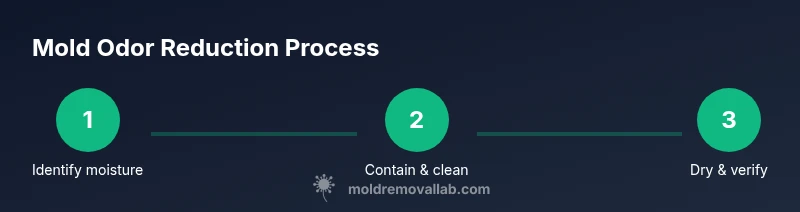
To get rid of mold smell in the house, start by identifying moisture sources and visible mold, then clean affected surfaces with non-toxic cleaners, improve airflow with vents and dehumidifiers, and maintain ongoing moisture control. If odors persist after remediation, address hidden mold behind walls or in HVAC with professional guidance.
Understanding the Source of the Smell
Mold odor is more than a simple nuisance—it signals microbial activity and moisture imbalances that promote hidden growth. Mold releases volatile organic compounds (MVOCs) that carry a musty scent, and those compounds can linger even after visible mold is cleaned. According to Mold Removal Lab, identifying the moisture drivers behind the odor is the first, most important step. environments with high humidity, condensation on cold surfaces, or leaks create ongoing conditions where MVOCs keep forming. The smell may point to a small amount of mold in an otherwise clean space, or to a larger hidden source tucked away in walls, under flooring, or inside HVAC ducts. By recognizing that odor is a symptom of moisture, homeowners can target remediation to the root cause rather than just masking the scent. The Mold Removal Lab team emphasizes that odor relief comes from both cleaning and moisture control, not from deodorizing alone.
Quick Assessments You Can Do (Identify Moisture & Mold)
Stop guessing and start testing. Look for visible mold growth around damp areas, but also inspect areas that stay damp without obvious growth. Check ceilings, basements, bathrooms, and the undersides of sinks for staining or peeling paint, which often accompany moisture intrusion. Run your hands over walls and wood for dampness, paying attention to dark corners where condensation collects. Measure indoor humidity with a moisture meter if available, and note readings that stay high after drying efforts. If you notice recurring damp spots after rainfall or seasonal changes, you likely have an ongoing moisture problem. Keep a simple log of moisture events (leaks, spills, flood damage) and correlate them with odor spikes to find the odor’s source. Mold Removal Lab’s analysis shows that quick, targeted assessment reduces needless cleaning and helps focus remediation where it matters most.
Immediate Actions to Improve Air Quality
Open windows where weather permits to introduce fresh air, and run exhaust fans to move humid air outdoors. Use a dehumidifier in damp spaces and route any condensate drain outdoors or into a sink. Close doors to seal the work area while cleaning, then rotate air with a fan positioned to blow air out of the room. If you own a central HVAC system, replace or clean filters, and consider temporarily increasing ventilation during the day. These steps lower moisture and reduce the production of MVOCs, resulting in a noticeable improvement in air quality within hours to days, depending on the season and the room size.
Safe Cleaning Methods that Address Odor
Use non-toxic cleaners on non-porous surfaces to remove residue that can trap odors. A solution of white vinegar can neutralize some odors on sealed surfaces, while baking soda helps absorb moisture and odors when sprinkled and left overnight. For stubborn spots, consider hydrogen peroxide (3%) on moldy areas that are not porous like metal or glass; never mix hydrogen peroxide with vinegar in the same container. After cleaning, wipe surfaces dry and re-check for dampness. Avoid bleach on porous materials (like drywall or wood) because it can damage the material and release more fumes. Instead, focus on mechanical removal of mold and the odor with thorough cleaning, followed by moisture reduction.
Dealing with Hidden Mold in Walls, HVAC, and Insulation
Hidden mold behind walls, under flooring, or inside HVAC ducts is a frequent source of persistent odors. If you hear musty smells when you run the HVAC, inspect the ducts with a flashlight for visible mold or condensation. In walls, small areas may be accessible via a clean-out or by cutting a small inspection hole to verify moisture and mold. For insulation or porous materials that have become moldy, removal and replacement are often necessary. When in doubt, moisture meters can help determine whether a wall cavity remains damp after remediation. The key is to address the moisture source first; cleaning without containment can spread spores and prolong odors. The Mold Removal Lab approach emphasizes containment, proper PPE, and a plan to dry out affected spaces to prevent regrowth.
Ventilation, Humidity Control, and Filtration
Ventilation is your best defense against recurring odors. Pair natural ventilation with mechanical filtration using a HEPA air purifier to capture mold spores and MVOCs. Keep the indoor humidity moderate; if your environment fluctuates with weather, an automated humidistat can help maintain comfortable levels. Regularly changing HVAC filters and cleaning intake vents prevents odor recirculation. Use desiccants in storage areas to keep moisture low, and consider sealing leaks to minimize new moisture intrusion. Together, these steps reduce odor production and support a healthier indoor environment.
When to Call a Pro and What to Expect
If you encounter large-scale mold growth, damaged structural materials, or odors persist after a complete DIY remediation, it’s time to involve a mold remediation professional. A pro can perform moisture mapping, identify hidden colonies, and safely remove contaminated materials using containment and specialized equipment. Expect a site assessment, a moisture plan, and a post-remediation verification to ensure odors are gone and the area is safe. Working with a qualified provider reduces health risks and long-term damage from moisture intrusion, and it may be more cost-effective than repeated DIY attempts in severe cases.
Preventing Mold Odors for the Long Term
Prevention hinges on managing moisture and airflow year-round. Maintain drying conditions after showers and leaks, repair roofing and plumbing promptly, and keep bathroom fans running long enough to clear moisture after showers. Regularly monitor problem areas like basements, crawl spaces, and laundry rooms for dampness. Use moisture barriers where appropriate and keep HVAC drains clear. A proactive maintenance routine, aligned with guidance from Mold Removal Lab, can dramatically reduce odor recurrence and keep indoor air smelling fresh.
Tools & Materials
- Moisture meter(IR or pin-type; check damp spots and moisture patterns)
- Dehumidifier(Operate in damp spaces; use continuous drain if available)
- HEPA vacuum(Vacuum dry dust and mold spores after cleaning)
- White vinegar(Undiluted for non-porous surfaces; mild odor expected)
- Baking soda(Odor absorption; sprinkle and vacuum after several hours)
- Hydrogen peroxide 3%(Use on non-porous surfaces; do not mix with vinegar)
- Spray bottle(For applying cleaners and disinfectants)
- Gloves(Protect skin during cleaning)
- N95 mask(Protect lungs from mold spores during cleanup)
- Microfiber cloths(Lint-free or microfiber for better cleaning)
- Plastic sheeting(Containment when disturbing moldy areas)
Steps
Estimated time: 60-120 minutes
- 1
Identify moisture sources
Walk the home to locate leaks, condensation points, and areas that stay damp. Document these spots with photos and note dates of moisture events. This step sets the remediation plan and prevents repeating odor-causing conditions.
Tip: Take moisture readings at the same spots after drying attempts to confirm improvement. - 2
Inspect potential mold colonies
Check typical trouble zones: behind sinks, under cabinets, basements, and inside walls near leaks. Do not disturb active mold larger than a few square feet; containment reduces spread and exposure.
Tip: Wear PPE and avoid scraping mold to minimize airborne particles. - 3
Ventilate the space
Open windows if weather allows and run exhaust fans to improve air movement. If you have a central system, use outside air intake options and direct airflow away from living areas.
Tip: Position a fan to push air out of the room for effective moisture removal. - 4
Remove moisture and dry surfaces
Turn on the dehumidifier and run fans to dry walls, floors, and cavities. Keep moisture readings low and ensure there is no standing water before cleaning.
Tip: Repeated drying cycles reduce the chance of regrowth. - 5
Clean with safe solutions
Apply vinegar to non-porous surfaces; sprinkle baking soda for odors; consider hydrogen peroxide for stubborn spots on non-porous materials. Do not mix cleaners and always test on a small area.
Tip: Never use bleach on porous materials; it can fail to remove odor and damage surfaces. - 6
Rinse and dry thoroughly
Wipe cleaned areas with a damp cloth and dry completely. Return humidity to normal levels only after the area feels dry to the touch and readings confirm drying.
Tip: Use a moisture meter to confirm drying before sealing off areas. - 7
Test and monitor for odors
After cleaning and drying, monitor the space for lingering odors over the next 1–2 weeks. If smells persist, reassess moisture sources or call in a professional.
Tip: Keep a log of odor symptoms to identify new moisture events early. - 8
Maintain prevention
Establish a routine for moisture control, filter HVAC regularly, and address leaks promptly. Long-term measures prevent odor recurrence and protect indoor air quality.
Tip: Set calendar reminders for monthly checks in high-risk areas.
FAQ
What causes mold smell in a house?
Mold odor is caused by moisture-driven microbial growth and MVOCs. Finding and fixing the moisture source is essential for lasting odor relief.
Mold odor comes from moisture and mold growth; fix the moisture and clean the area.
Is mold odor dangerous?
Odor itself is not necessarily dangerous, but the underlying mold can pose health risks. Treat odors as a sign to remove moisture and clean thoroughly.
The smell can signal hidden mold that could affect health; address it promptly.
How long does it take to remove a mold odor?
Removal time varies with contamination and moisture levels. A small issue may resolve in hours; larger problems could take days with thorough drying and cleanup.
It depends on how much mold and moisture is involved; some cases clear in days.
Can I remove mold odor without removing mold?
Odor reduction usually accompanies mold removal. If active mold remains, removing it is essential to eliminate the odor.
You’ll likely need to remove the mold to get rid of the odor for good.
When should I call a professional?
Call a professional if there is extensive growth, hidden mold behind walls, or odors persist after DIY remediation. A pro can map moisture and safely remediate.
If the odor stays after DIY cleaning or you see large growth, call a pro.
Are there safe products to use for odor?
Vinegar and baking soda are common, safe options for many surfaces. Some materials require alternative methods; always test a small area first.
Common products can help, but test first and avoid mixing cleaners.
Watch Video
The Essentials
- Identify and fix moisture to stop odor at the source.
- Use safe cleaners and proper ventilation to remove odors.
- Address hidden mold in walls or HVAC when odors persist.
- Control humidity to prevent future odor recurrence.
- Know when to call a professional for large or persistent problems.