How to Get Rid of Mold in a Mattress: A Practical Guide
Learn practical, non-toxic steps to remove mold from a mattress, dry it thoroughly, and prevent future growth. Expert guidance from Mold Removal Lab.


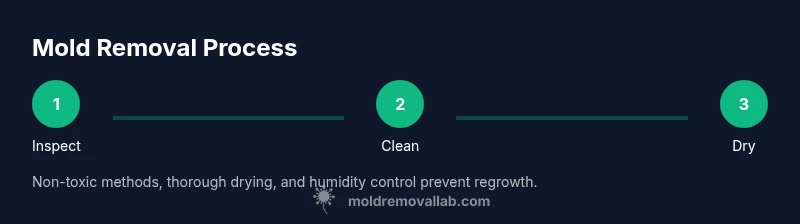
To get rid of mold in a mattress, strip the bedding, vacuum thoroughly, and treat the surface with a hydrogen-peroxide-based cleaner or baking-soda paste. Allow complete drying in fresh air or sun. For persistent spots or odors, repeat and consider professional assessment. Mold Removal Lab guidance: follow safe, non-toxic methods first.
What mold is and why it grows in mattresses
How to get rid of mold in a mattress begins with understanding what mold is and why it thrives in sleeping surfaces. Mold is a type of fungus that releases spores into the air and feeds on organic materials found in textiles and dust. In a humid bedroom, moisture from sweat, spills, or high ambient humidity can create the perfect conditions for mold to colonize the mattress core and cover. Over time, shallow growth can become a persistent problem, especially if the mattress is not dried thoroughly after cleaning or if it remains in a damp environment. Recognizing the signs early helps you stop mold before it affects your health or the mattress structure. This guide will outline practical, non-toxic steps to address mold and reduce the chance of regrowth.
Signs mold may be growing in your mattress
Mold growth on a mattress can start with musty odors, visible discoloration, or fuzzy growth on the fabric. You might notice dark or greenish spots under the sheets or along seams. Even if you cannot see mold, dampness and a persistent damp feeling in the bed area are red flags. If you or household members experience Allergy-like symptoms, coughing, or nasal irritation after sleeping, mold exposure could be a culprit. The goal is to confirm presence without overreacting; you can perform a visual check and rely on a careful cleaning process to verify whether the issue is surface-level or deeper inside the mattress layers. When in doubt, err on the side of caution and follow non-toxic remediation steps and humidity control.
Safe cleaning options that work for most mattresses
Non-toxic methods are preferred for homes with children or allergy-prone residents. Start with vacuuming with a HEPA-filter vacuum to remove loose dust and spores from the surface. Lightly mist the fabric with a 3% hydrogen peroxide solution and wipe with a clean cloth; the fizzing helps lift mold. Alternatively, make a baking soda paste with water and gently scrub affected areas. Avoid using abrasive brushes that could damage the mattress fabric. After treatment, blot dry with a clean cloth and leave the mattress to dry in a well-ventilated area or in direct sun if possible. Always test any cleaner on a hidden area first to prevent discoloration.
Treating stains and lingering odors without harsh chemicals
Mold can leave stains and a musty odor even after cleaning. Use baking soda as a deodorizer by sprinkling it over the surface and leaving it for several hours before vacuuming. For stubborn odors, consider a light mist of a mild enzyme-based cleaner that is safe for fabrics, following the product’s instructions. Do not mix cleaners or use bleach on fabric; bleach can damage fibers and leave a yellowed appearance. Always ventilate the room well and wear gloves during cleaning to reduce skin exposure to solution residues. If odors persist after repeated treatment, it may indicate deeper growth that requires professional assessment.
Drying strategies to prevent mold regrowth
Drying is the critical step to stop mold from returning. After any treatment, place the mattress in a sunlit area or a space with strong air circulation. If outdoor sun is not available, set up fans and a dehumidifier to reduce ambient moisture. Elevate the mattress slightly off the floor to improve airflow beneath and around it. Keep the room temperature moderate and the humidity below 50-60%. Avoid stored items around the bed that trap moisture. Check the mattress periodically over the next 24-48 hours to confirm it is thoroughly dry before putting the sheets back.
Aftercare and prevention to reduce future mold risk
Once the mattress is dry, protect it with a breathable, moisture-resistant cover designed for mold prevention. Wash bed linens in hot water to reduce spores and replace any damaged components in the room that generate humidity. Maintain steady ventilation by using exhaust fans during showers and keeping indoor humidity around 40-50% year-round. Regularly inspect seams and edges for signs of moisture and dampness, especially after spills or heavy use. If you live in a high-humidity climate, consider a dehumidifier or humidity monitor as part of your home health routine. These steps help minimize future mold growth and support ongoing comfort and safety.
note():null
Tools & Materials
- HEPA-filter vacuum cleaner(Remove dust and spores from mattress surface without recirculating particulate matter.)
- Spray bottle with 3% hydrogen peroxide(Test on hidden area first; avoid mixing with ammonia or bleach.)
- Baking soda(For deodorizing and absorbing moisture; can be used as a paste with water.)
- Soft brush or microfiber cloths(Gentle scrubbing to prevent fabric damage.)
- Sunlight or outdoor drying space(Direct sun helps dry and inhibits mold regrowth; if not available, use fans and a dehumidifier.)
- Protective gloves(Reduce skin exposure to cleaners and residues.)
- Mattress encasement cover (optional)(Breathable, mold-resistant cover can help prevent future growth.)
- Fan or dehumidifier(Aids quick drying and reduces ambient humidity.)
Steps
Estimated time: 12-24 hours
- 1
Prepare the mattress and space
Strip all bedding and remove pillows and sheets. Use a HEPA-filter vacuum to clean the surface, paying attention to seams and edges where dust and spores collect. This initial pass reduces incubation material for mold and prepares the surface for treatment.
Tip: Keep doors/windows open if possible to improve airflow while you work. - 2
Apply cleaning solution
Choose your primary cleaner: a light spray of 3% hydrogen peroxide or a baking-soda paste. Lightly mist or apply paste only to affected areas; avoid soaking the mattress core. Let the cleaner sit for 10-15 minutes to penetrate mold without saturating the fabric.
Tip: Do not mix cleaners; hydrogen peroxide works best on light-to-moderate mold deposits. - 3
Gently scrub and blot
Using a soft brush or microfiber cloth, gently scrub the treated areas in a circular motion. Blot with a clean, dry cloth to lift moisture and loosened mold fragments. Do not rub aggressively, which can push moisture deeper into the fibers.
Tip: Work from the outside in to prevent spreading spores. - 4
Deodorize and moisture-control
Sprinkle baking soda across the surface and let it sit for 6-12 hours to absorb residual moisture and odors. After the wait, vacuum the powder thoroughly to remove any loosened material and remaining spores.
Tip: Evenly distribute baking soda for even moisture absorption. - 5
Dry thoroughly
Move the mattress to a sunlit area or set up strong airflow using fans. If you must work indoors, use a dehumidifier to lower ambient humidity and keep windows open for ventilation. Ensure the mattress dries completely before reassembling bedding.
Tip: Total drying time will vary with room conditions; aim for complete dryness to prevent regrowth. - 6
Final check and coverage
Inspect for any lingering odor or discoloration. If mold recurs, repeat cleaning steps or consider professional remediation. If the mattress shows deep staining or structural damage, replacement may be the healthiest option.
Tip: Document results and maintain a moisture-control plan in the bedroom. - 7
Prevent future mold growth
Encase the mattress in a breathable, mold-resistant cover and maintain indoor humidity below 50%. Regularly air the room after showers and spills, and address any signs of dampness promptly.
Tip: A simple humidity monitor can prevent silent mold growth over time.
FAQ
Is it safe to sleep on a mattress with visible mold?
Visible mold on a mattress is a health risk, especially for allergy or asthma sufferers. If you’re unsure about the extent, perform a careful cleaning and drying, but monitor symptoms. If mold persists, replace the mattress and consult a professional.
Visible mold can affect health; clean and dry if small, but replace if it returns or you’re sensitive.
Can mold on a mattress be fully cleaned without replacement?
Surface mold can often be addressed, but growth within the foam or padding is harder to eradicate. If growth returns after cleaning, or if the odor persists, replacement is recommended.
You can remove surface mold, but persistent growth may require a new mattress.
When should I replace the mattress instead of cleaning?
If mold has penetrated deeply, causes ongoing odors, or the mattress structure is compromised, replacement is the safer option. A professional assessment can guide this decision.
If cleaning doesn’t resolve odor or signs of mold keep coming back, consider replacement.
What cleaners are safe for mold on fabric?
Non-toxic options like 3% hydrogen peroxide and baking soda pastes are generally safe for fabrics. Avoid bleach on most mattress fabrics and test any cleaner first.
Stick to non-toxic cleaners and test in a hidden spot first.
How long does it take to dry a cleaned mattress?
Drying time depends on room conditions, but expect several hours to a full day. Ensure the surface is completely dry before putting bedding back on.
Dry thoroughly, which can take several hours to a day depending on humidity.
Watch Video
The Essentials
- Act quickly while mold is manageable.
- Prioritize non-toxic cleaners and thorough drying.
- Ventilate rooms and control indoor humidity.
- Use a mattress cover to prevent future mold exposure.