How to Get Out Moldy Depths: A Step-by-Step Guide
Learn practical, safety-first steps to remove mold from deep, hard-to-reach areas. This Mold Removal Lab guide covers assessment, containment, cleaning, drying, and prevention to keep your home healthy.


Goal: safely remove mold from deep, hard-to-reach areas—behind walls, crawl spaces, or concealed voids. You’ll need protective gear, containment steps, moisture control, and a proven remediation sequence. This quick answer outlines a practical, safe path to get out moldy depths while reducing spread and preventing re-growth. Follow the steps in this article and use the included checklists to stay mindful of safety, ventilation, and proper disposal.
Understanding how to get out moldy depths
Hidden mold in deep cavities poses a unique challenge because odors, spores, and moisture can persist out of sight. How to get out moldy depths starts with recognizing where mold hides: behind drywall, under insulation, in crawl spaces, or inside wall cavities around leaks. According to Mold Removal Lab, addressing these depths requires a methodical approach that prioritizes safety, controlled access, and moisture management. Begin with a careful assessment using moisture meters and visual inspection, understanding that the root cause is often moisture intrusion rather than surface growth alone. This section lays the groundwork for a safe, effective remediation plan that minimizes disturbance to the living space and reduces the chance of recontamination. As you proceed, keep in mind that deep mold problems often involve hidden moisture sources that will drive future growth if not resolved. Mold Removal Lab emphasizes a cautious, iterative approach: identify, contain, clean, dry, and recheck. By starting with your deepest depths, you set a solid foundation for a long-lasting remediation outcome.
Assessing the Problem: Where Mold Lurks in Deep Depths
Deep mold thrives where moisture is persistent and access is limited. Common hiding places include behind baseboards, inside wall cavities around leaks, under flooring near plumbing, and within crawl spaces. This is why a thorough assessment is essential before any remediation work. Tools like moisture meters, infrared cameras, and careful visual inspection help reveal hidden growth. Based on Mold Removal Lab analysis, focus first on likely moisture sources: leaks, condensation, or high humidity in enclosed spaces. Document findings with photos, measure humidity levels, and plan access routes that minimize damage to finished areas. A precise assessment saves time and reduces the risk of spreading spores during cleaning. Remember, the goal is to map the problem as accurately as possible before disturbance begins.
Safety First: Gear, Containment, and Ventilation
Mold remediation in deep depths involves potential exposures that require strict safety discipline. PPE is non-negotiable: an N95 respirator (or better), protective goggles, gloves, and protective coveralls protect you from spores. Contain the work area using plastic sheeting taped to the walls and floors to prevent cross-contamination. Establish negative pressure if possible and use a HEPA-filtered vacuum for cleanup. Ventilation should be controlled to avoid blowing spores into occupied spaces. Always shut off dampness sources, fix leaks when safe to do so, and avoid mixing cleaners that can release harmful gases. This safety-first approach reduces risk to you and others in the home.
Step-By-Step Remediation Process
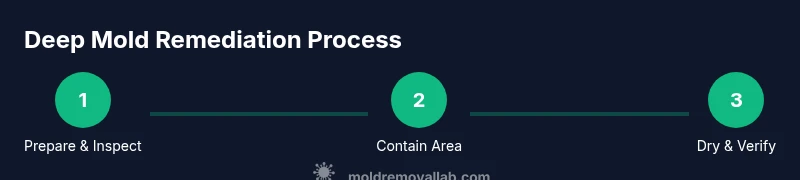
- Prepare the space: Remove fragile items, seal the area, and set up containment. This minimizes disturbance and keeps spores contained. Tip: label containment zones to avoid accidental breaches.
- Identify and fix moisture sources: Seek and repair leaks or condensate issues to stop ongoing mold growth. Tip: document any repairs for future monitoring.
- Remove contaminated materials: Porous items with mold (drywall, insulation) that cannot be cleaned should be removed and disposed of safely. Tip: seal bags before removing from the containment area.
- Clean non-porous surfaces: Scrub hard surfaces with detergent and a mold cleaner following product instructions. Avoid bleach as a sole solution on porous materials. Tip: work from top to bottom to prevent recontamination.
- Treat remaining residues: Apply a mold-inhibiting treatment to hard surfaces after cleaning. Tip: follow label directions for dwell time.
- Dry the space thoroughly: Use dehumidifiers and fans to bring relative humidity below 60%. Monitor progress with a moisture meter. Tip: run dehumidifiers continuously until readings stabilize.
- Re-check hidden areas: Inspect behind baseboards, inside cavities, and around plumbing for any remaining growth. Tip: remove a small test area to verify effectiveness.
- Restore and monitor: When remediation is complete, reinstall removed materials, repaint if needed with mold-resistant paints, and implement a humidity control plan. Tip: schedule seasonal checks to catch moisture early.
Drying, Monitoring, and Prevention of Regrowth
Post-remediation drying is critical. Mold can return if moisture remains. Run dehumidifiers and fans until RH remains under 60% for several days. Use moisture meters to verify that hidden cavities are dry. Prevent future growth by improving ventilation in suspect areas, repairing leaks promptly, and ensuring that humidity controls are appropriate for the climate. Consider installing vent fans in bathrooms and basements, and use air purifiers with HEPA filtration in living spaces where humidity is a chronic issue. Ongoing monitoring helps catch issues before they become visible colonies. Informed homeowners track humidity with inexpensive hygrometers and stay attentive to condensation patterns, especially in winter months. The key is persistent moisture management and proactive maintenance to ensure lasting results.
Authority Sources and Next Steps
For additional guidance, consult these authoritative sources:
- Centers for Disease Control and Prevention (CDC): https://www.cdc.gov/mold/default.htm
- Environmental Protection Agency (EPA) mold remediation guidelines: https://www.epa.gov/mold/mold-remediation-guidelines
- Occupational Safety and Health Administration (OSHA) mold safety resources: https://www.osha.gov/mold
The Mold Removal Lab Team recommends starting with a thorough assessment, then engaging in containment and safe cleaning practices. For larger or more complex mold problems, professional remediation may be necessary to ensure complete removal and safeguarding of occupants. This article provides practical steps, but each home is unique, and local regulations and codes should be followed.
Tools & Materials
- N95 respirator(Fit-tested preferred; replace if soiled or damaged)
- Goggles or safety glasses(Eye protection to prevent splash or spore exposure)
- Chemical-resistant gloves(Use neoprene or nitrile; double-gloving optional for extended work)
- Protective coveralls(Disposable or reusable; ensure full coverage)
- Plastic sheeting (6 mil)(Used to create containment barriers and doorways)
- Tape (duct or painter’s tape)(Seal gaps around containment areas securely)
- HEPA vacuum(For dry cleanup and debris removal; use with proper filter maintenance)
- Mold-killing cleaner(Follow label instructions; avoid products that create harmful fumes when mixed)
- Detergent/soap(General surface cleaning before mold-specific cleaners)
- Scrub brushes(Stiff-bristled for non-porous surfaces; disposable brushes for heavily contaminated areas)
- Dehumidifier(Keep area dry; place near the affected zone with proper drainage)
- Moisture meter(Critical for verifying drying and detecting hidden moisture)
- Plastic bags for disposal(Seal to contain moldy debris securely before removal from the site)
- Trash bags (heavy duty)(For contaminated materials and PPE after the job)
Steps
Estimated time: 4-8 hours
- 1
Prepare and inspect the work area
Clear the space and establish containment. Inspect the area for moisture sources and plan access points to minimize disturbance. Create a clear walk path and set up cameras or notes to record progress for accountability.
Tip: Label containment zones and keep a log of door openings to prevent cross-contamination. - 2
Seal and isolate the zone
Hang plastic sheeting to create a physical barrier between contaminated areas and occupied spaces. Use tape to seal edges and create a containment doorway if possible. Ensure negative pressure if equipment available to minimize spores escaping.
Tip: Test the seal by gently pressing on the barrier to ensure there are no gaps. - 3
Stop moisture intrusion
Identify leaks or condensation sources and perform safe repairs if accessible. If not, isolate the moisture source and plan a professional repair schedule. Dry, warm air can aggravate hidden moisture if not controlled.
Tip: Turn off running water or HVAC in the affected area only if safe. - 4
Remove non-salvageable materials
Carefully remove porous materials (drywall, drywall insulation, carpet pad) that are contaminated beyond cleaning. Place them in sealed bags and dispose of them according to local regulations.
Tip: Avoid tearing, which can release more spores; cut material neatly when possible. - 5
Clean and treat remaining surfaces
Wipe non-porous surfaces with detergent, then apply a mold-cleaning product following label directions. For porous surfaces, consider specialized remediation products or professional services.
Tip: Always work from top to bottom to minimize recontamination. - 6
Dry thoroughly and re-check moisture
Run dehumidifiers and fans to achieve RH below 60%. Use a moisture meter to confirm drying for hidden cavities. Re-check after a 24–48 hour period to ensure stability.
Tip: Keep doors closed and monitor humidity levels closely during the drying phase. - 7
Inspect hidden areas again
Open small access points to check behind walls, around plumbing, and under flooring. Look for new moisture signatures or mold regrowth and address immediately.
Tip: If you see new growth, pause, reassess moisture, and escalate remediation steps. - 8
Restore and maintain prevention
Replace removed materials with mold-resistant options, repaint with mold-inhibiting paint, and install ongoing humidity controls. Schedule regular inspections to catch issues early.
Tip: Install humidity monitors in problem zones for ongoing awareness.
FAQ
What are common signs of mold in deep depths?
Common signs include musty odors, hidden water damage, staining on walls, warped materials, and elevated humidity readings in enclosed spaces. Visual inspection combined with moisture measurements helps identify hidden colonies.
Look for a musty smell and damp spots behind walls or in crawl spaces; use a moisture meter to confirm elevated humidity in sealed areas.
Is it safe to DIY mold removal in deep depths?
DIY can be safe for small, isolated areas with low contamination. For larger, hidden, or porous mold growth, professional remediation is recommended to ensure thorough removal and health safety.
If the mold covers more than a small area or hides behind walls, consider contacting a professional for safety and thoroughness.
Should I use bleach to kill mold in deep depths?
Bleach can be effective for non-porous surfaces but is not ideal for porous materials. It may not reach mold inside porous substrates and can create moisture issues if not used properly.
Bleach isn’t always the best choice for porous materials; use a mold-specific cleaner and ensure proper ventilation.
How long does it take to dry after remediation?
Drying time depends on humidity, ventilation, and the extent of work. Typically, it may take several days to several weeks for all hidden areas to dry completely, with ongoing monitoring.
Drying can take days, and you should keep monitoring humidity to prevent a rebound.
When should I call a professional?
Call a professional if mold covers a large area, is growing behind walls, involves sewage contamination, or if you have health concerns. A pro can assess, contain, and remediate safely.
If the mold is extensive or you’re unsure about the risk, it’s best to call a mold remediation professional.
Watch Video
The Essentials
- Assess thoroughly before acting
- Contain to prevent spread of spores
- Dry completely to prevent regrowth
- Prioritize moisture control to stop recurrence
- When in doubt, seek professional remediation for deep or extensive mold