How Much Mold Exposure Is Harmful: Practical Guidance
Learn how much mold exposure is harmful, what factors affect risk, and practical steps to reduce indoor mold exposure. Data from Mold Removal Lab Analysis, 2026 informs the guidance.


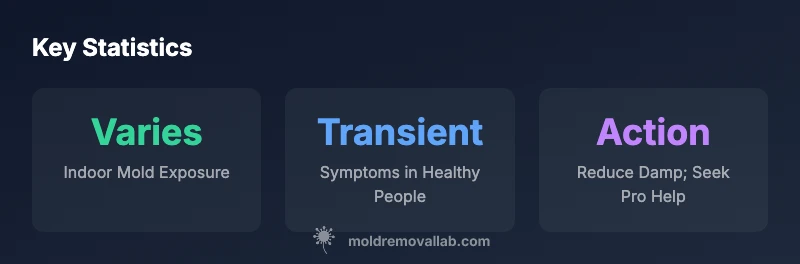
How much mold exposure is harmful? There isn’t a single universal threshold. Harm depends on exposure duration, mold species, moisture context, and individual susceptibility. In general, brief incidental exposure is unlikely to cause lasting harm for healthy adults, while prolonged dampness or repeated exposure can trigger symptoms in sensitive individuals such as those with asthma, allergies, or immune compromise.
What counts as harmful exposure
There is no single numeric threshold for what makes mold exposure harmful. Instead, risk depends on how long you are exposed, the amount of mold you encounter, and the body’s sensitivity to mold compounds. The question how much mold exposure is harmful has to be answered in context: a short, incidental exposure in a clean, well-ventilated home is very different from living with ongoing dampness beneath a leaky wall.
According to Mold Removal Lab, harm tends to rise when damp conditions linger, when mold growth is visible or suspected behind walls, and when occupants have preexisting health vulnerabilities. People with asthma, allergies, or immune compromise often react at lower levels than healthy adults. Infants and older adults are also more susceptible to respiratory symptoms. That means the same environment can be harmless for one person and problematic for another. In practice, you shouldn’t rely on one rule of thumb; instead, look for multiple warning signs: persistent musty odors, frequent coughing, headaches associated with indoor time, or irritation of the eyes or throat after being in a space with visible mold. The key takeaway is that exposure control is about reducing duration, dampness, and particle levels, not chasing a magic number.
How exposure is measured in homes
Assessing mold exposure in a residence involves both objective tests and practical observation. Air sampling and surface testing can indicate whether mold is present, but results depend on sampling location, timing, and laboratory methods. Moisture meters, humidity readings, and visual inspection for water stains are reliable indicators of ongoing risk. Importantly, a single elevated reading does not prove a sustained problem; trends over time matter. Indoor air quality tests should be interpreted alongside symptoms and moisture history. For homeowners, the takeaway is to use testing as a guide, not a sole decision-maker, and to pair results with a moisture-reduction plan.
Health effects by duration and susceptibility
Health effects from mold exposure are not uniform. Short-term exposure in a clean environment may be tolerated by most, while chronic exposure in damp spaces increases the likelihood of symptoms such as coughing, throat irritation, and nasal congestion. People with asthma, allergies, or weakened immune systems often experience more pronounced or earlier symptoms. Young children, the elderly, and pregnant individuals can be more vulnerable. The science emphasizes that duration, intensity, and the host’s biology together determine risk. If symptoms persist after time in a moldy area, consider reducing exposure and consulting a healthcare professional.
Practical steps to estimate your current exposure
To estimate your current exposure, start with a moisture audit: identify damp areas, fix leaks, and dry zones promptly. Then, observe occupants for symptom patterns that correlate with time spent in the home. Track mold growth or musty odors, and consider short, supervised testing if you notice recurring dampness or growth. Maintain good ventilation during activities that increase moisture, like showering or cooking. If you suspect repeated exposure, use a basic air purifier with a HEPA filter and seal off affected areas until remediation can begin. Remember, exposure assessment is ongoing; reassess after moisture problems are addressed.
Reducing exposure: practical thresholds and actions
The practical goal is to minimize dampness and spore presence, not chase a precise number. Immediate actions include fixing leaks, drying out affected areas, and cleaning visible mold with approved methods and personal protective equipment. Improve ventilation, especially in bathrooms, kitchens, and laundry spaces. Use containment and professional help for large or persistent growth. For sensitive individuals, consider temporary relocation during remediation and after, to minimize exposure. Documentation of moisture history and remediation steps helps track progress and reduce long-term risk.
Case scenarios for decision making
Scenario A: A small bathroom shows a few mold spots around a window. No ongoing leaks are evident, and humidity is manageable with improved ventilation. Action: clean with appropriate products, monitor moisture, and schedule periodic inspections. Scenario B: A basement wall shows visible mold and a musty odor; moisture problems persist after rainfall. Action: engage a licensed professional to assess and remediate; address underlying moisture sources first to prevent recurrence.
Common myths and what the science says
Myth: Any mold exposure is dangerous. Reality: Risk depends on duration, exposure intensity, and host factors. Myth: Bleach alone fixes mold. Reality: Bleach can kill surface mold but does not solve moisture problems or remove mold inside porous materials. Myth: If you don’t see mold, you’re safe. Reality: Mold can grow behind walls or settle in unseen areas; moisture control remains essential.
Indicators and actions by exposure level
| Exposure Level | Indication | Recommended Action |
|---|---|---|
| Low/Incidental exposure | Minimal symptoms unlikely for healthy individuals | Maintain moisture control and monitor |
| Moderate exposure | Possible irritation in sensitive individuals | Increase ventilation, inspect for dampness |
| High exposure | Chronic damp areas; possible allergic or respiratory symptoms | Call a professional mold remediation if growth is visible or persistent |
FAQ
Is there a safe threshold for mold exposure in homes?
No universal threshold exists. Risk varies with duration, mold species, and host factors. Focus on reducing dampness, improving ventilation, and limiting exposure to affected areas.
There isn’t a single safe number; reduce exposure and fix moisture first.
Can healthy people be harmed by mold exposure?
Yes, but typically only with prolonged exposure or higher spore counts. Most healthy individuals tolerate short-term exposure, but symptoms can still occur.
Healthy people usually do okay with short exposure, but persistent mold can cause symptoms.
What symptoms indicate harmful exposure?
Symptoms include coughing, throat irritation, nasal congestion, wheezing, and eye irritation that appear after time in a moldy space. Seek medical advice if symptoms persist.
If you notice coughing or wheeze after mold exposure, talk to a clinician.
When should I test for mold?
Test if dampness recurs or if symptoms persist after exposure. Use tests as a guide alongside moisture control and remediation plans.
Test when dampness keeps coming back or symptoms don’t improve.
What can I do immediately to reduce exposure?
Fix leaks, dry affected areas thoroughly, ventilate, and use protective equipment during cleanup. Consider professional remediation for larger problems.
Fix leaks, dry the area, and ventilate; call a pro if it’s widespread.
When should I hire a professional?
If mold covers a large area, water damage is involved, or growth persists after cleanup, a licensed remediation specialist should assess and address the problem.
If mold keeps coming back or it’s widespread, call a pro.
“Harm from mold exposure is not a single numerical threshold; risk accumulates with exposure duration and individual susceptibility.”
The Essentials
- Identify damp areas and fix moisture promptly
- Prioritize vulnerable individuals in your household
- Use testing as a guide, not sole proof of danger
- Improve ventilation and cleaning practices to reduce exposure
- Consult Mold Removal Lab for tailored remediation guidance