Getting Rid of Mold on Fabric: A Practical Guide for Homeowners
Learn practical, safe methods to remove mold from fabrics, upholstery, and clothing. Step-by-step guidance, safe cleaners, and prevention tips for homeowners and renters.


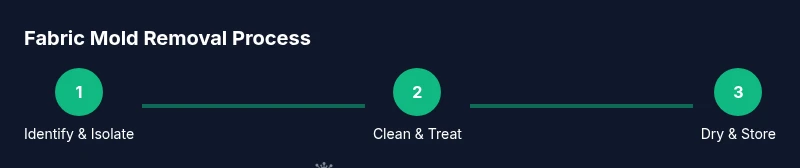
Getting rid of mold on fabric is achievable with a safe, step-by-step approach. This quick answer outlines what you’ll do: identify mold, prepare the area, apply a gentle cleaner, launder or wash, and dry thoroughly. According to Mold Removal Lab, quick action and complete drying reduce health risks.
Why mold on fabric is a problem
Getting rid of mold on fabric is not just about aesthetics; mold can cause allergic reactions, respiratory irritation, and can degrade fabric fibers over time. Left unaddressed, mold spores can spread to other textiles and linger in household air. Fabrics such as upholstery, clothing, curtains, and towels may harbor moisture pockets that feed mold growth. This section explains why immediate attention matters and how smaller mold colonies can become larger issues if ignored. According to Mold Removal Lab, rapid identification and containment help minimize exposure and prevent cross-contamination. Recognizing the signs—unusual musty odor, visible spots, and staining—lets you act before widespread damage occurs. Always factor in fabric care labels to choose an appropriate cleaning method that preserves color and texture while removing mold.
How mold commonly grows on textiles
Mold thrives where moisture meets warmth, and fabrics offer many micro-environments that support growth. Humidity behind upholstery, damp towels, and poorly dried laundry create ideal conditions for mold colonies to take hold. The material type matters: natural fibers like cotton and wool absorb moisture more readily, while synthetics may resist absorption but can still host mold on the surface. Detergent residues and body oils left on fabrics can also feed mold growth. In addition to visible patches, mold can hide in seams, folds, and under buttons or zippers. Recognizing these patterns helps you target cleaning more effectively and prevent re-growth after treatment.
Fabric types and mold sensitivity
Different fabrics react differently to mold-cleaning methods. Natural fibers such as cotton, linen, wool, and silk can be damaged by aggressive cleaners or high heat, while synthetic fabrics like polyester and nylon tend to tolerate stronger approaches but can trap odors. Delicate fabrics such as chiffon, satin, or lace may require professional care due to fiber sensitivity. Always test a hidden area for colorfastness before full application and follow fabric care labels. Understanding the fabric's heat tolerance, dye stability, and fiber structure guides you toward safe, effective mold removal.
Safe cleaning agents for fabric mold removal
Most mold on fabric responds to gentle, fabric-safe cleaners rather than harsh chemicals. Start with plain water and a mild detergent, then consider white vinegar for light mold on white or colorfast fabrics. Baking soda can help lift stains and neutralize odors when used as a paste or in wash water. For white cottons or colorfast fabrics, a diluted hydrogen peroxide solution may be useful, but never apply full-strength bleach to colored textiles, as it can cause color loss and fiber damage. Always pre-test a small area and rinse thoroughly.
Quick tests to confirm mold and stop spread
Before deep cleaning, confirm mold presence and assess how widespread it is. Visual inspection is essential, but a musty odor often signals unseen mold growth. A simple moisture check of the fabric’s environment helps identify ongoing moisture problems. If mold is recurrent after cleaning, re-check cleaning methods and drying conditions. This controlled approach reduces the chance of recontamination and keeps fabrics safer for people and pets.
Step-by-step protocol for washable fabrics
Washable fabrics allow a straightforward protocol. Start by isolating the item from other laundry to prevent cross-contamination. Rinse off loose spores with cold water before washing to reduce spread. Apply a mild detergent and a mold-targeted cleaner if colorfast; for whites or colorfast fabrics, consider a diluted hydrogen peroxide rinse. Run a wash on the highest temperature allowed by the care label, and add a second rinse to remove all residues. Dry either in sunlight or in a dryer on the appropriate heat setting. Inspect for residual mold and repeat if necessary. Pro tip: a pre-soak can help loosen stubborn spores before washing.
Step-by-step protocol for non-washable fabrics
Non-washable fabrics such as upholstery, leather, or wool coats require careful handling. Step 1: contain the item and gently remove loose spores with a vacuum attached to a HEPA filter, keeping the nozzle above the surface. Step 2: test colorfastness on an inconspicuous area. Step 3: spot-clean using a damp cloth with a mild detergent, avoiding soaking. Step 4: apply a fabric-safe mold cleaner or use steam cleaning to kill spores, following manufacturer instructions. Step 5: dry thoroughly in a well-ventilated space, avoiding high heat on delicate materials. Step 6: consider professional cleaning for porous materials or persistent growth.
Drying and storage to prevent recurrence
Moisture control is key to preventing mold return. After cleaning, dry fabrics in a well-ventilated area, preferably in sunlight or with a dehumidifier running. Ensure items are completely dry before returning to storage, and store in breathable containers or bags to avoid trapping moisture. Use moisture absorbers or silica gel in closets to minimize humidity. Regularly re-check fabrics in damp seasons and re-launder or re-clean as needed to maintain mold-free textiles.
When to seek professional help and disposal guidelines
If mold covers a large area, deeply penetrates porous fabrics, or shows persistent growth after repeated cleaning, seek professional remediation. Porous textiles like upholstery padding may need disposal if mold spores have invaded the material core. Always follow local waste guidelines for disposing mold-contaminated items, and keep contaminated items sealed in plastic bags during handling to limit spread. For stubborn cases, a professional mold remediation service can assess and recommend safe, effective options.
Tools & Materials
- Nitrile or latex-free gloves(Protects hands from mold and cleaners)
- N95 respirator or equivalent(Filters mold spores; prevents inhalation)
- Ventilated workspace or open windows(Reduces inhalation risk)
- Soft-bristled brush or sponge(Gently dislodges spores)
- Mild detergent or laundry soap(Base cleaner for fabrics)
- White vinegar (5% acetic acid)(Natural cleaner; colorfast fabrics only)
- Baking soda(Odor control and gentle cleaning aid)
- Hydrogen peroxide 3%(Use only on colorfast fabrics; test first)
- Liquid laundry booster or stain remover(Optional stain treatment)
- Washer and dryer or sun-drying space(Depends on fabric care label)
- Plastic bags or sealed container(Contain moldy items during disposal)
Steps
Estimated time: 60-120 minutes plus drying time
- 1
Prepare the space and safety gear
Set up a well-ventilated work area. Put on gloves and a respirator, and gather your tools. Clear surfaces and protect nearby fabrics from contamination.
Tip: Ventilation is key to preventing mold spores from spreading. - 2
Isolate the fabric item
Remove the item from other laundry or textiles to avoid cross-contamination. Place the item in a contained area or plastic bag until you start cleaning.
Tip: Containment reduces the risk of mold spreading to other items. - 3
Initial surface cleaning
Gently brush or sponge the fabric to remove loose spores. Rinse with cold water to minimize heat endurance of mold spores.
Tip: Avoid aggressive scrubbing that can embed spores deeper. - 4
Apply gentle cleaner
Create a solution of mild detergent with water; add a small amount of white vinegar if appropriate. Apply to stained areas and let sit briefly.
Tip: Do a colorfast test before applying cleaner broadly. - 5
Wash or launder (washables)
Launder according to fabric care label using the hottest water recommended. Use an extra rinse to ensure removal of residues.
Tip: Do not exceed recommended temperatures to avoid damage. - 6
Non-washable fabrics handling
For upholstery or delicate fabrics, use a damp cloth with mild detergent or steam cleaner following manufacturer instructions. Do not soak deeply.
Tip: Check colorfastness first and avoid saturating the fabric. - 7
Dry thoroughly
Dry fabrics completely in a well-ventilated area or sun-dry if fabric allows. Ensure no moisture remains in seams or folds.
Tip: Mold loves lingering moisture; ensure dryness. - 8
Inspect and repeat if needed
After drying, inspect for remaining mold spots or odor. Repeat wash or cleaning steps if necessary.
Tip: Persistent odor may indicate unseen growth; address promptly. - 9
Storage and monitoring
Store in a dry, breathable environment. Use moisture absorbers in closets and regularly check fabrics for dampness.
Tip: Prevention is easier than remediation.
FAQ
Can mold return after cleaning fabrics?
Yes. If moisture remains or cleaning was incomplete, mold can return. Always ensure thorough drying and monitor humidity levels in the cleaning area.
Yes—mold can return if moisture remains; ensure fabrics dry completely and control humidity.
Is bleach safe to use on moldy fabric?
Bleach may cause color fading and fiber damage on colored fabrics. It’s generally avoided for stained or colored textiles; use color-safe cleaners or hydrogen peroxide on appropriate fabrics.
Bleach can damage many fabrics and colors; use with caution and follow care labels.
Can I dry moldy fabric outside in the sun?
Sunlight can help kill some mold but may fade colors or degrade fibers. Use sun-drying only if the fabric care label permits and monitor closely.
Sun can help, but check care labels first and watch for fading.
Which fabrics are hardest to clean for mold?
Delicate fabrics like silk, satin, or leather, and porous items with insulation, are harder to clean and may require professional care or disposal.
Delicates and porous items often need professional care.
What should I do with moldy upholstery?
Moldy upholstery may require professional cleaning or disposal if growth is extensive. Vacuum with a HEPA filter and consider steam cleaning according to manufacturer instructions.
Upholstery with mold may need professionals; vacuum with a HEPA filter and safely clean.
When should I discard mold-contaminated fabrics?
If mold penetrates deeply or recurs after cleaning, or the item is porous with pads or foam, disposal may be the safest option following local guidelines.
Disposal may be best for heavily contaminated or persistent mold.
Watch Video
The Essentials
- Act quickly to prevent mold spread on textiles.
- Use gentle cleaners and thorough drying to protect fabric fibers.
- Wash washable fabrics and safely treat non-washables with care.
- Inspect items after cleaning for residual mold before storage.
- The Mold Removal Lab team recommends following these steps for safe fabric remediation.