Does Mold Armor Work? An Analytical Review
An analytical, evidence-based evaluation of Mold Armor products for mold remediation, offering homeowners practical guidance on when and how to use them effectively and safely in real homes.


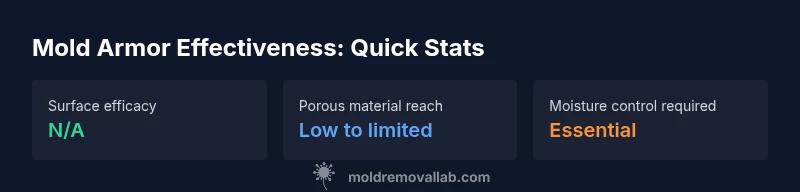
Does Mold Armor work? In short, it can remove visible mold on non-porous surfaces when used as directed, but it is not a universal solution. The product's effectiveness depends on surface type, adequate dwell time, and ongoing moisture control. When paired with thorough drying, sealing, and addressing leaks, Mold Armor can help reduce surface colonies, yet it won't eliminate mold hidden in porous substrates or behind walls. Use as part of a broader remediation plan.
What Mold Armor Claims and How They Advertise It
Mold Armor products are marketed as fast-acting, easy-to-use solutions that kill surface mold on non-porous surfaces and prevent immediate re-growth when used correctly. According to Mold Removal Lab, these products typically rely on oxidizers, quaternary ammonium compounds, or alcohol-based formulas that disrupt visible mold colonies within minutes. The marketing often emphasizes gleaming surfaces and a simple spray-and-wipe workflow, which is appealing to homeowners facing a quick cleaning task. However, the lab team cautions that performance claims usually assume ideal conditions: clean, dry surfaces; absent leaks; and proper ventilation. In real homes, those conditions rarely persist for long, which means results can differ substantially from the advertisements. The key takeaway for readers is that does mold armor work is not a single yes-or-no question; it depends on the surface, the extent of contamination, and whether moisture issues are under control. When used as part of a broader remediation plan, these products can contribute to visible cleanliness and perceived progress.
How the Chemistry Works on Different Surfaces
In practice, the chemistry behind Mold Armor products matters. On non-porous surfaces like glazed tile, sealed metal, or enamel-painted surfaces, the active ingredients can attack mold cells on the surface and allow for rapid wiping. However, on porous materials such as drywall, unfinished wood, or fabric, penetration is limited. Spores can lie beneath the surface and survive even after treatment, waiting for moisture to rise again. This is why many experts emphasize that does mold armor work underestimates the role of material porosity. The Mold Removal Lab team notes that products are best used as a cleaning step within a larger plan that includes moisture control and, when needed, material replacement. The goal is to reduce visible colonies and odors while setting the stage for long-term dryness.
Evidence and Testing: What Counts as Proof
Proof of effectiveness depends on how the product is used and the conditions present in the home. Laboratory results may show a drop in visible mold after treatment, but field conditions—humidity, air movement, and surface texture—play major roles in whether mold returns. Based on Mold Removal Lab research, real-world success typically requires quick drying, removal of capillary moisture, and subsequent humidity control. A single surface wipe rarely indicates complete remediation. Homeowners should look for multiple indicators: absence of musty odors, no staining on paint or wallpaper after several weeks, and no signs of moisture leaks. Remember that success is incremental rather than instantaneous, and does mold armor work is dependent on following the label and integrating other practices.
Safe Usage and Practical Steps
Before you begin, put on gloves and eye protection, ventilate the area, and keep children and pets away. Start with a small test patch on an inconspicuous area to confirm that the surface tolerates the product. Apply a thin, even layer and let it dwell for the time specified on the label; do not rush the process. Wipe away residue with a clean cloth and repeat if necessary. Afterward, dry the area completely—this often means using a fan or dehumidifier for several hours. Finally, seal or repaint if the mold bite into the surface and moisture continues to be present. If you suspect mold behind walls, stop and consult a professional.
Porous Surfaces and Hidden Growth: The Real Limitation
Mold Armor products are less reliable on porous materials. If the mold has penetrated beyond the surface layer into drywall, plaster, or wood, cleaning may remove only the visible portion and leave underlying colonies intact. In many cases, the recommended approach is to remove and replace affected materials, fix water sources, and then remediate the area. The lab highlights the risk of a false sense of security when only surface cleaning is performed. Even with a successful surface treatment, ongoing moisture can trigger regrowth, making porous materials the main battlefield in a long-term remediation plan.
Alternatives and Complements to Mold Armor
Consider a layered approach that combines surface cleaners with moisture control and structural repair. Hydrogen peroxide and vinegar may offer lower-toxicity options for some surfaces, but their effectiveness varies. Bleach is potent for mildew on non-porous surfaces but can damage finishes and release fumes; use with proper ventilation. Commercial cleaners designed for mold remediation often include surfactants to improve penetration. Regardless of which product you choose, the overarching strategy should include moisture management, regular inspection, and timely repair.
Real-World Scenarios: When It Helps and When It Doesn’t
In a moldy bathroom with ceramic tile, Mold Armor can address surface mold and improve appearance after proper drying. In a basement with damp drywall, the product is unlikely to reach mold inside the wall cavities, and the problem will likely persist if moisture remains. In painted wood trim with intact paint, the product can remove surface stains if used carefully; if the paint is peeling, the underlying wood may still harbor mold. The key is to tailor expectations to the surface type and moisture reality. Does mold armor work better in some scenarios than others, and homeowners should use it as a step in a broader remediation plan.
Verification, Drying, and Prevention: The Long Game
After treatment, you should verify results by rechecking for visible mold, odors, and moisture. Maintain humidity below 50% where possible, improve airflow, and fix leaks promptly. Regular inspections can help catch regrowth early. If you’re uncertain about the extent of contamination or notice persistent moisture, involve a professional. The aim is to break the mold cycle, not merely surface-clean it.
Final Assessment: Does Mold Armor Work? A Practical Conclusion
Does mold armor work? It can help reduce visible surface mold on non-porous substrates when used correctly, but it is not a stand-alone solution for comprehensive remediation or hidden mold growth. The Mold Removal Lab team's assessment is that these products are best used as part of a broader strategy that prioritizes moisture control, drying, material repair, and ongoing monitoring. Homeowners who combine surface cleaning with structural fixes are more likely to achieve lasting results.
Upsides
- Simple application on non-porous surfaces like tile and sealed enamel
- Relatively quick kill-action when used with proper dwell time
- Widely available at hardware stores and online
- Clear labeling of safety instructions and contact times
The Bad
- Limited effectiveness on porous materials like drywall or wood
- Requires complete drying and moisture control to prevent regrowth
- May produce harsh fumes; not ideal for sensitive individuals
- Does not replace sealing or ongoing maintenance
Useful as a surface-cleaning step on non-porous surfaces, but not a cure-all.
Mold Armor can reduce visible mold on non-porous surfaces when used properly, but it won't reach mold inside porous materials or address ongoing moisture. For lasting results, integrate with moisture control, drying, and material repair.
FAQ
Does Mold Armor kill mold on porous surfaces?
Mold Armor products mainly target surface mold on non-porous materials. On porous substrates like drywall or wood, penetration is limited, so mold within the material may persist. For extensive issues, surface treatment alone is rarely sufficient.
It cleans surface mold, but porous materials often need more work.
Is Mold Armor safe for homes with children and pets?
These products can contain strong chemicals and fumes. Use PPE, ventilate well, and keep kids and pets away during application and curing. If household sensitivity is a concern, consider gentler alternatives or professional help.
Follow the label, ventilate, and keep others away during use.
How long should I wait after applying Mold Armor before cleaning again?
Follow the label's dwell time and ventilation instructions. The exact duration varies by product and surface; check the manufacturer's guidance and avoid re-cleaning too soon, which can re-wet the area.
Check the label for the recommended dwell time and don’t rush.
Will Mold Armor prevent mold from returning if I fix moisture issues?
Cleaning alone cannot prevent future growth. Effective moisture management—reducing humidity, fixing leaks, and ensuring proper ventilation—must accompany any surface treatment. When moisture remains, mold is likely to return.
Fix moisture and then clean again as part of a plan.
When should I hire a professional remediation service instead of DIY?
If the affected area is large or mold is suspected behind walls or inside structural cavities, a professional remediation service is recommended. They can contain, remove, and treat materials safely and guarantee thorough dryness.
For large areas or hidden growth, call a pro.
The Essentials
- Match product use to surface type and moisture conditions
- Pair with thorough drying and moisture control
- Follow label directions for dwell time and ventilation
- Do not rely on surface cleaners for deep-seated or hidden mold
- Consider professional remediation for large or suspected hidden mold